The SLELO region is part of an exciting pilot study that is investigating combining short-term systemic insecticides and long-term biological control to help preserve ash resources in black and green ash forests.

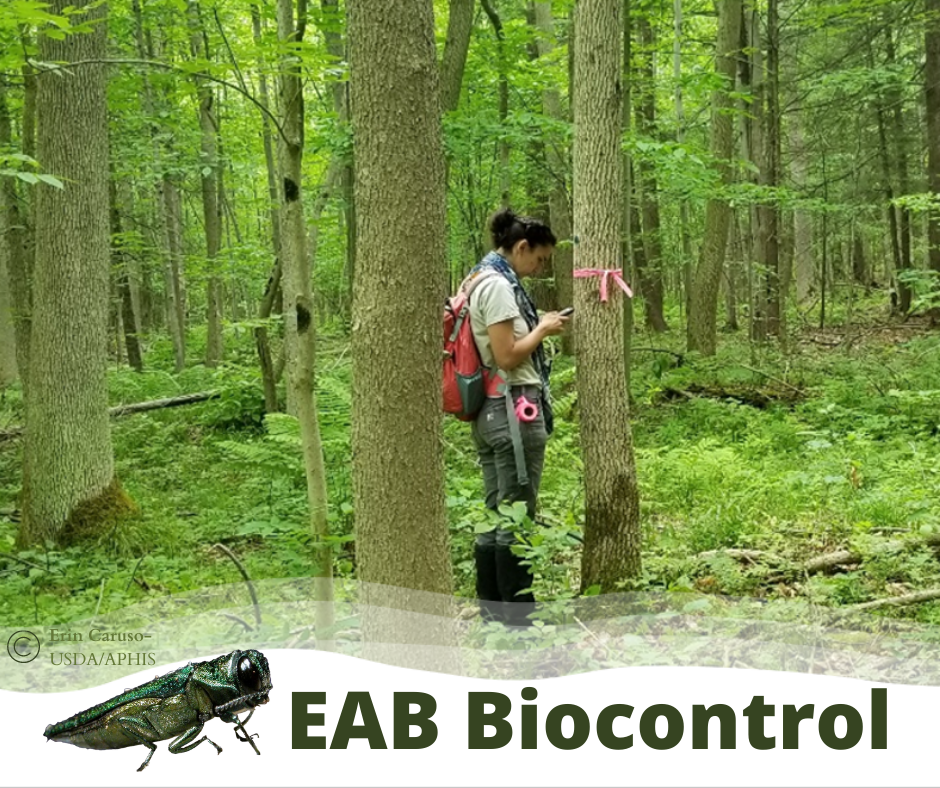
Emerald Ash Borer Biocontrol
March 2, 2021
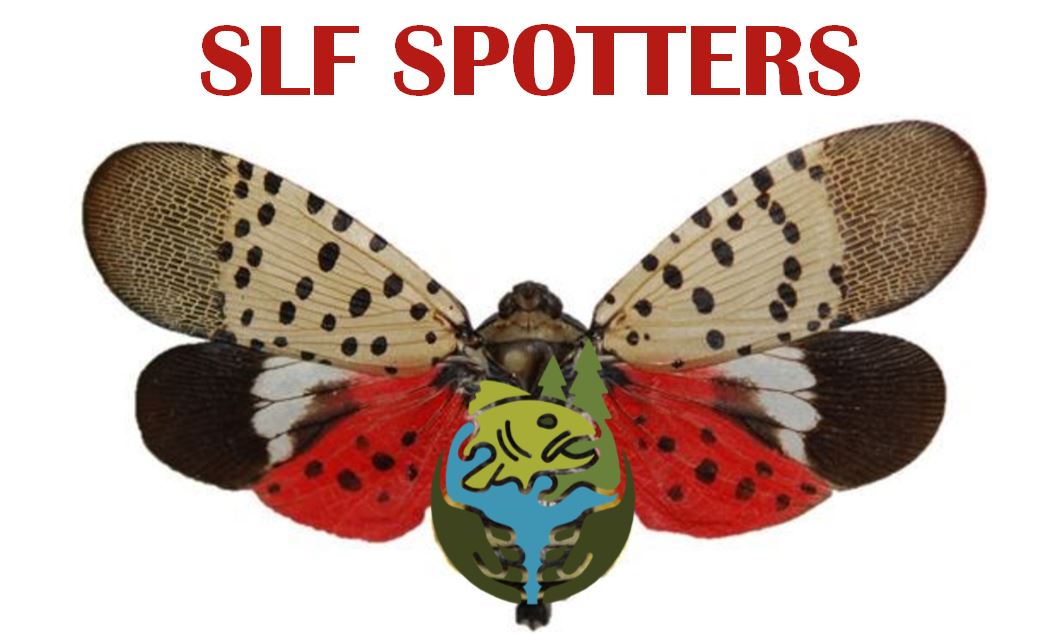
Spotted Lanternfly In New York- Now What?
February 17, 2021
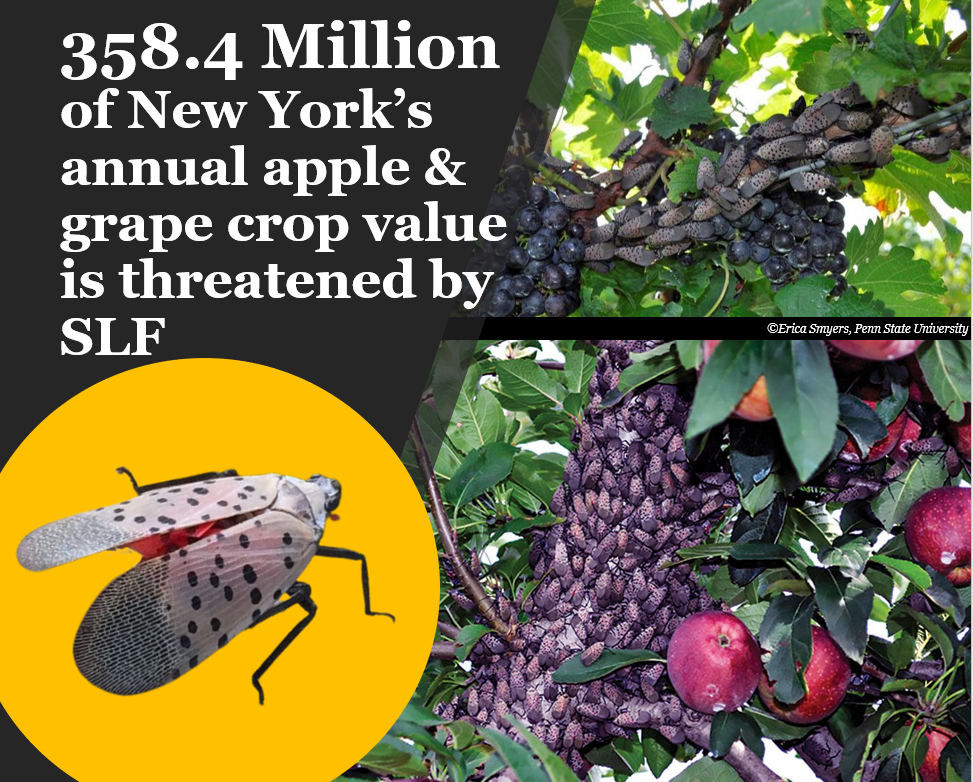
Spotted lanternfly feeds on nearly 70 different plant species including apple and grapes. Being that New York is the second largest apple producer and third largest grape producer in the US the state stands to loose $358.4 million in annual crop yields.
Aquatic Restoration Initiative Phase 1 Assessment Complete
February 16, 2021
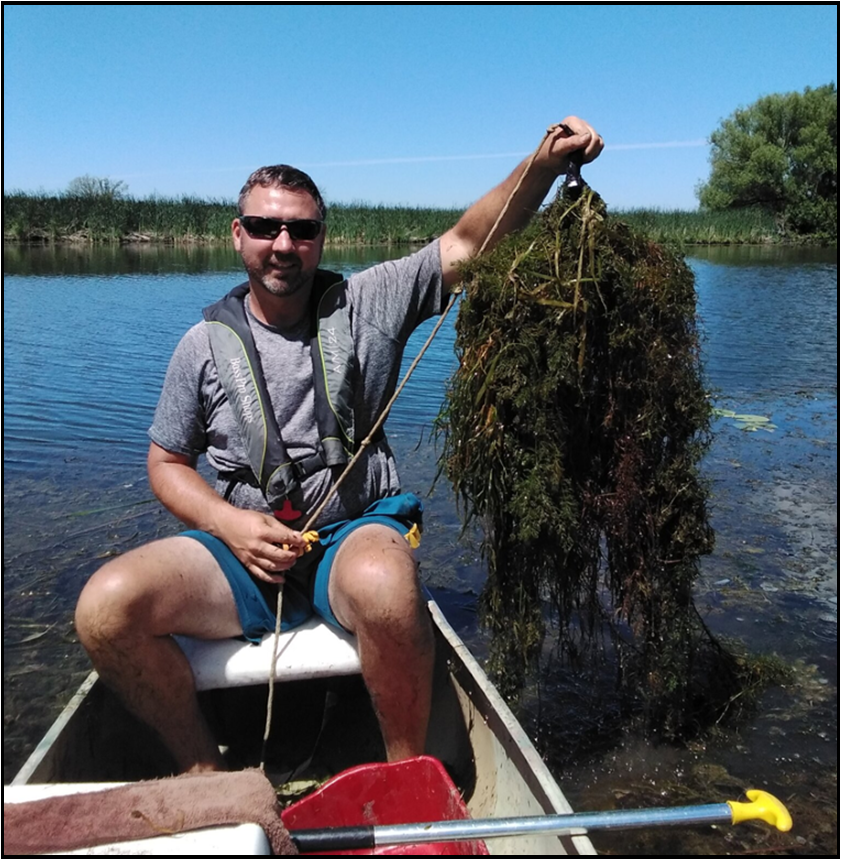
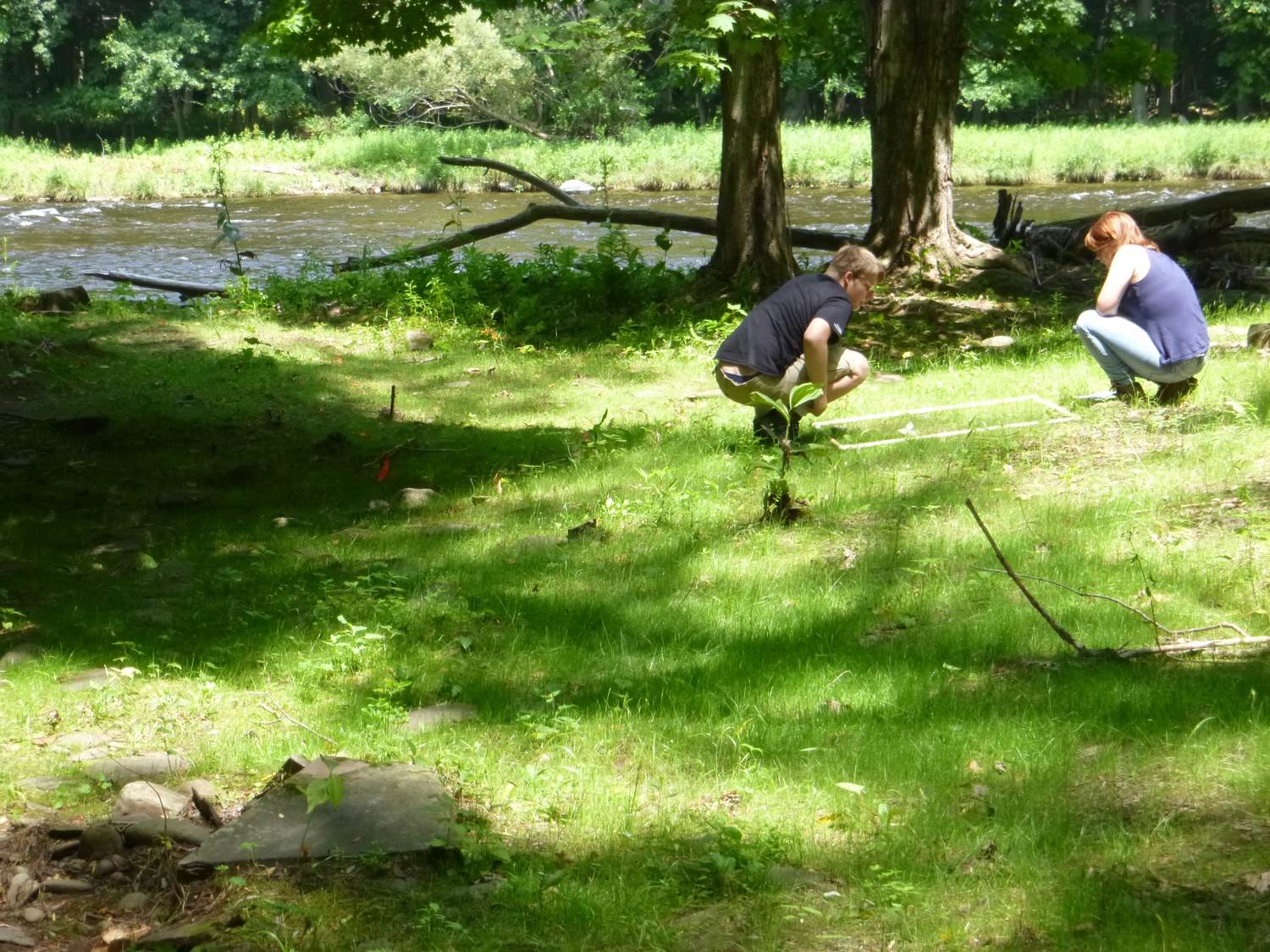
The first phase of this initiative, “Aquatic and Riparian Invasive Species Inventory and Habitat Assessment,” focused on three select tributaries in Eastern Lake Ontario—Sandy Creek, South Sandy Creek and Deer […]

Volunteer with Us
January 20, 2021
Do you have some extra time on your hands and want to do something that will help out but is also safe during COVID? You can help enhance invasive species outreach efforts from the comfort of your phone!


2020 SLELO Annual Report
January 12, 2021
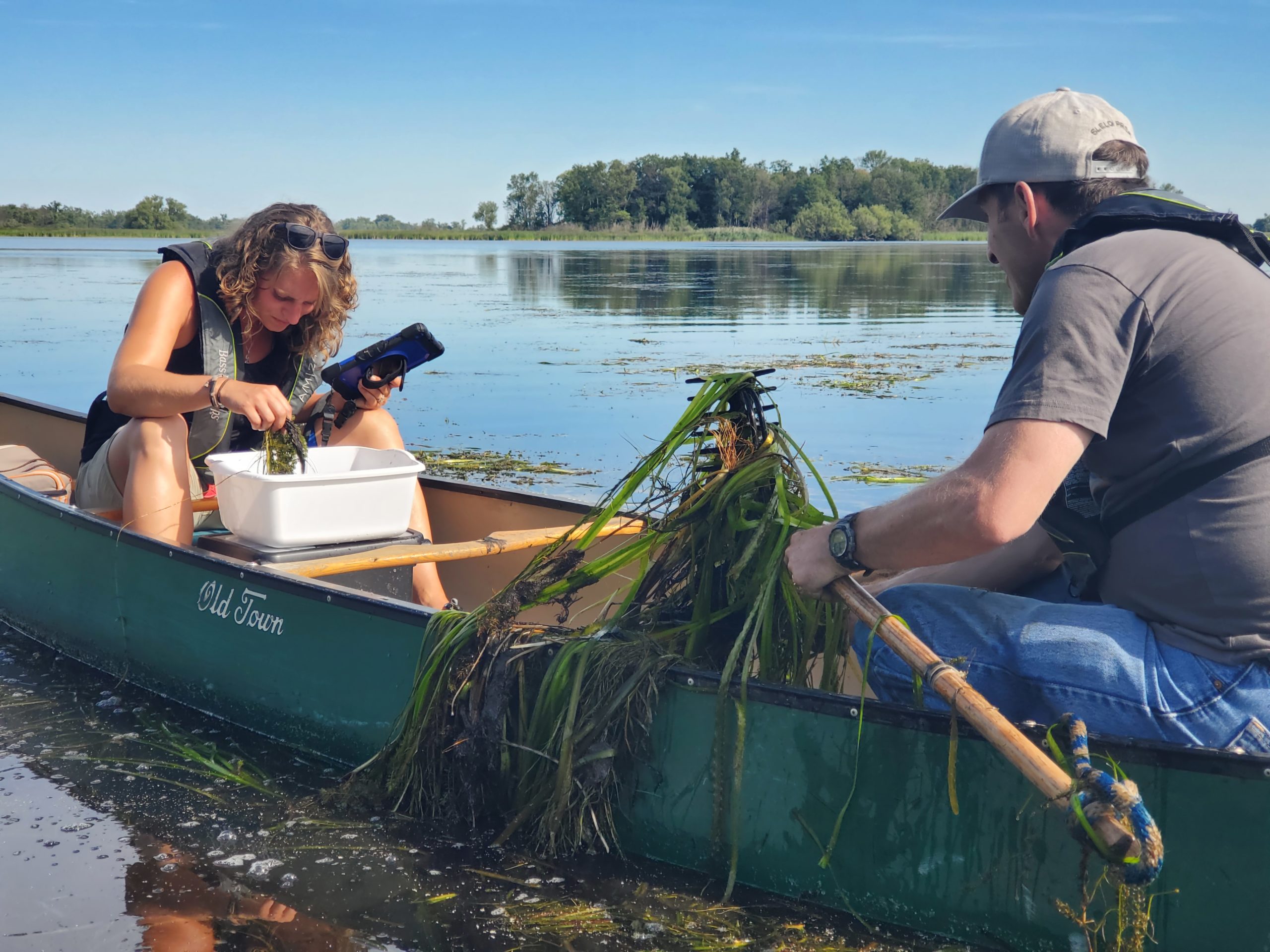
Although 2020 was a challenging year for all of us, the SLELO Partnership was able to accomplish quite a bit. We assisted with restoration efforts on Tug Hill by planting […]

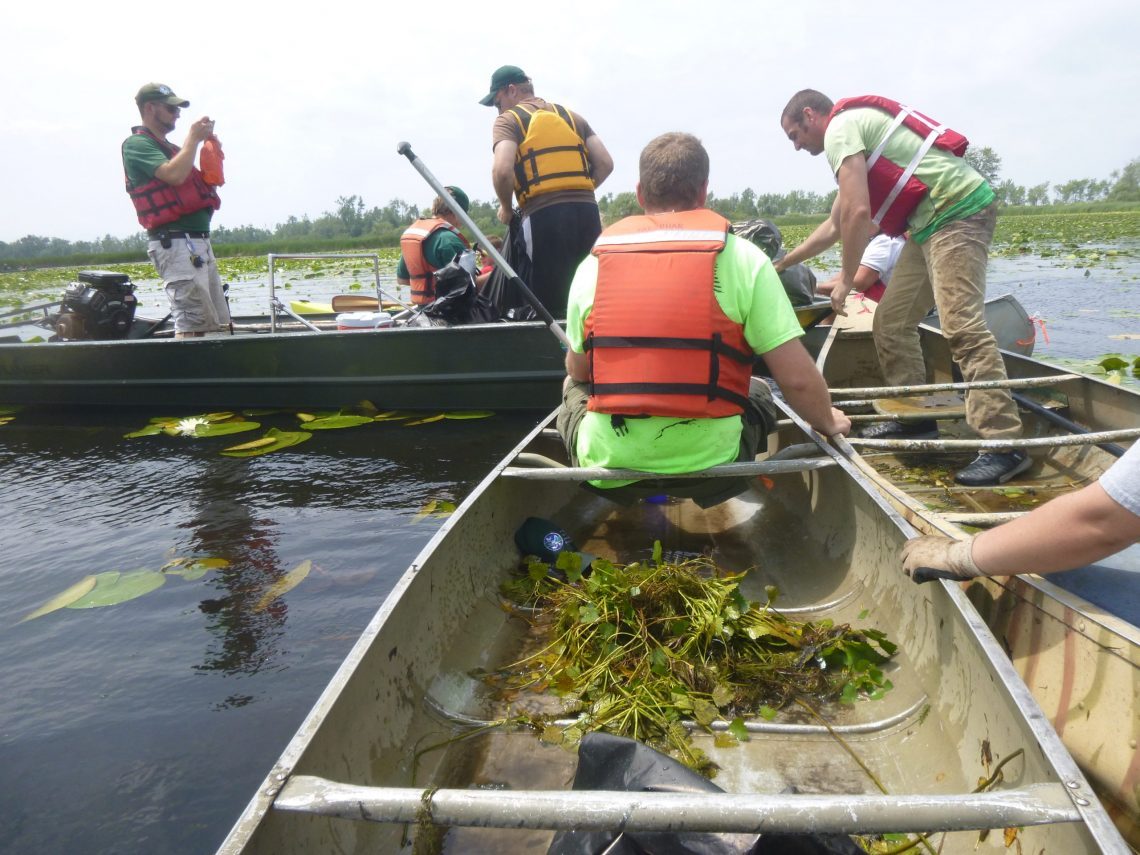
2020 Watercraft Inspection Program Results
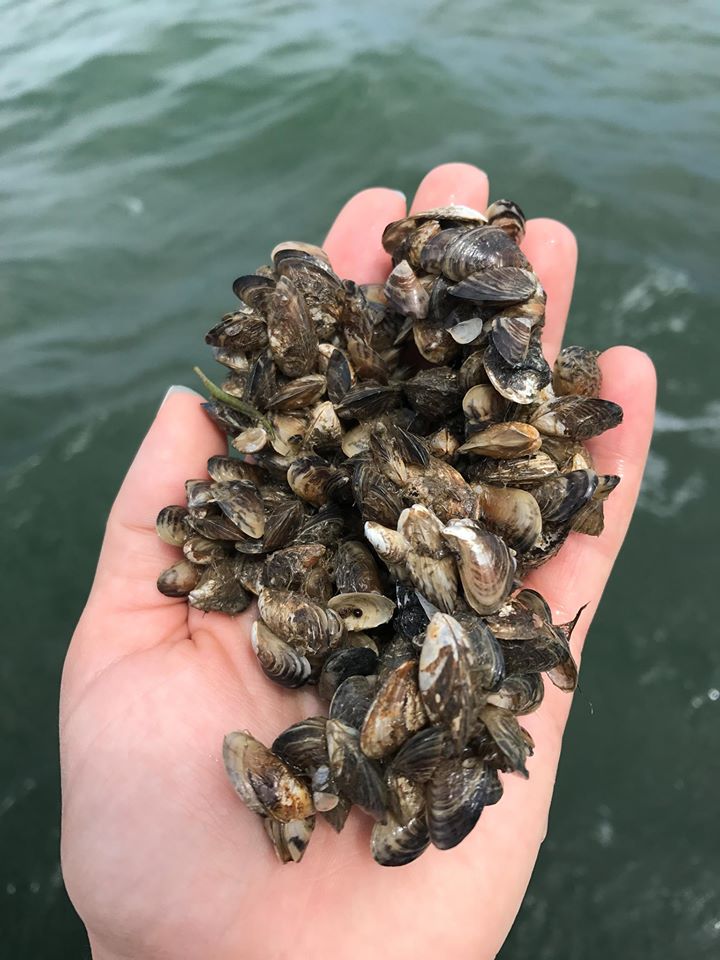
During 2020, 10 Watercraft Inspection Stewards were stationed at nearly 30 launches, inspected 12,455 watercrafts, and prevented 2,222 species from being spread.




By the Numbers
December 14, 2020
Despite unique challenges, we have had a very productive year and would like to express our appreciation to our partners.
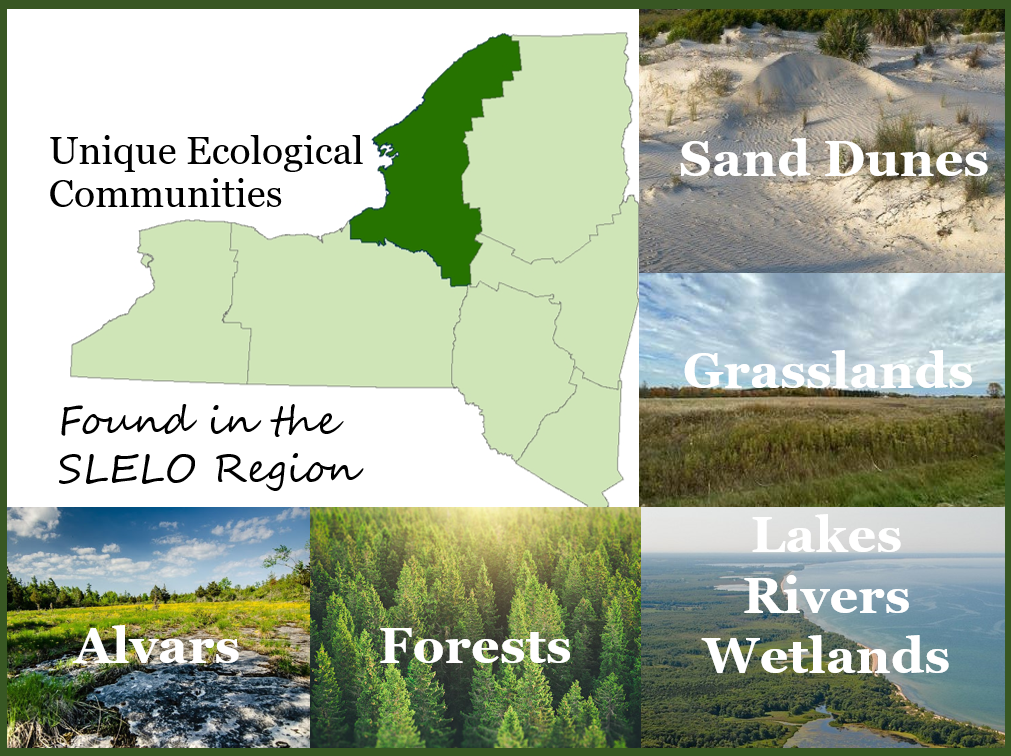
Unique Ecological Communities in SLELO
November 23, 2020
Alvar communities, freshwater dunes, lush forests, flowing rivers, and vast lakes make the St. Lawrence Eastern Lake Ontario region special.

Protecting Connected Landscapes
November 10, 2020
Connected landscapes are critical to sustaining diversity and resiliency in a changing climate.
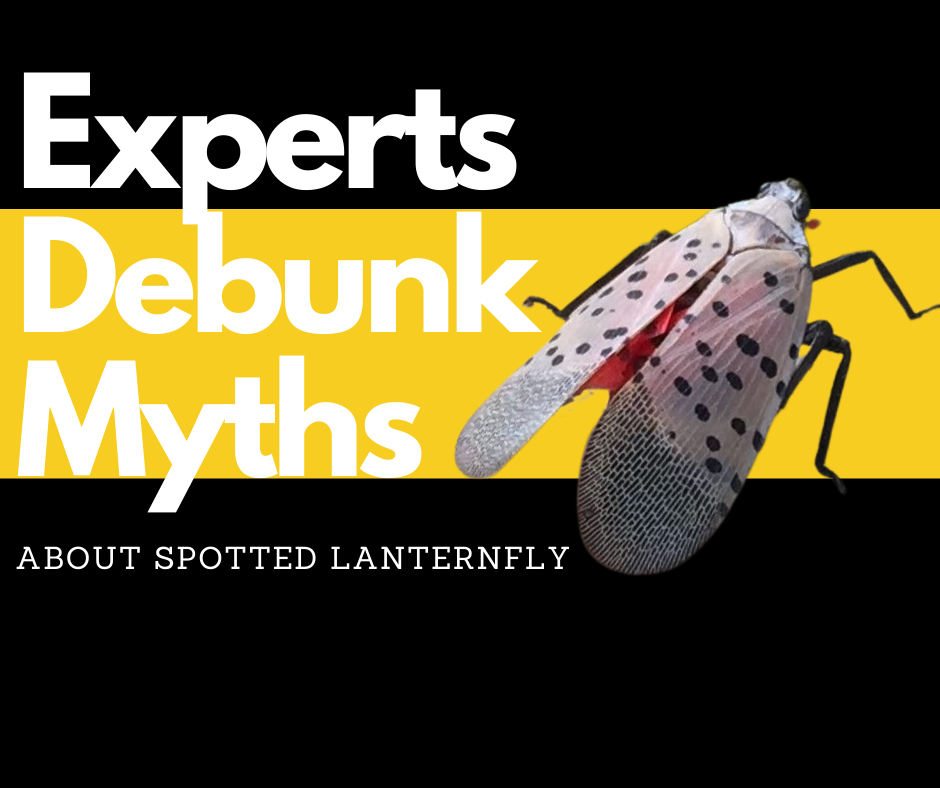
Experts Debunk Myths About Spotted Lanternfly
November 1, 2020
Have you ever heard the myth that the spotted lanternfly can glow? Learn the truth about this and other myths from the experts from Penn State’s College of Agricultural Sciences.