View funding and job opportunities that apply to our region.

Funding and Job Opportunities
June 28, 2026

Protect What You Love: Volunteer with SLELO PRISM This Summer
May 28, 2026
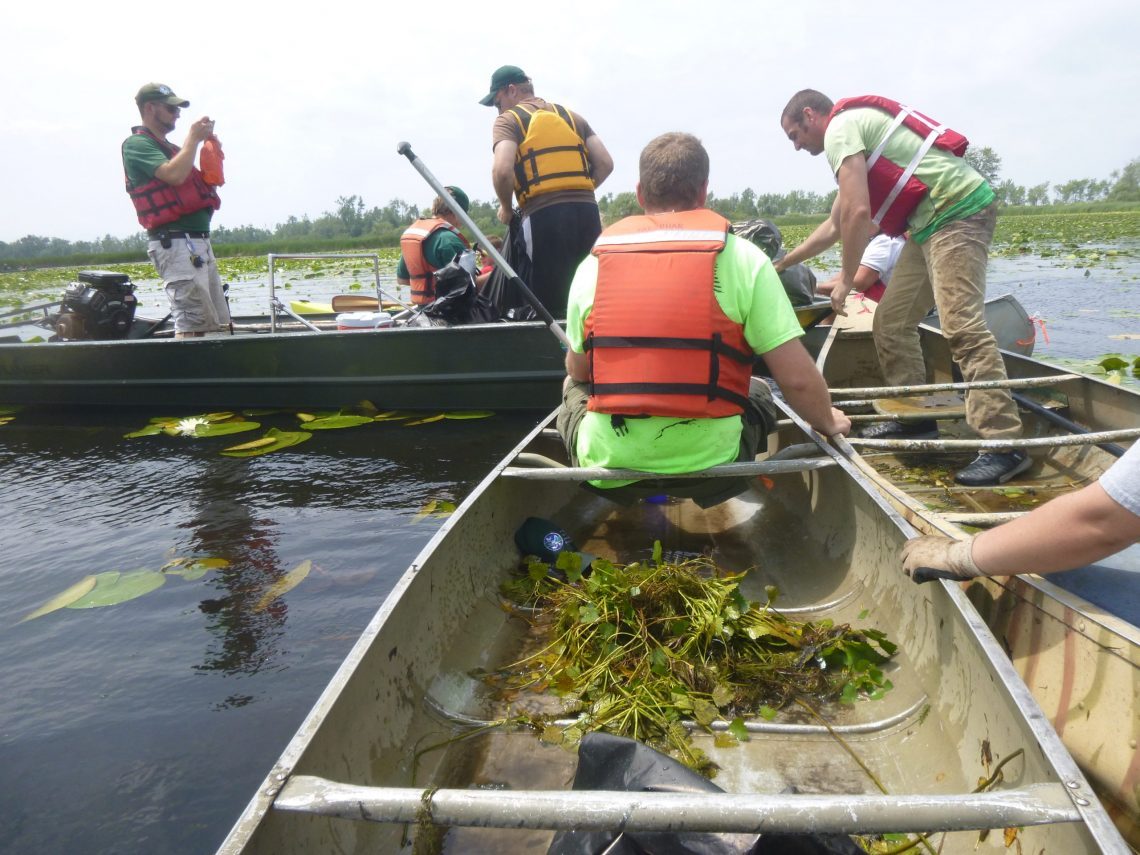
Imagine dipping your paddle into a quiet cove, the morning sun glinting off the water as you learn how to spot the floating leaves of invasive water chestnut. Or picture […]
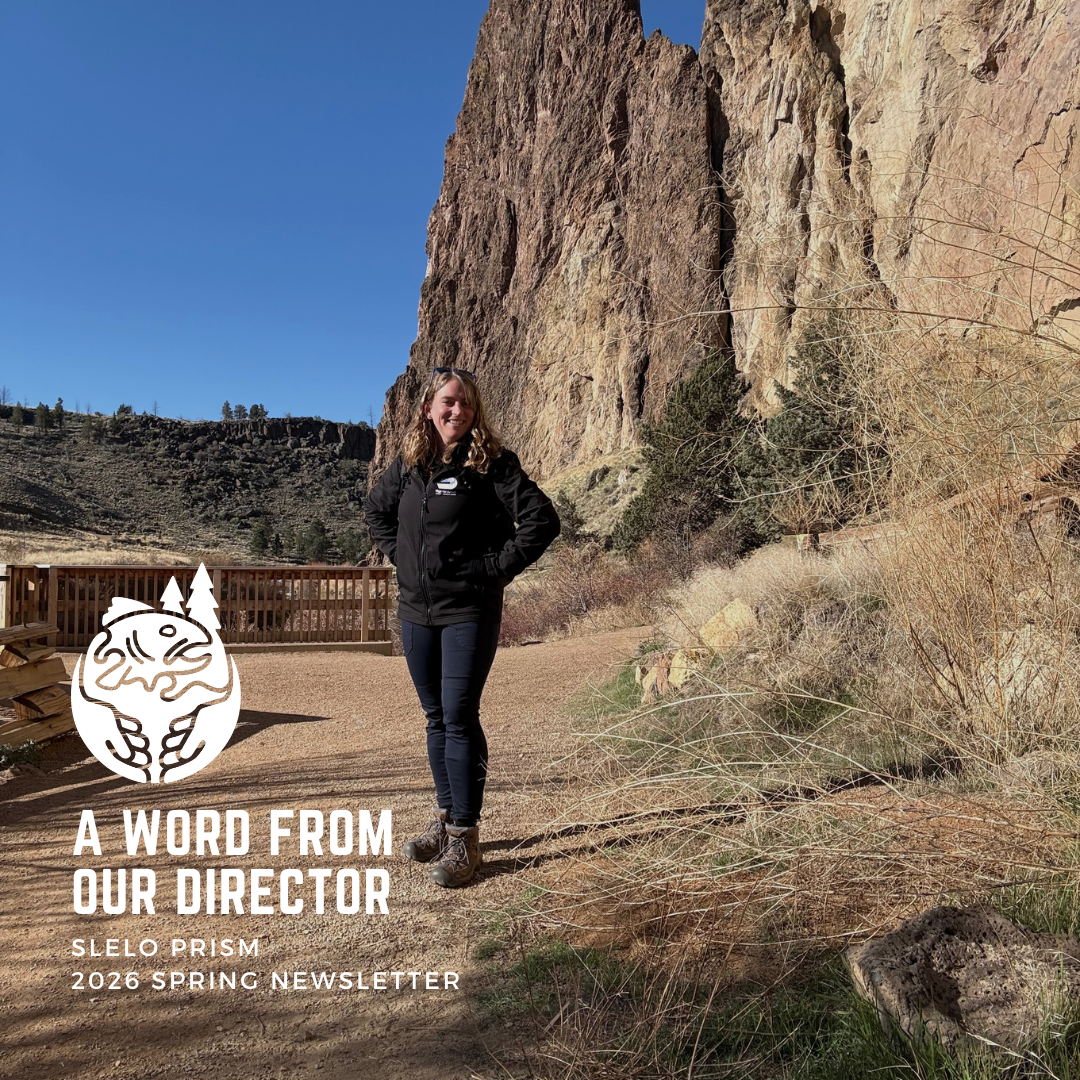
A Word From Our Director: 2026 Spring Newsletter
May 4, 2026
Spring has brought a renewed sense of energy and optimism that SLELO PRISM is brining into our work. We have an exciting year ahead and look forward to collaborating with our partners!

Volunteer Spotlight
May 4, 2026
Meet a new volunteer whose journey reminds us why community science matters.
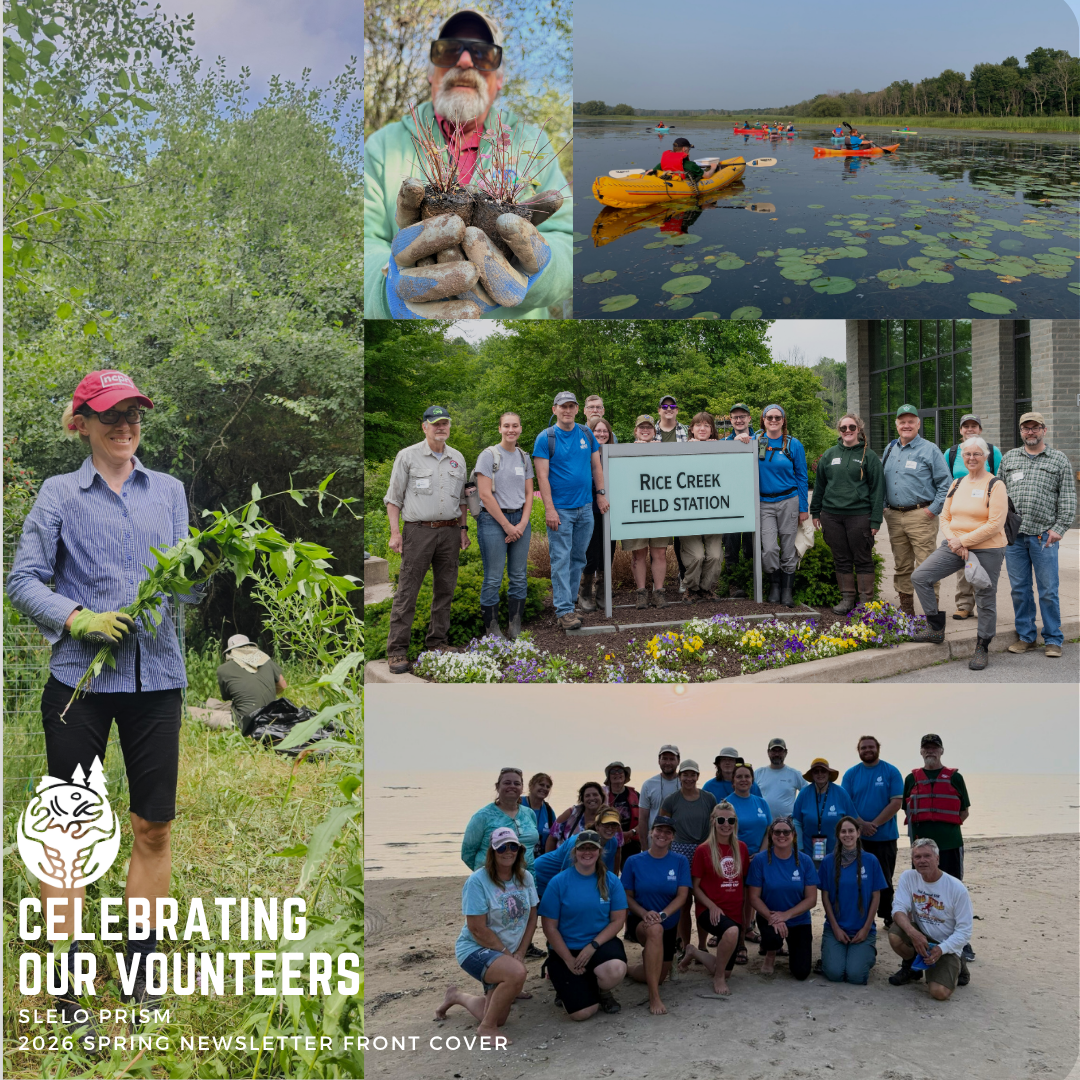
About the Cover: Celebrating Our Volunteers and Inviting New Protectors to Join the Effort
May 4, 2026
Our volunteers are the frontline defense for our native ecosystems. We are deeply grateful for their passion and tireless efforts. Whether you are an existing volunteer or looking for a new way to make a tangible impact, we invite you to join our upcoming learning and volunteer opportunities.
Get Involved: Explore upcoming volunteer opportunities. Shape
Our Celebration: Take our brief survey to help design a special appreciation event for our volunteers.
Together, we can protect our region’s natural resources.
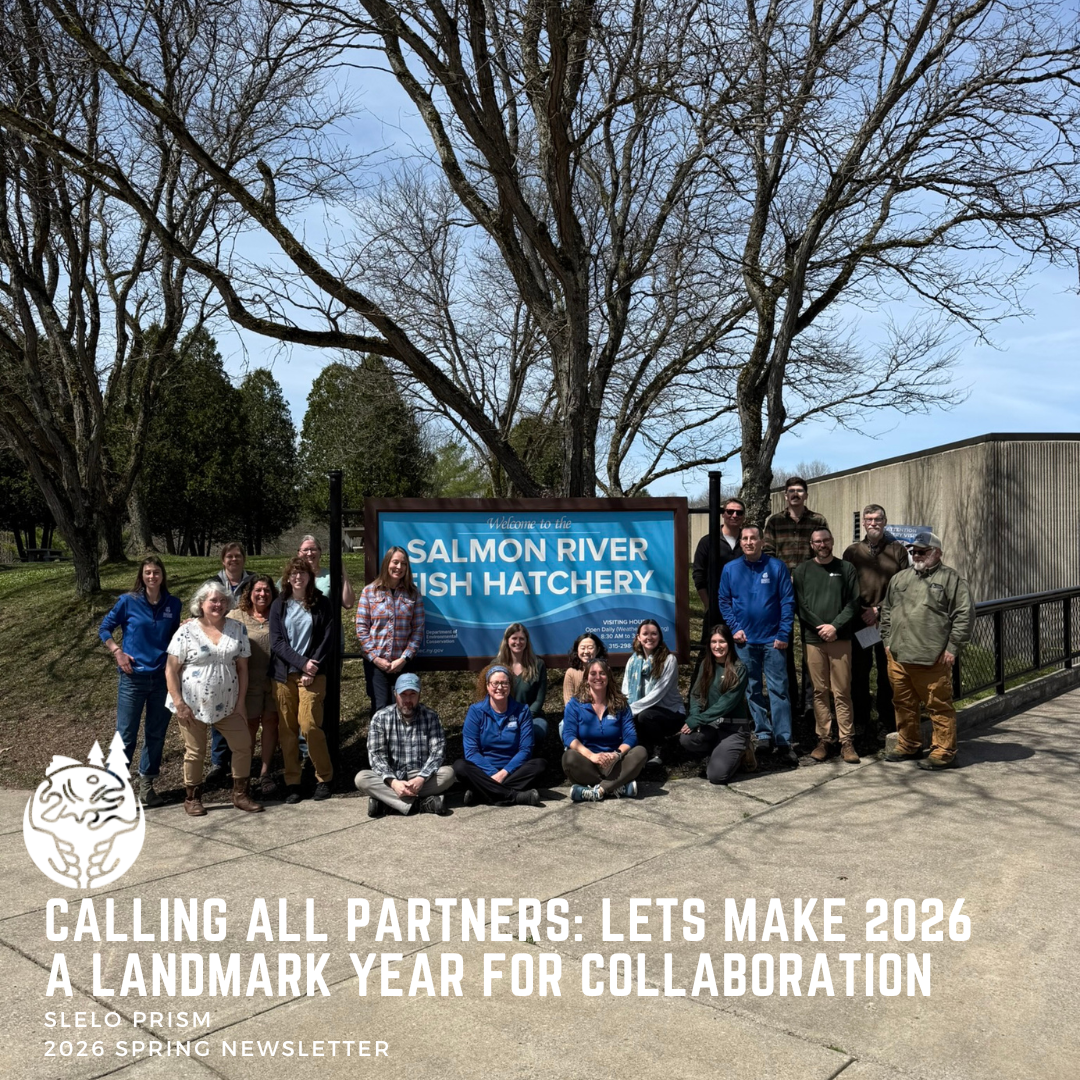
Calling all Partners: Let’s Make 2026 a Landmark Year for Collaboration
May 4, 2026
We’re launching two exciting new initiatives and want to collaborate with you! Join us in elevating regional conservation, inspiring local communities, and making a lasting impact together.

Species Spotlight: Yellow Legged Hornet
May 4, 2026
Yellow legged hornet (Vespa velutina) is a new invasive species in the United States that poses a real threat to honeybee populations. Although populations haven’t been detected in the SLELO region, the NYS Department of Agriculture and Markets is amping up survey efforts.

Species Spotlight: Yellow Floating Heart
May 4, 2026
Yellow floating heart (Nymphoides peltata) is an invasive aquatic plant from Eurasia that poses a severe threat to North American freshwater ecosystems. While popular in water gardens for its yellow flowers and heart-shaped leaves, it forms dense mats that destroy native habitats, lower oxygen levels, and clog waterways.

Species Spotlight: SLF on the Move
May 4, 2026
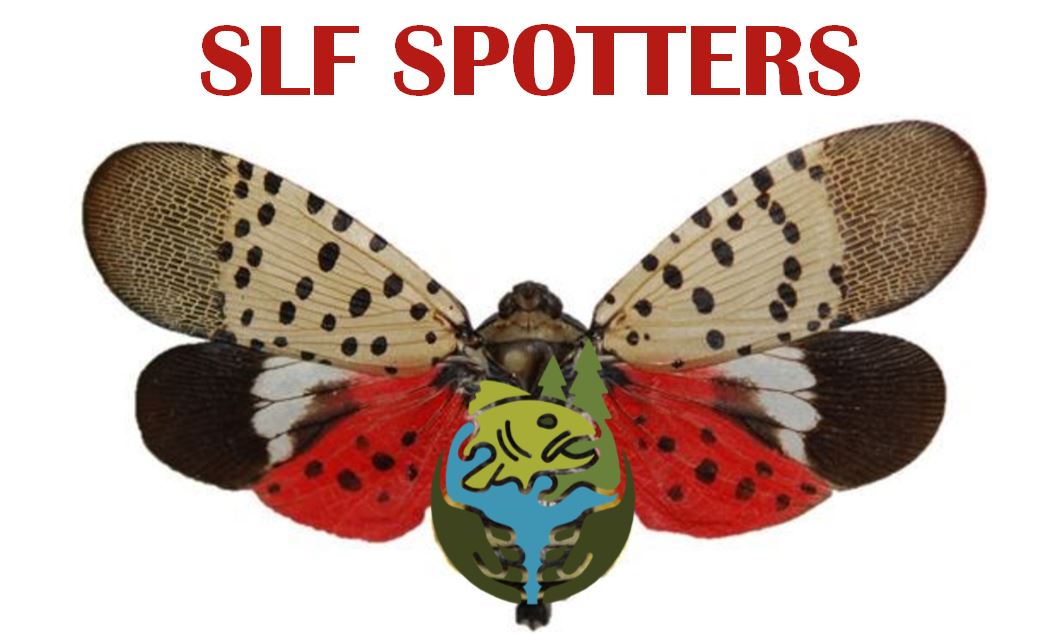
The invasive spotted lanternfly (Lycorma delicatula) is encroaching on the SLELO region, threatening local agriculture and biodiversity. Learn from NYS IPM experts about their preferred plant foods, how native and biocontrol predators may aid in control, and the potential of milkweed as a surprising biological management tool.
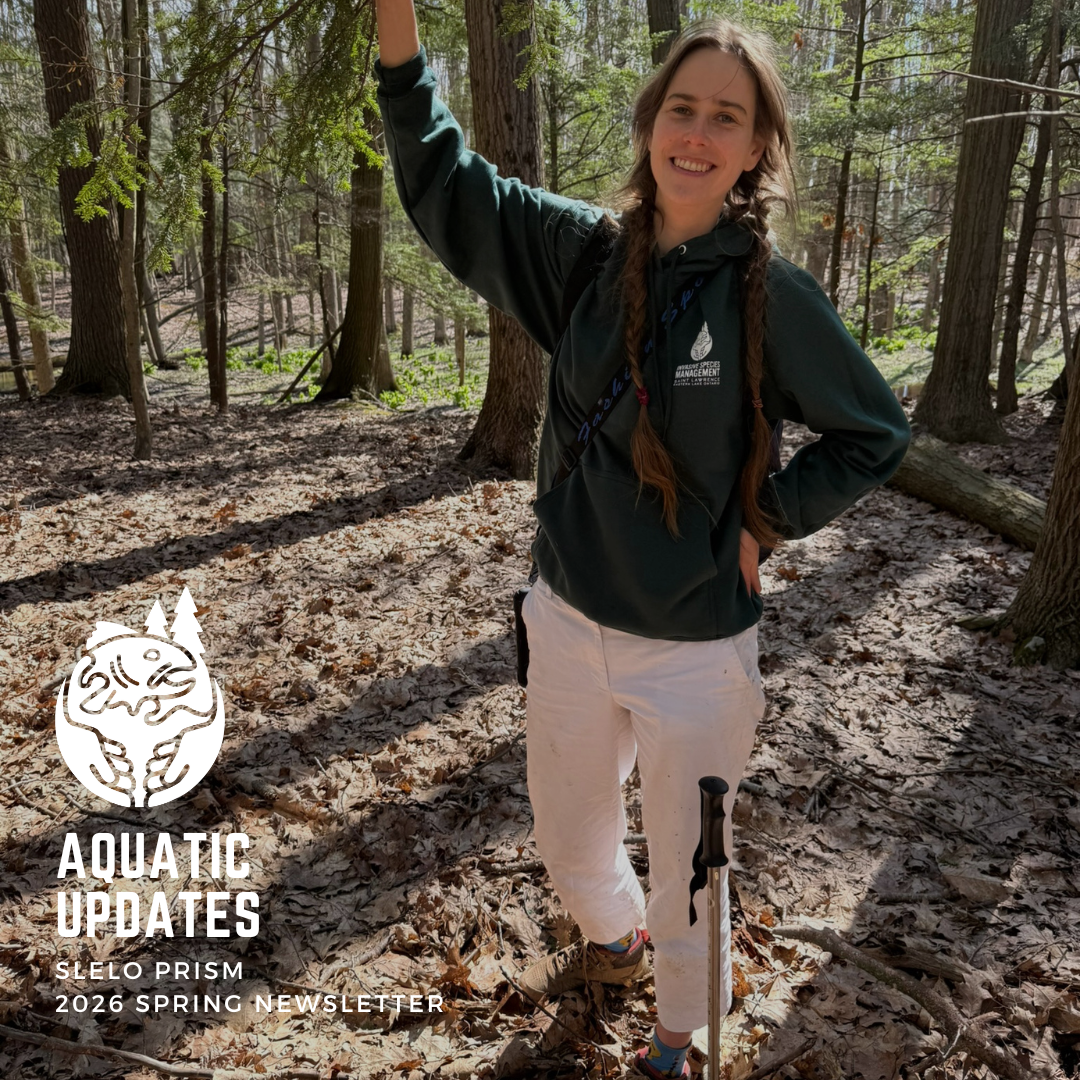
2026 Spring Aquatic Updates
May 4, 2026
On the horizon for the 2026 field season are early detection surveys, learning opportunities, removals and an exciting aquatic plant restoration pilot project.