To showcase our Pledge to Protect outreach initiative we’ve placed billboards throughout the SLELO region.

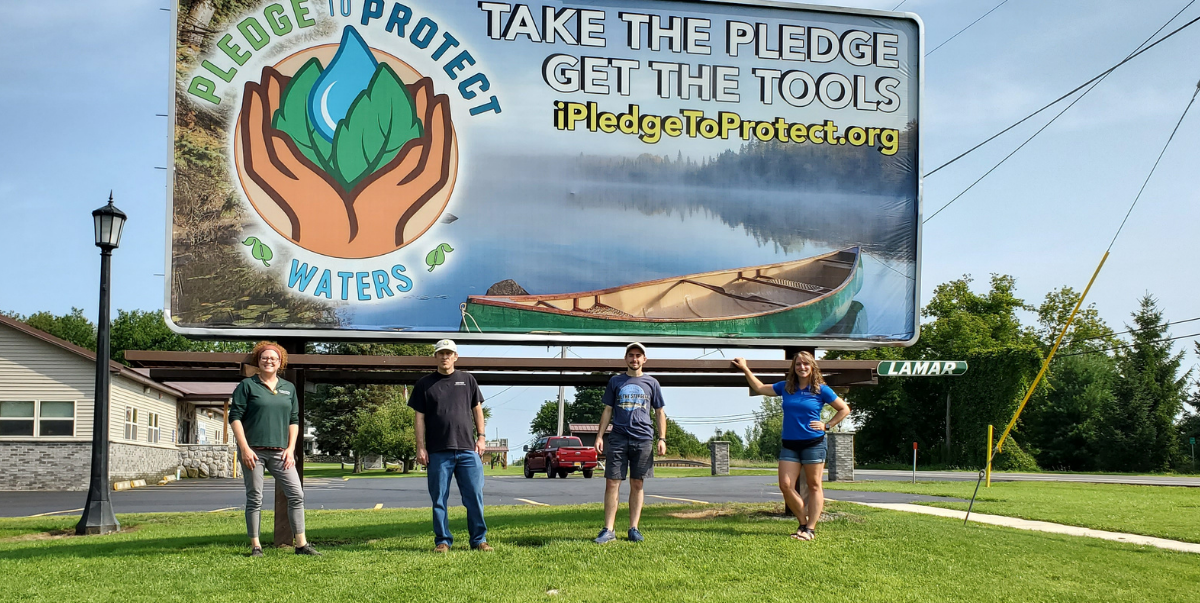
Billboards in SLELO!
August 5, 2021
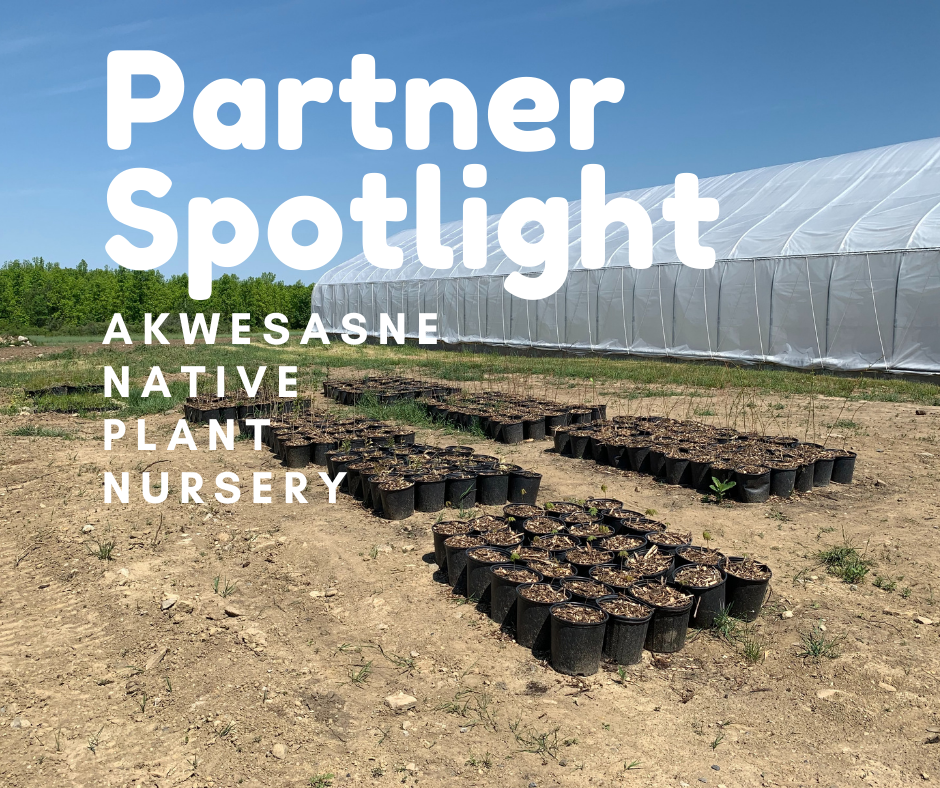
Partner Spotlight
July 30, 2021
Our partners at the Indian River Lakes Conservancy are developing a weevil rearing project through community science.

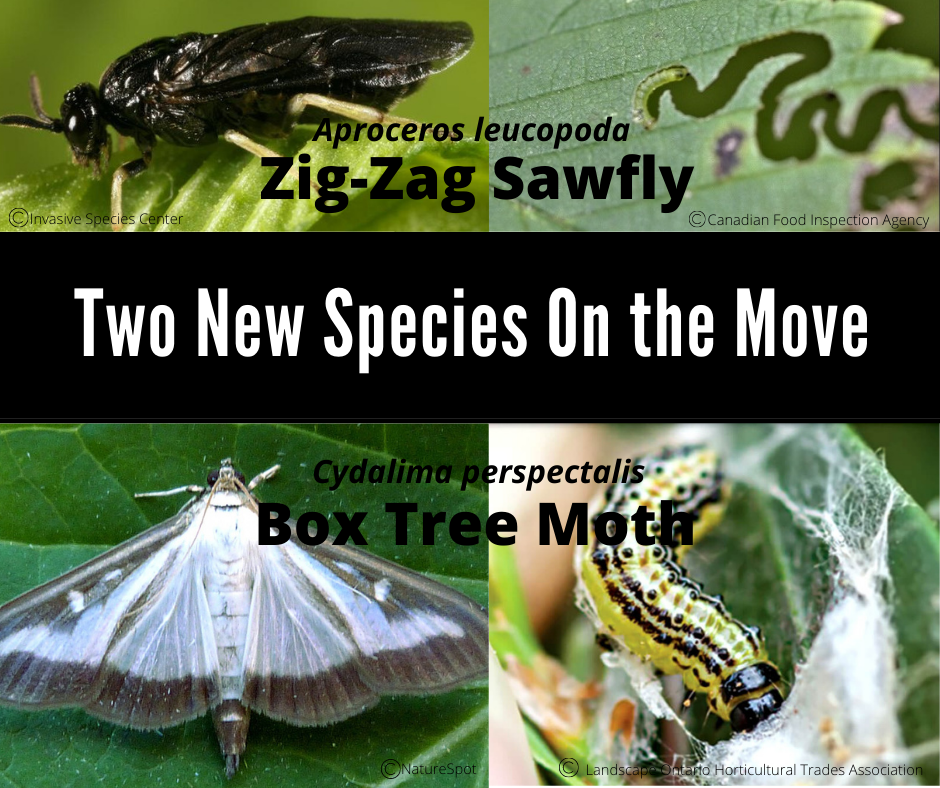
Two New Species On The Move
July 26, 2021
Our partners at the Indian River Lakes Conservancy are developing a weevil rearing project through community science.
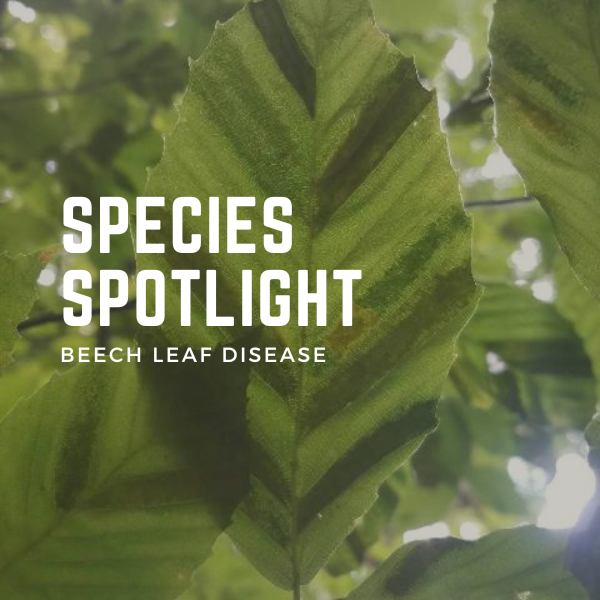
Species Spotlight: Beech Leaf Disease
July 26, 2021
Beech leaf disease (BLD) is the newest threat to beech trees and is spreading rapidly. In New York, BLD has been found in 14 new counties this year, for a total of 35 infected counties. It was recently found in Oswego county in the SLELO region, and nearby on the southwestern edge of the Adirondacks.
Milfoil, Community Science, and Teens
July 23, 2021
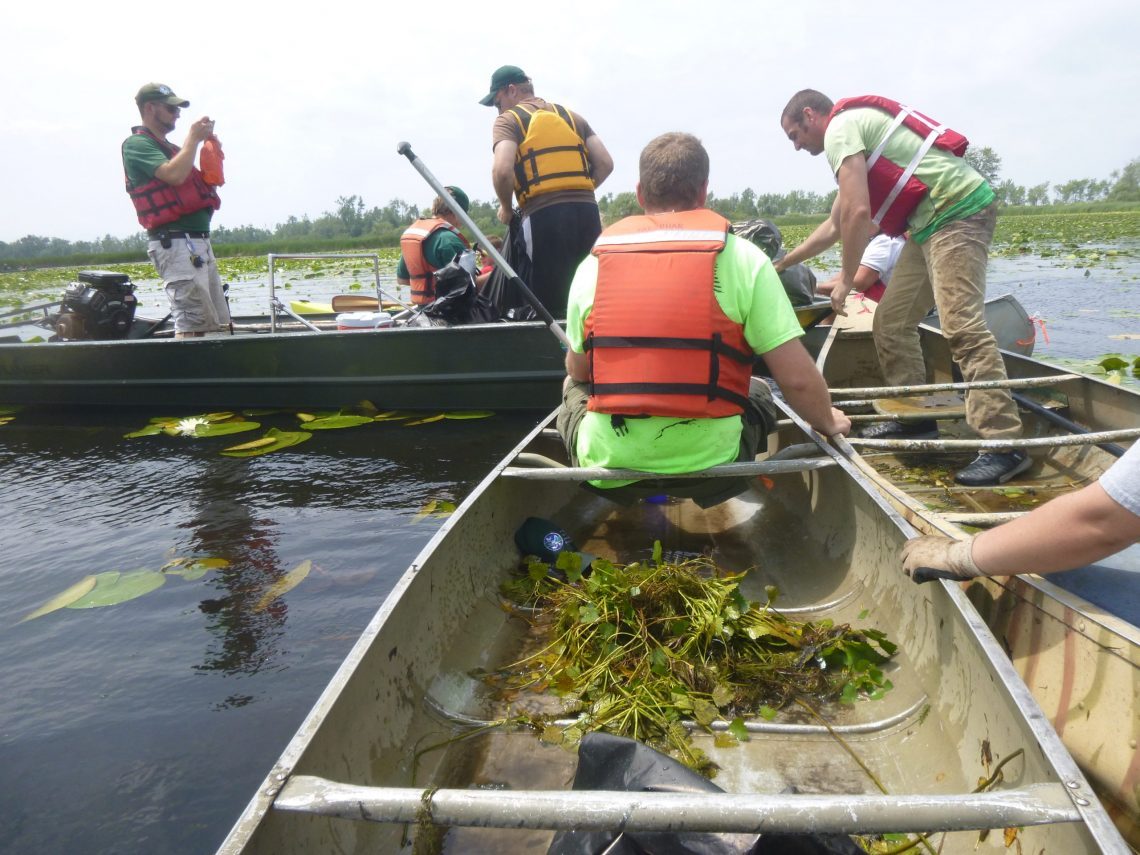
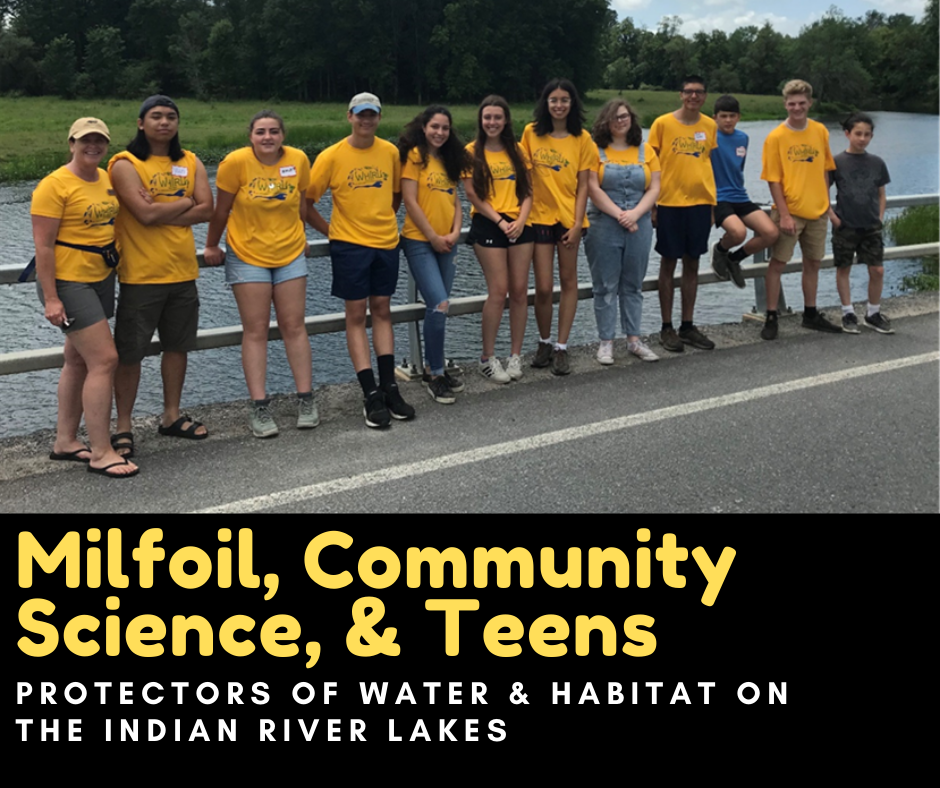
Our partners at the Indian River Lakes Conservancy are developing a weevil rearing project through community science.
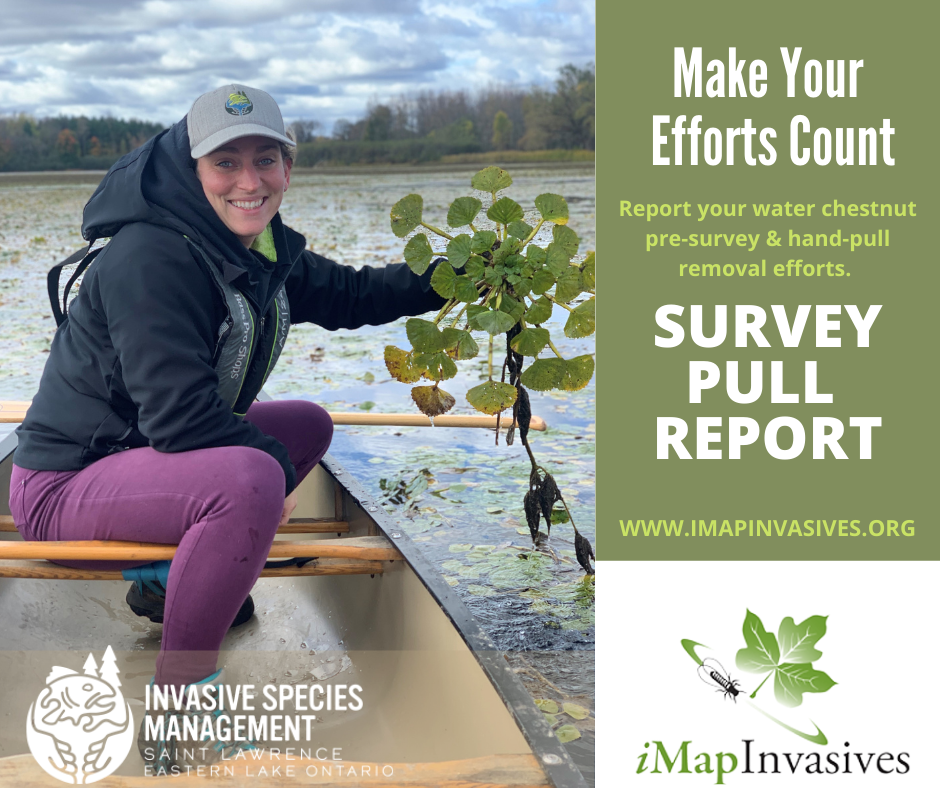
Calling all Water Chestnut Pull Organizers
July 22, 2021
If you organize water chestnut pulls, make your efforts count and report pre and post treatment data to NYiMapInvasives.org.
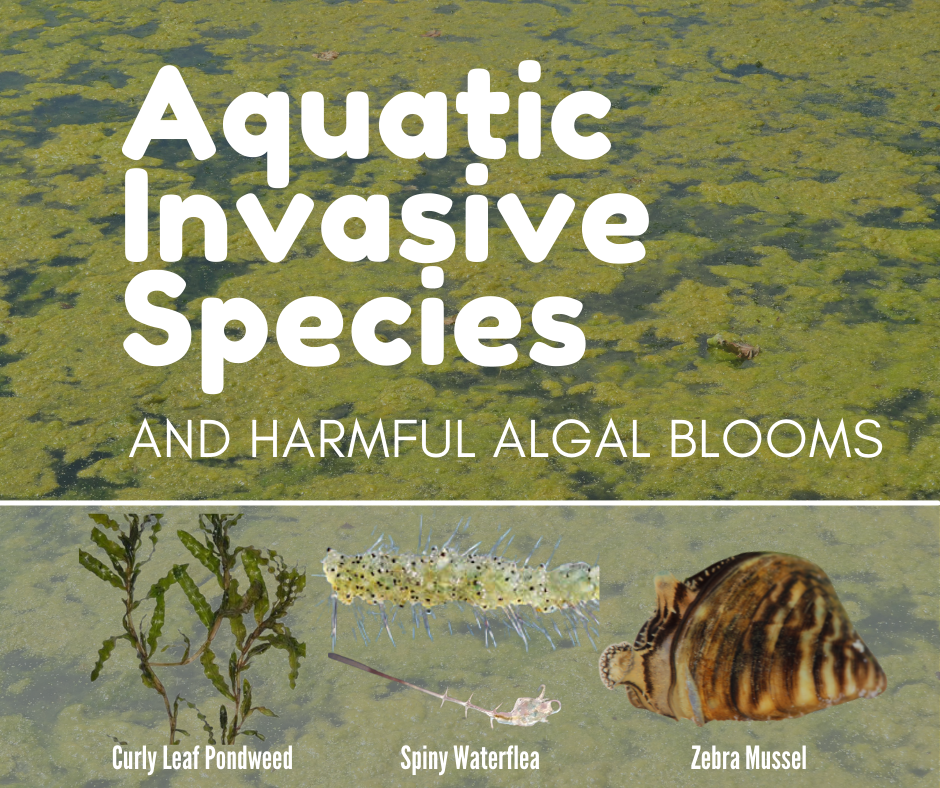
Aquatic Invasive Species & Harmful Algal Blooms
July 5, 2021
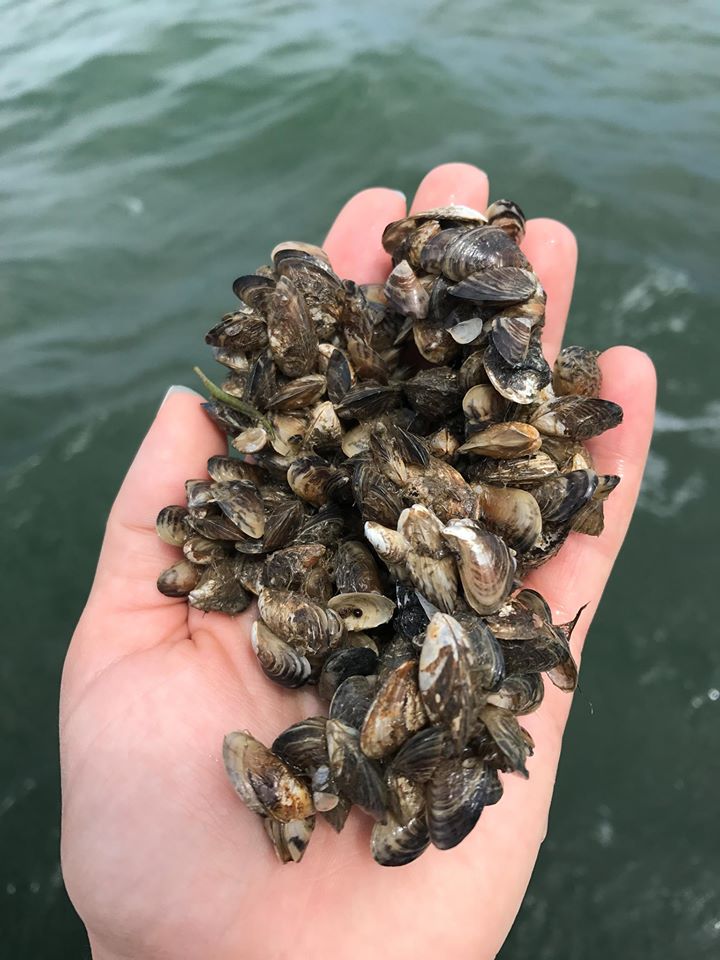
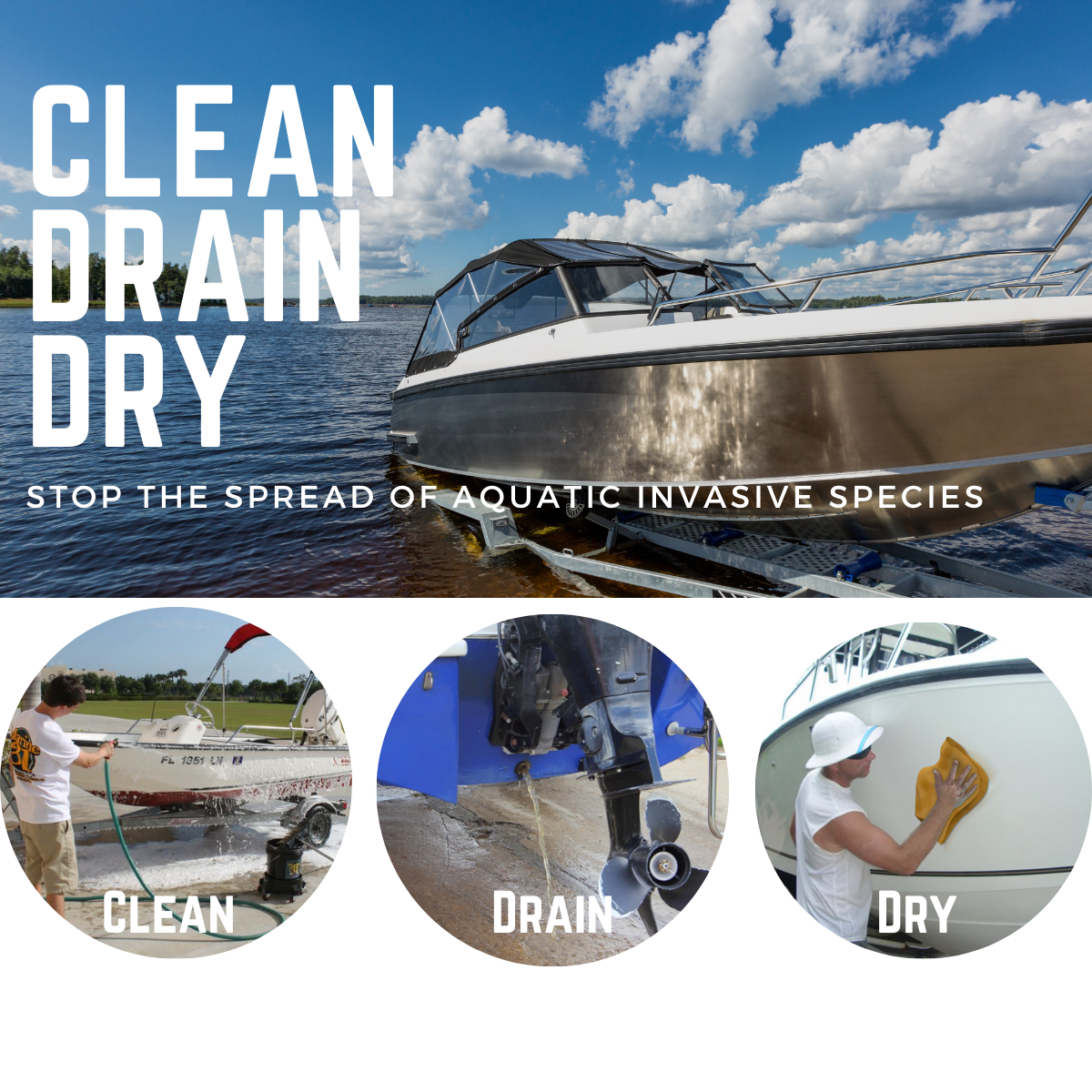
Harmful algal blooms- HABs, can be a real bummer to summer recreation. Aquatic invasive plants and animals can assist the growth of HABs.
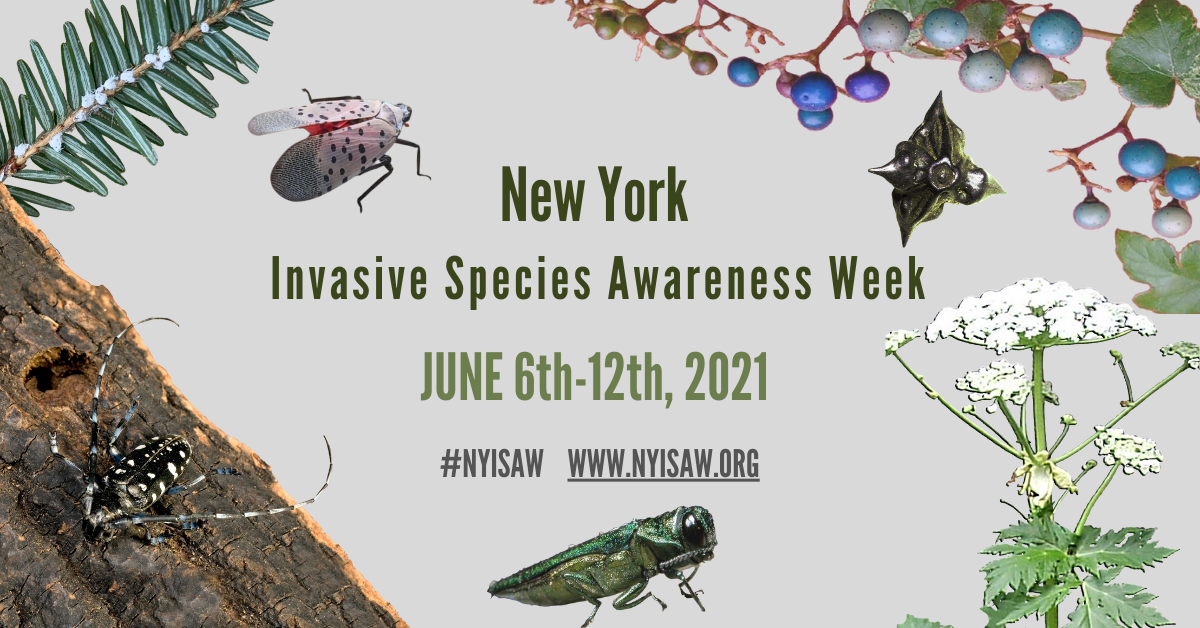
NYISAW 2021
June 2, 2021
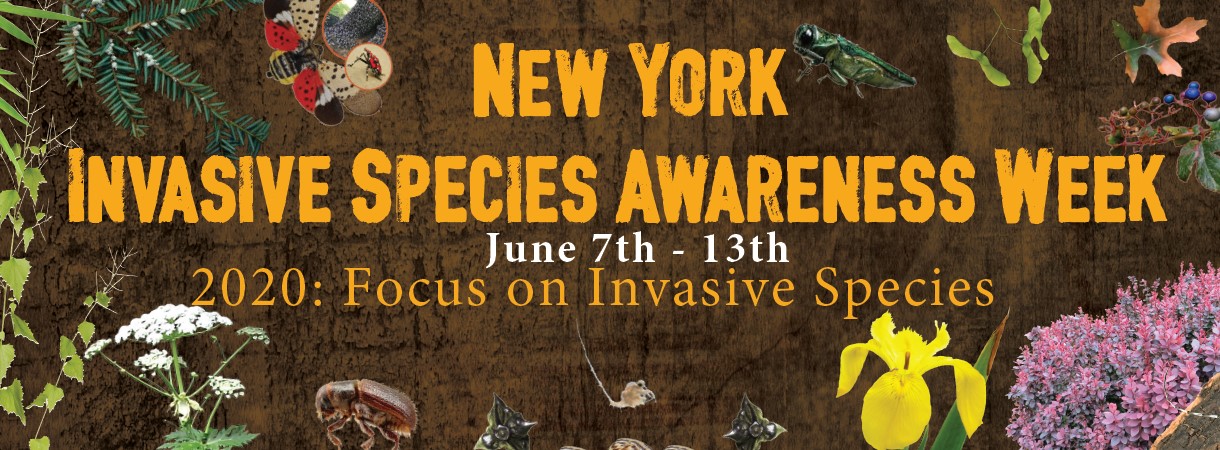
Learn how you can protect your lands and waters from the impacts of invasive species during the 8th annual New York Invasive Species Awareness Week. June 6th through the 12th virtual engagements, COVID compliant events, social media challenges and a family friendly scavenger hunt will be held across NYS.

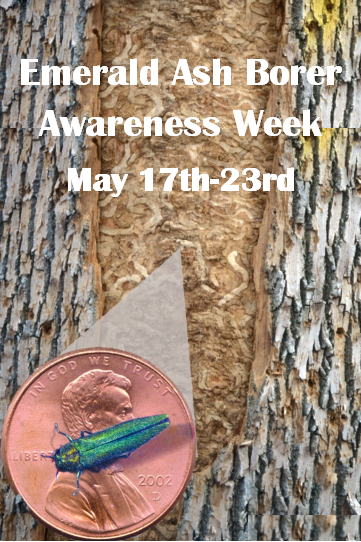
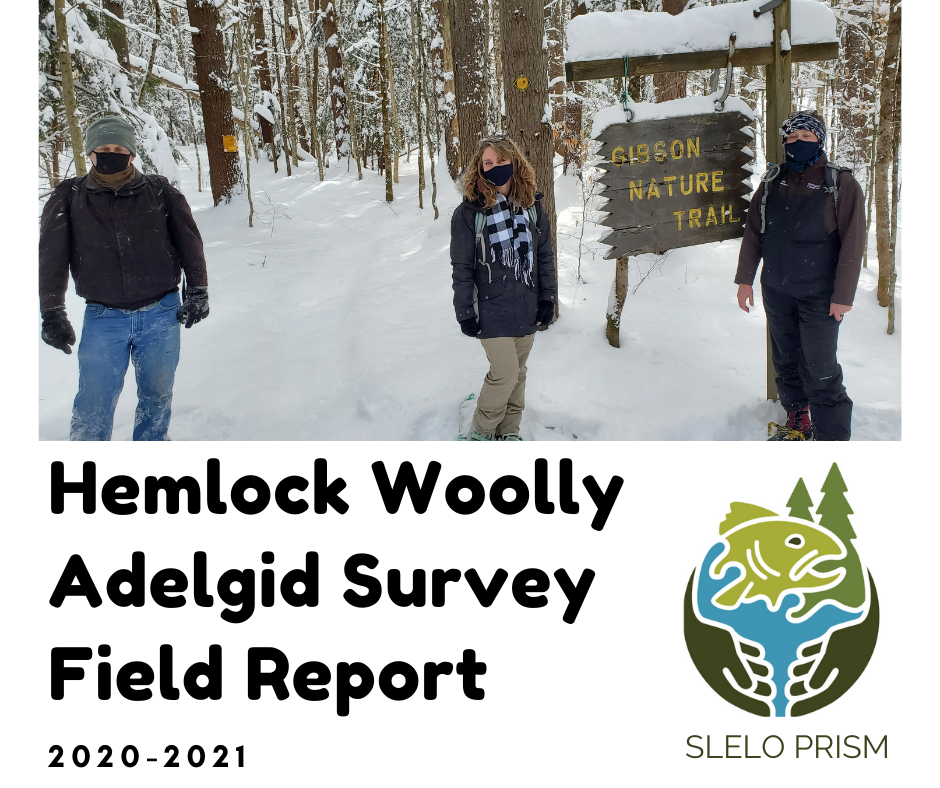
Field Survey conducted by Robert Smith and Brittney Rogers
May 19, 2021
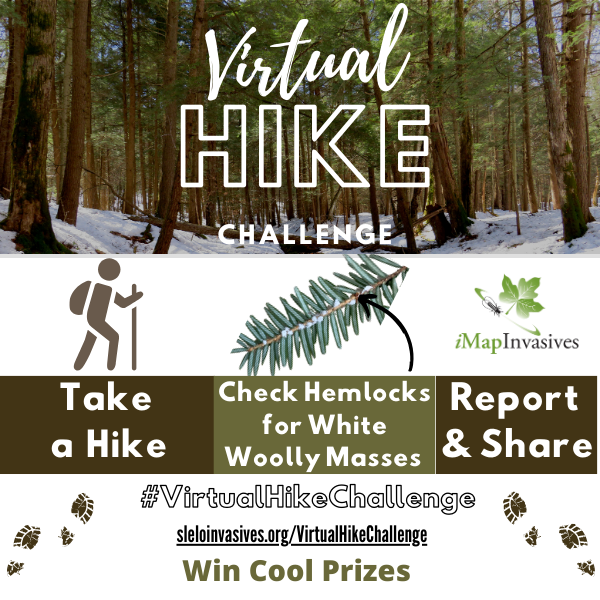
13 Priority Conservation Areas and 30 Highly Probable Areas were surveyed for hemlock woolly adelgid in the SLELO region. Of the 30 HPAs searched, HWA was detected at 3 separate sites.

Protector’s Activity: Native Alternatives to Common Invasive Garden Plants
May 9, 2021
Many invasive plants were once considered desirable ornamentals that were intentionally introduced to our gardens and landscapes only to escape into our natural environments. Learn of native alternatives to common invasive garden plants.