The invasive spotted lanternfly (Lycorma delicatula) is encroaching on the SLELO region, threatening local agriculture and biodiversity. Learn from NYS IPM experts about their preferred plant foods, how native and biocontrol predators may aid in control, and the potential of milkweed as a surprising biological management tool.


Species Spotlight: SLF on the Move
May 4, 2026

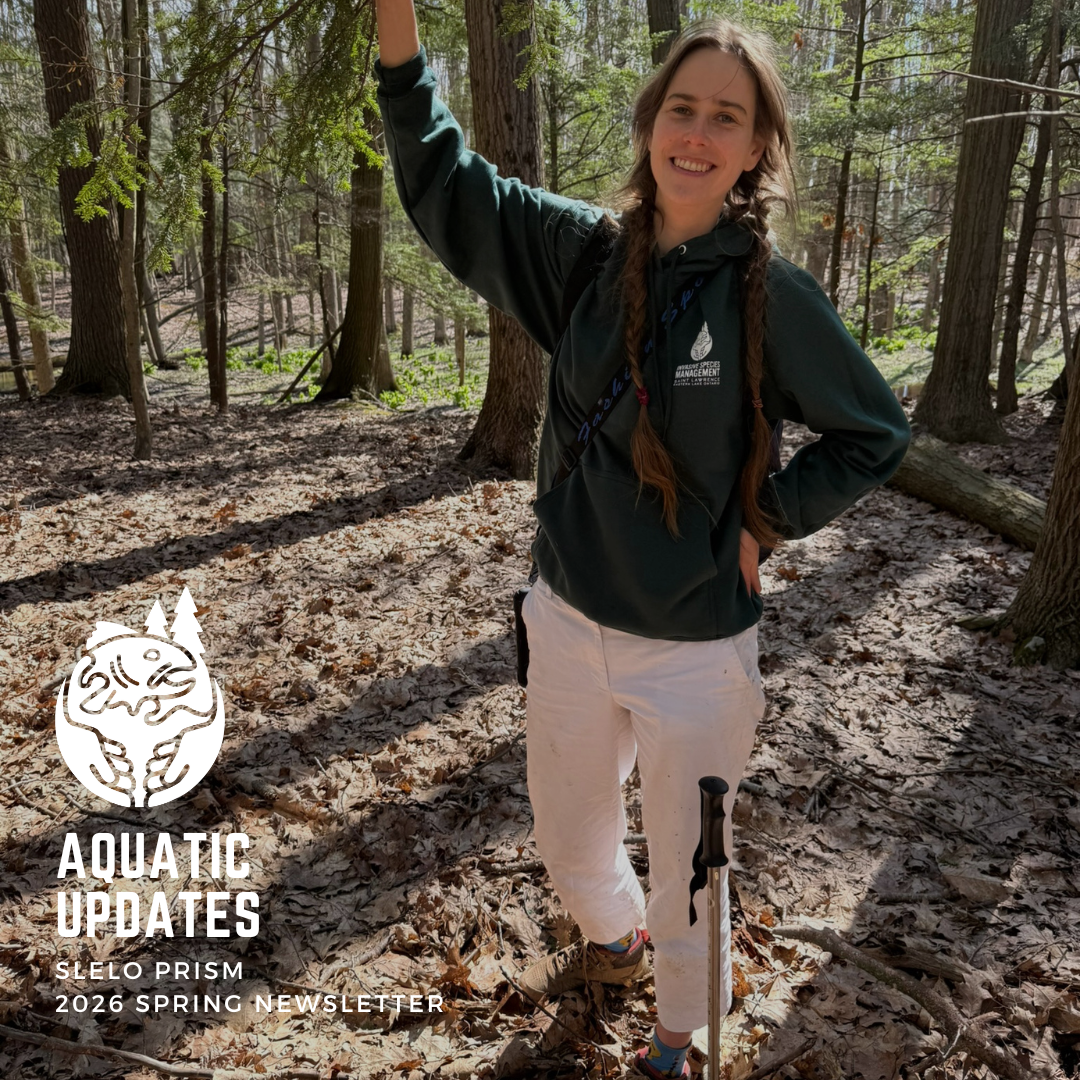
2026 Spring Aquatic Updates
On the horizon for the 2026 field season are early detection surveys, learning opportunities, removals and an exciting aquatic plant restoration pilot project.
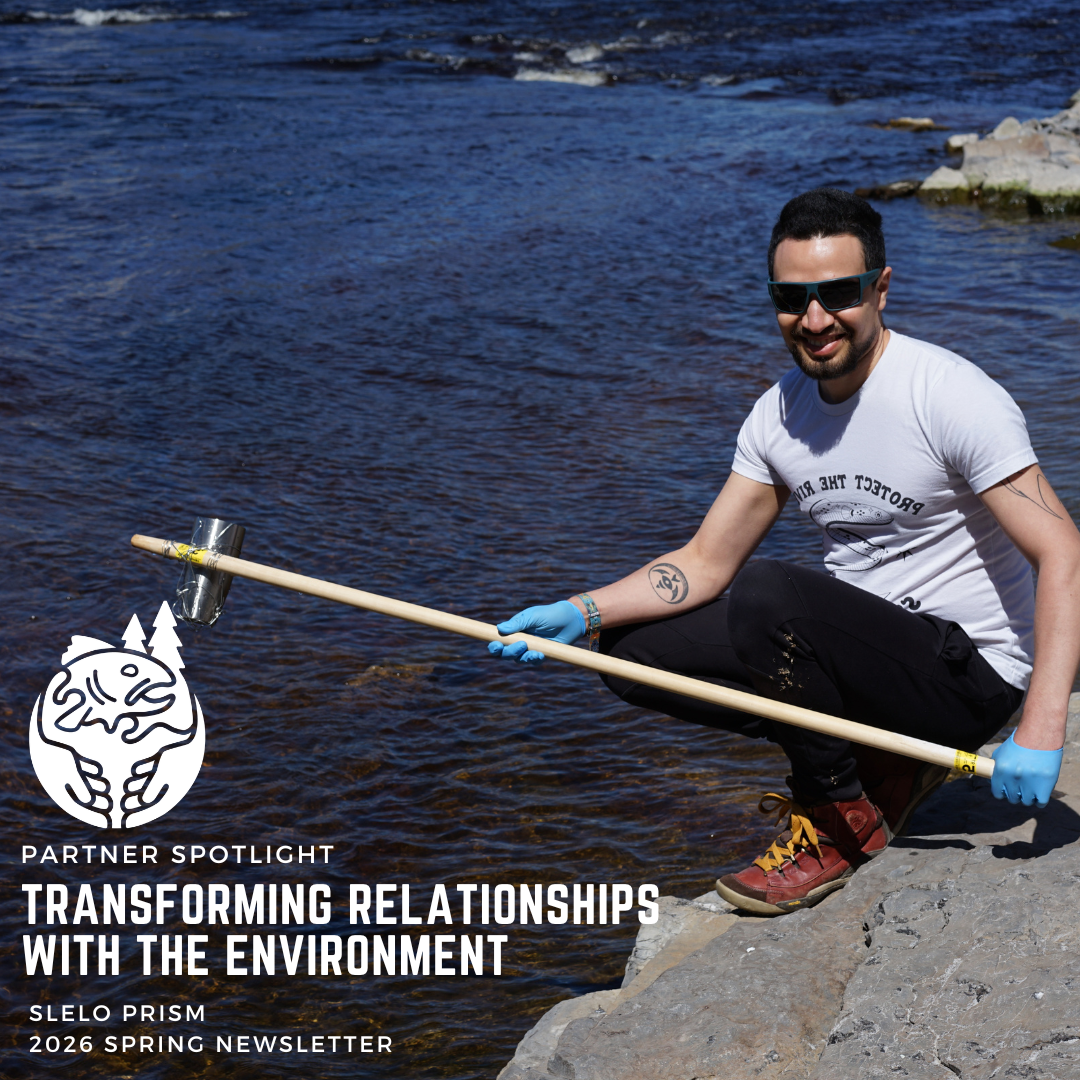
Partner Spotlight: Transforming Relationships with the Environment
Dedicated to changing our relationship with the environment, Talking Rivers advocates for the legal recognition of nature’s rights. The non-profit has launched three key projects that merge community science, legal action, and storytelling to safeguard essential local watersheds.
SLELO PRISM Bioblitz26 Event
May 1, 2026
Join SLELO PRISM’s BIoblitz26 event at Lakeview WMA. Participants can enjoy a guided paddle or trail walk to explore and record species encountered! No experience needed, all ages welcome.
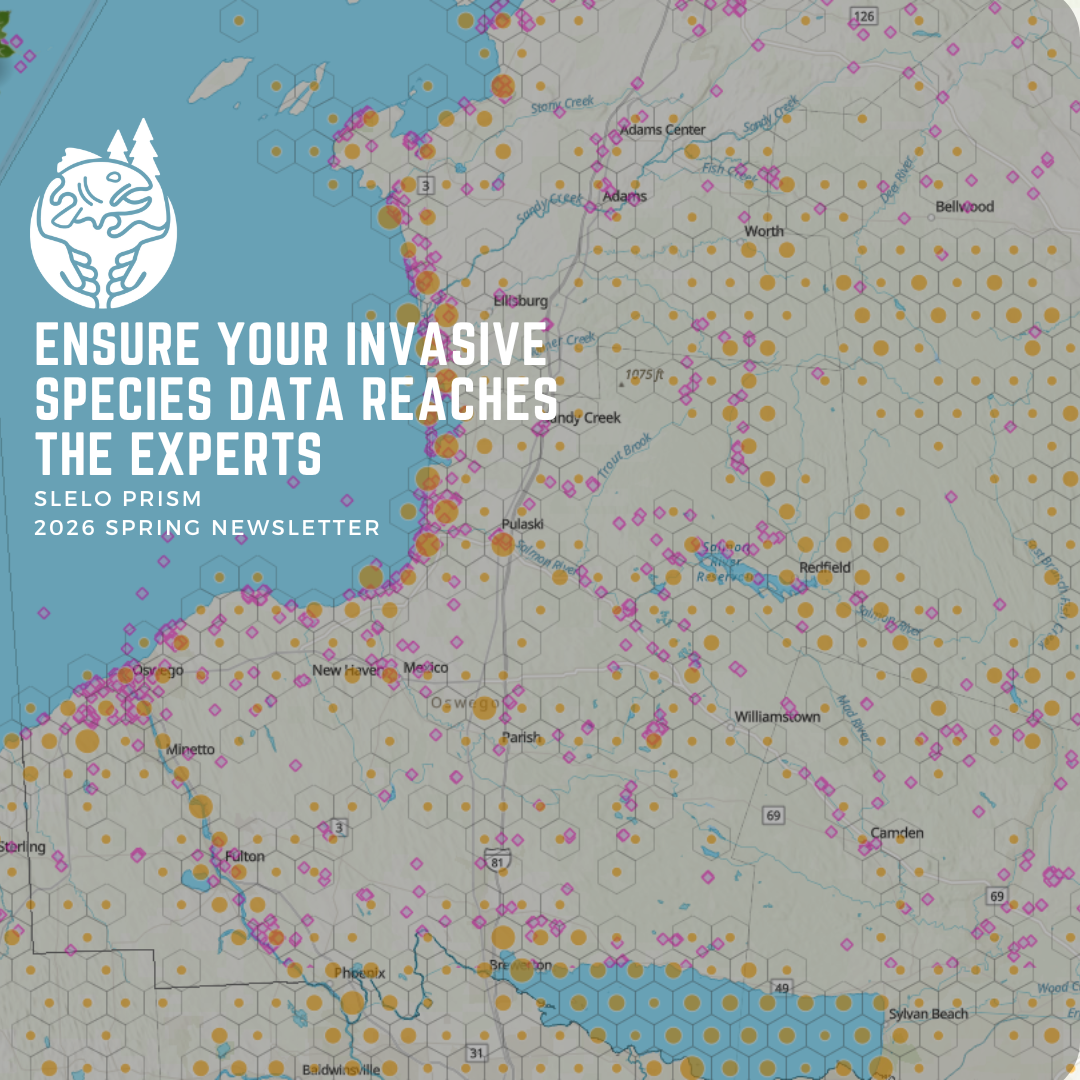
iMapInvasives: Ensure Your Invasive Species Data Reaches the Experts
April 30, 2026
iMapInvasives shares tips to ensure the invasive species data you submit to iNaturalist can still be utilized by professionals in the iMap network.

Partner Spotlight: Root of Renewal: Biodiversity Habitat Enhancement
April 30, 2026
Learn about an exciting new restoration project underway aimed to foster lasting ecological benefits and a stronger culture of conservation throughout the SLELO region.

2026 Spring Terrestrial Updates
April 30, 2026
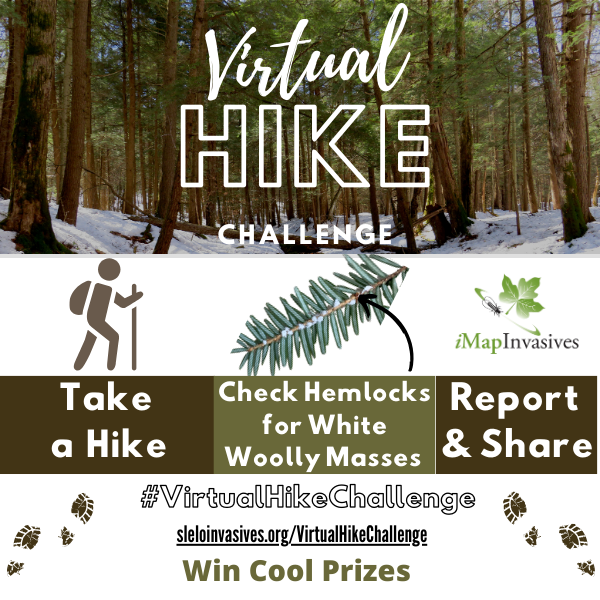
Get the latest terrestrial updates regarding HWA, field surveys, management and restoration efforts.
Partner Spotlight: The Process Behind the Specialist Predators
April 30, 2026
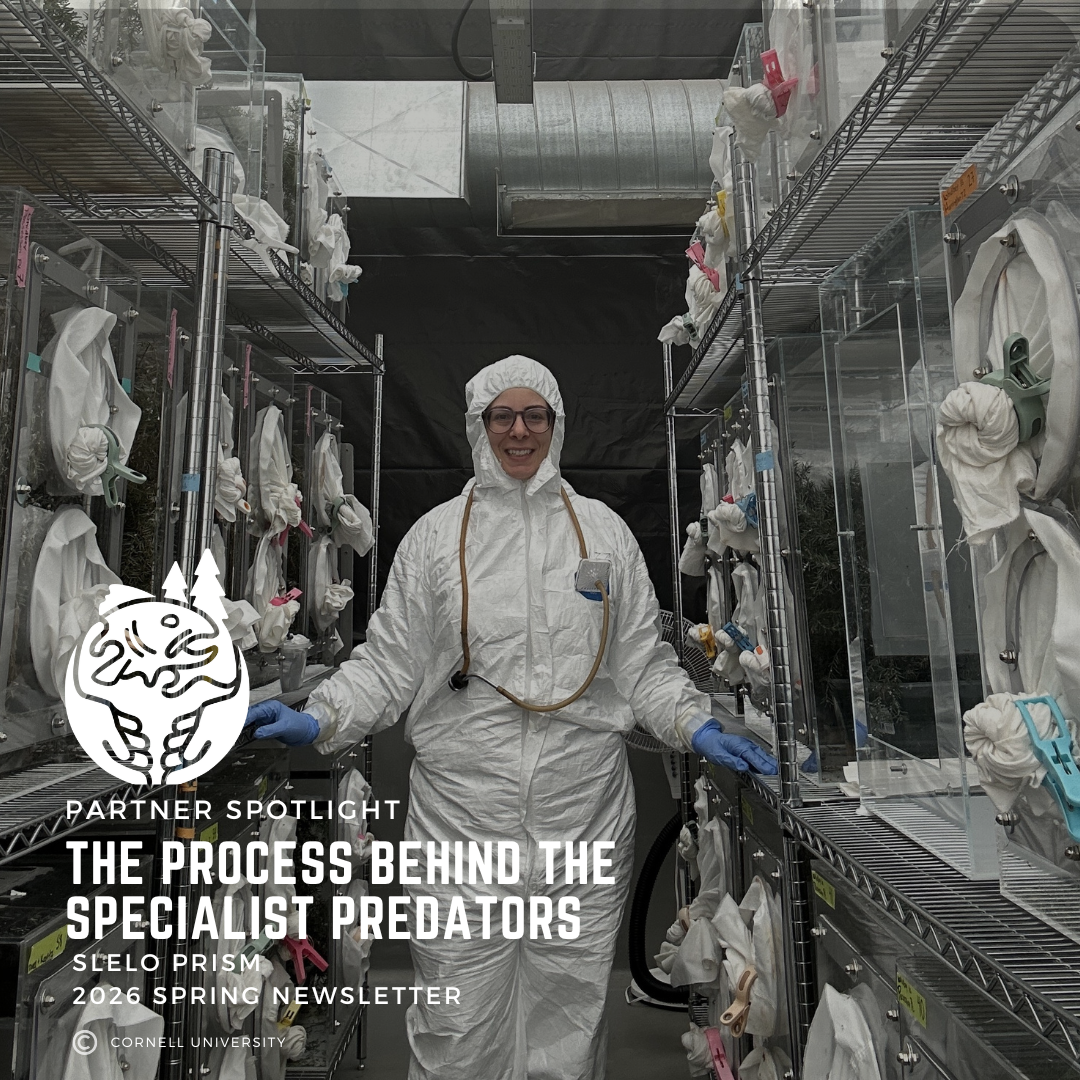
A recent paper led by the New York State Hemlock Initiative, featured in the Journal of Insect Science, documents an important step forward in the biological control of hemlock woolly adelgid (HWA). The study presents refined methods for collecting and rearing three specialist predators that occur naturally in the adelgid’s native western range. Together, these insects feed on HWA across multiple life stages and offers the potential for sustained population suppression.

Growing Smart: How Climate-Smart Gardening Can Help Protect New York’s Landscapes
April 27, 2026
Learn how climate-smart gardening can help stop invasive species, protect native plants, and build a resilient landscape in the SLELO region.



Celebrate Earth Month: Tips to Help You Protect Your Favorite Green Spaces
March 30, 2026
April is Earth month! Learn easy and fun ways to take action to protect your favorite outdoor spaces from invasive species.