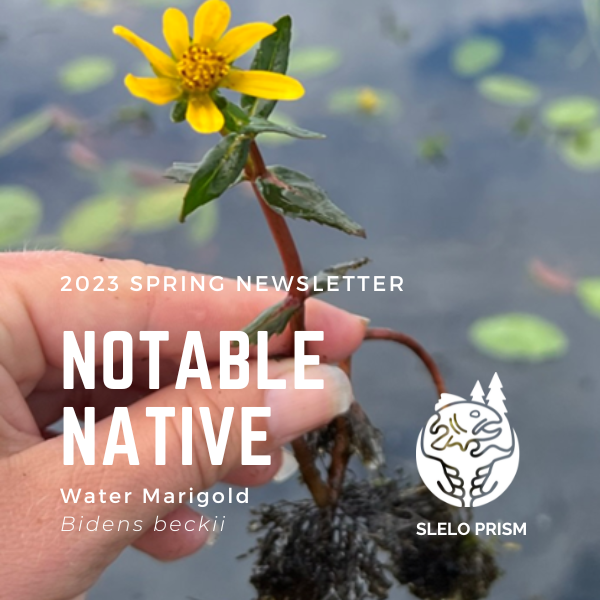
Water Marigold, Bidens beckii, is commonly found in shallow slow-moving waters. Considered to be a more uncommon species in the northeast, our early detection team has encountered b. beckii during surveys in our region making it a native worth noting.
Notable Native Sighting
May 1, 2023
Aquatic Updates: Spring 2023
May 1, 2023
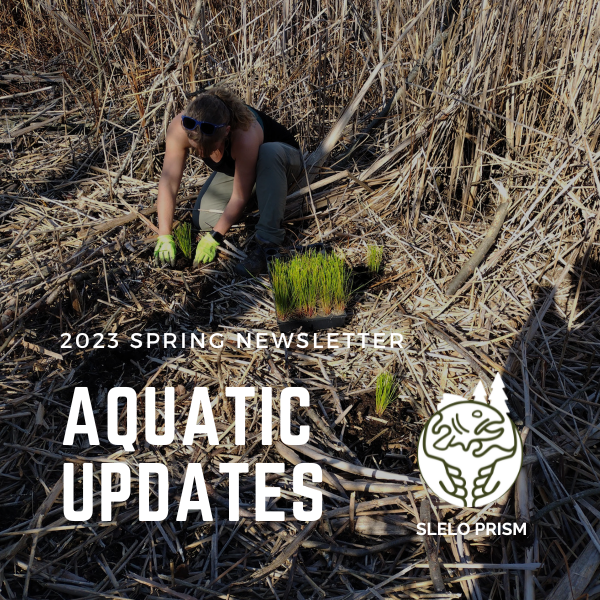
Updates from our Aquatic Restoration and Resiliency Coordinator, Brittney Rogers, showcasing WISP, eDNA, and restoration efforts.
Calling All Water Chestnut Organizers
May 1, 2023
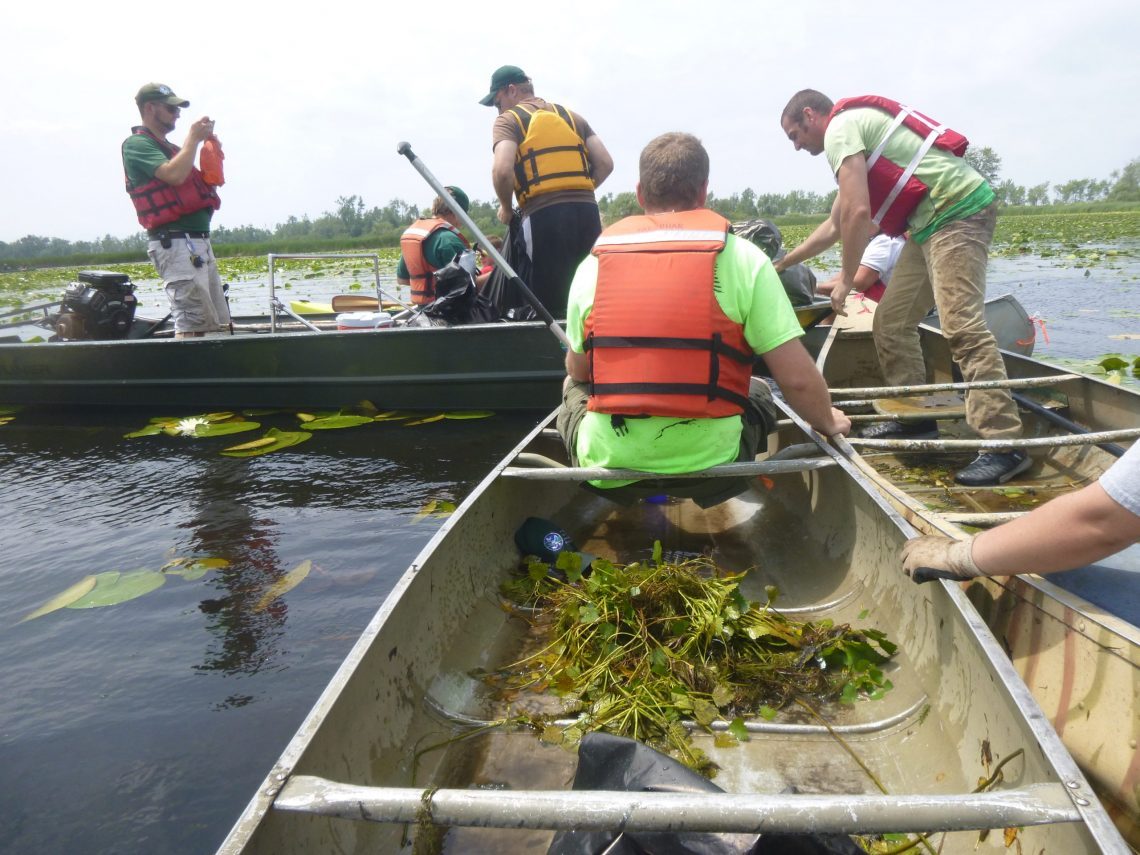
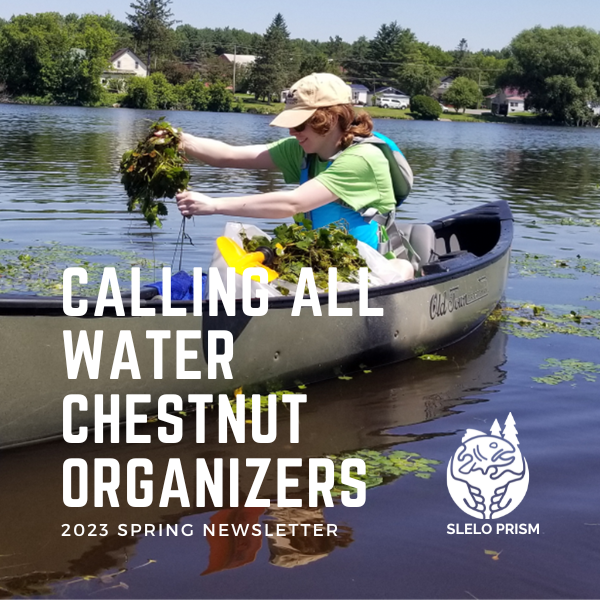
Each year, dozens of conservation professionals and volunteers across the state work together to remove thousands of pounds of water chestnut by hand out from New York waterbodies. Learn how to make your efforts count by reporting your water chestnut pull data to iMapInvasives.
Terrestrial Updates: Spring 2023
May 1, 2023
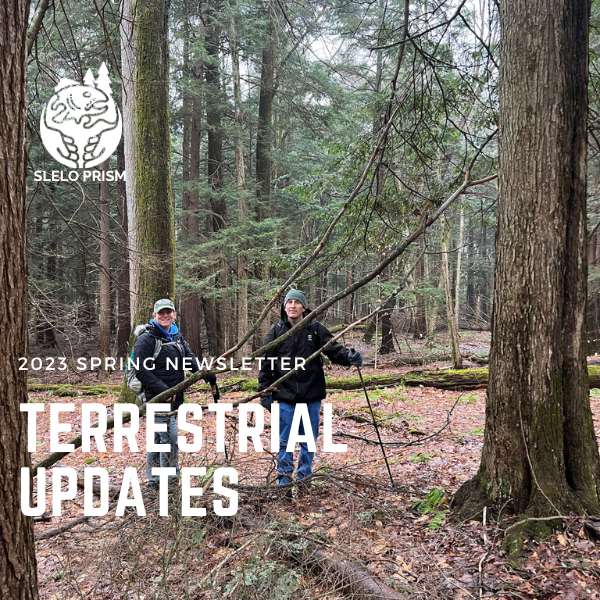
Updates from our Terrestrial Restoration and Resiliency Coordinator, Robert Smith highlighting field season accomplishments, along with upcoming plans for the 2023 field season.
eDNA Aids HWA Early Detection
May 1, 2023
Research led by the New York State Hemlock Initiative (NYSHI) at Cornell University suggests that eDNA is more sensitive than visual surveys when HWA is at low densities.
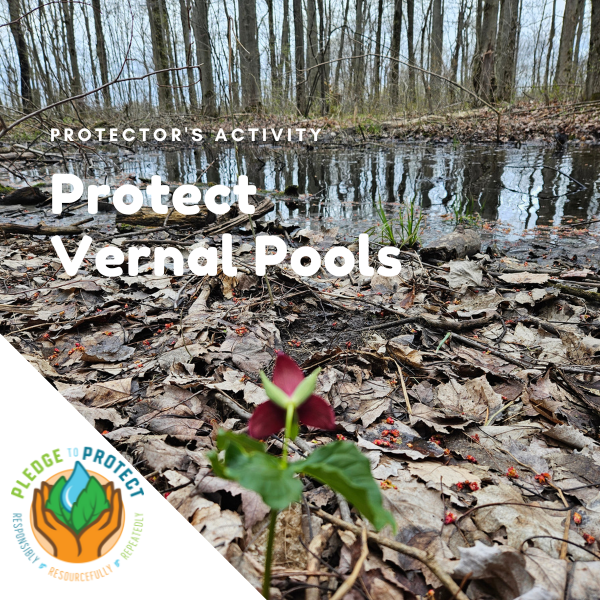
Protector’s Activity: Protect Vernal Pools
April 25, 2023
Vernal pools provide essential habitats for the lifecycle of amphibians and provide important food sources for wildlife. Invasive plants can lower ground table water levels making conditions too dry for vernal pools to develop altering these sensitive habitats and making them unsuitable for dependant wildlife.
2022 Watercraft Inspection Program Results
March 2, 2023
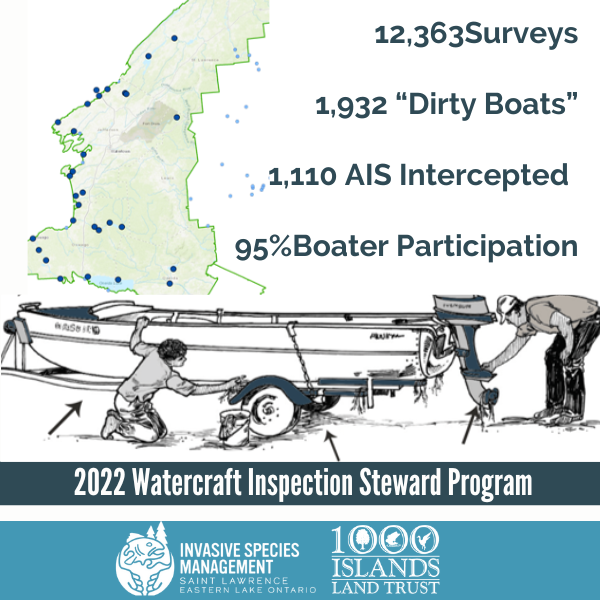
During 2022, 12 stewards covered nearly 27 launches across the region, inspecting 12,363 watercraft and preventing 1,110 species from being transported by watercraft.
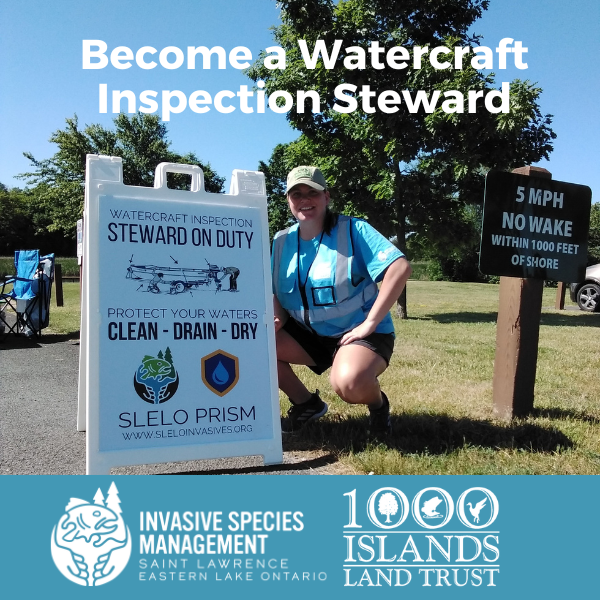
Become a Watercraft Inspection Steward
March 2, 2023
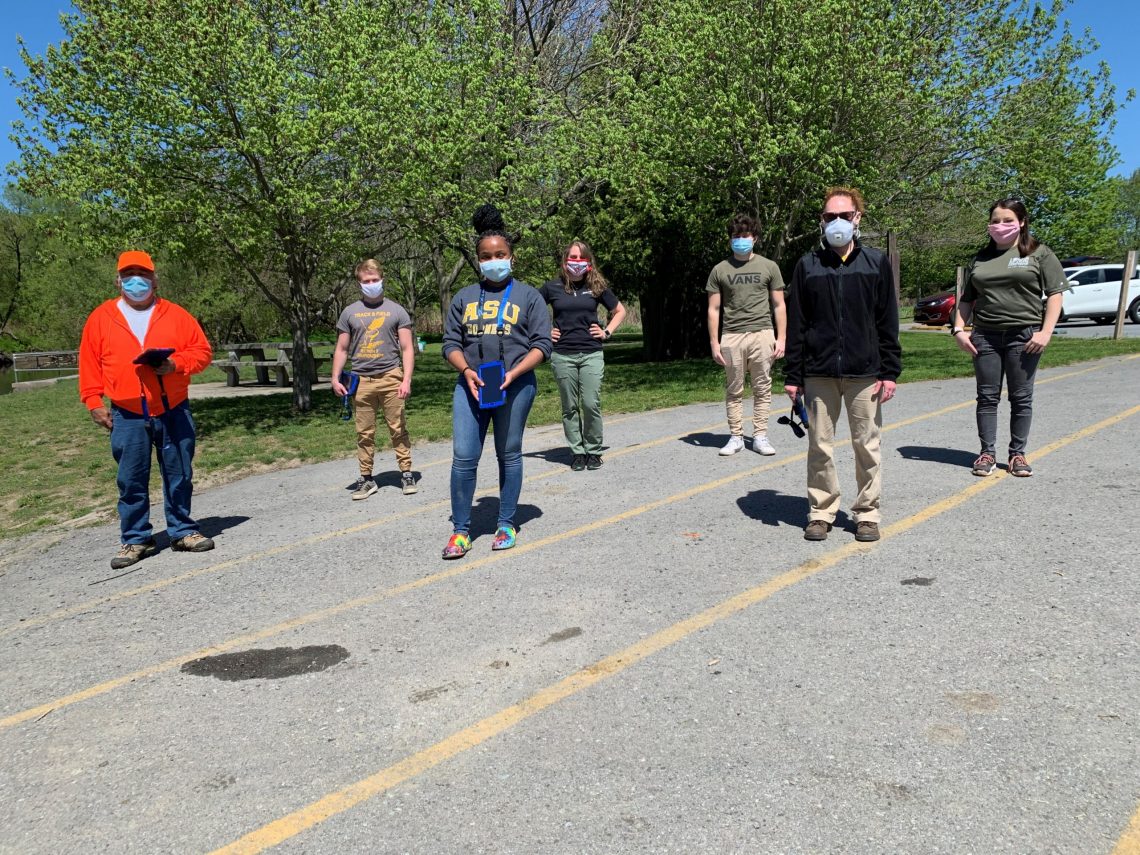
Want a summer job where you can get paid to protect the waters you enjoy?
Protector’s Activity: Family Friendly Invasive Species Activities
February 9, 2023
Learn of invasive species educational resources and activites you can enjoy with your family or students!

About the Cover: 2023 Winter Newsletter
February 1, 2023
New York’s PRISM network, in collaboration with the NYS DEC, many state agencies, and partners, is in a unique position to lead the way towards preventing and managing invasive species well beyond backyard conservation into largescale connected land and waterscapes.