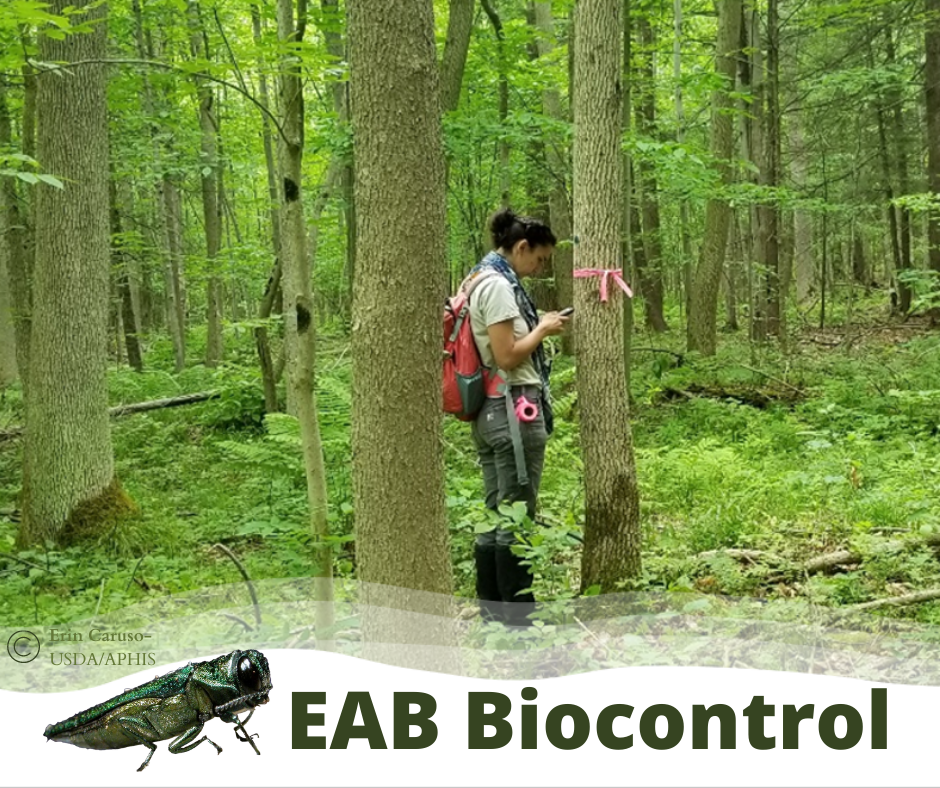
The SLELO region is part of an exciting pilot study that is investigating combining short-term systemic insecticides and long-term biological control to help preserve ash resources in black and green ash forests.
Emerald Ash Borer Biocontrol
March 2, 2021
Spotted Lanternfly In New York- Now What?
February 17, 2021
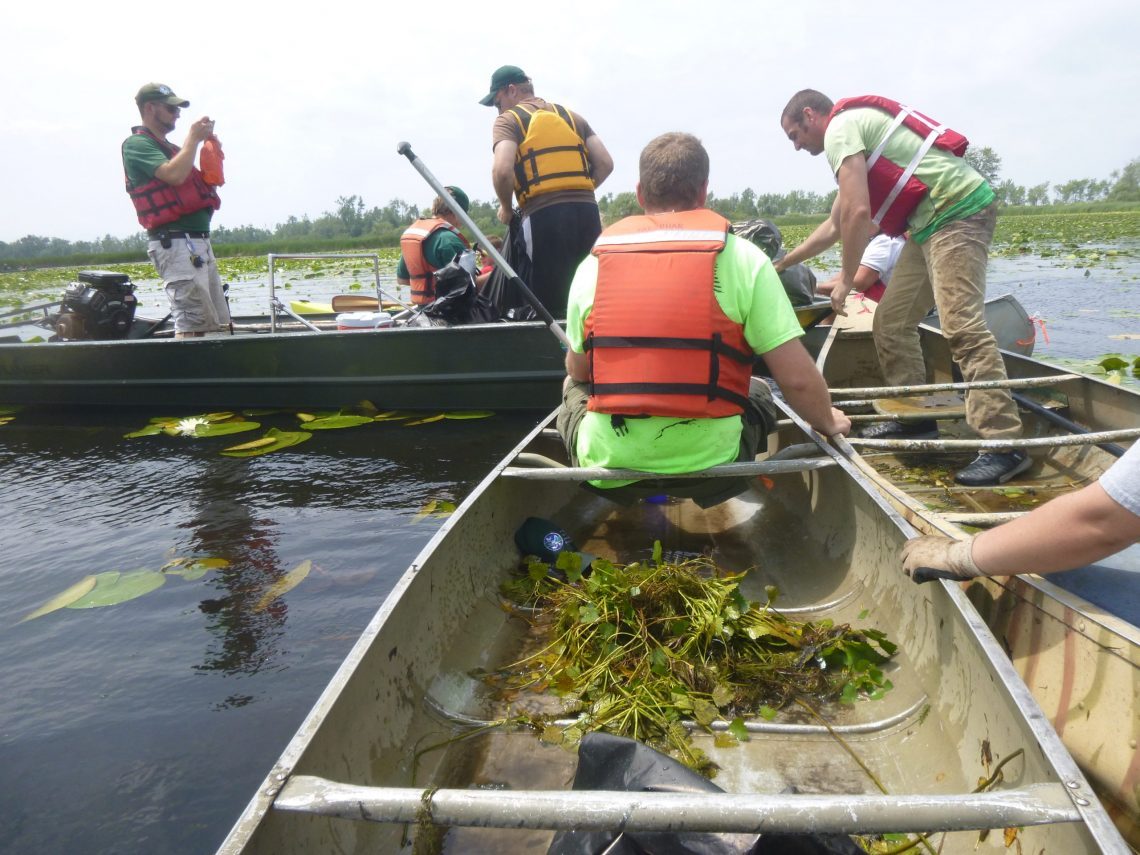
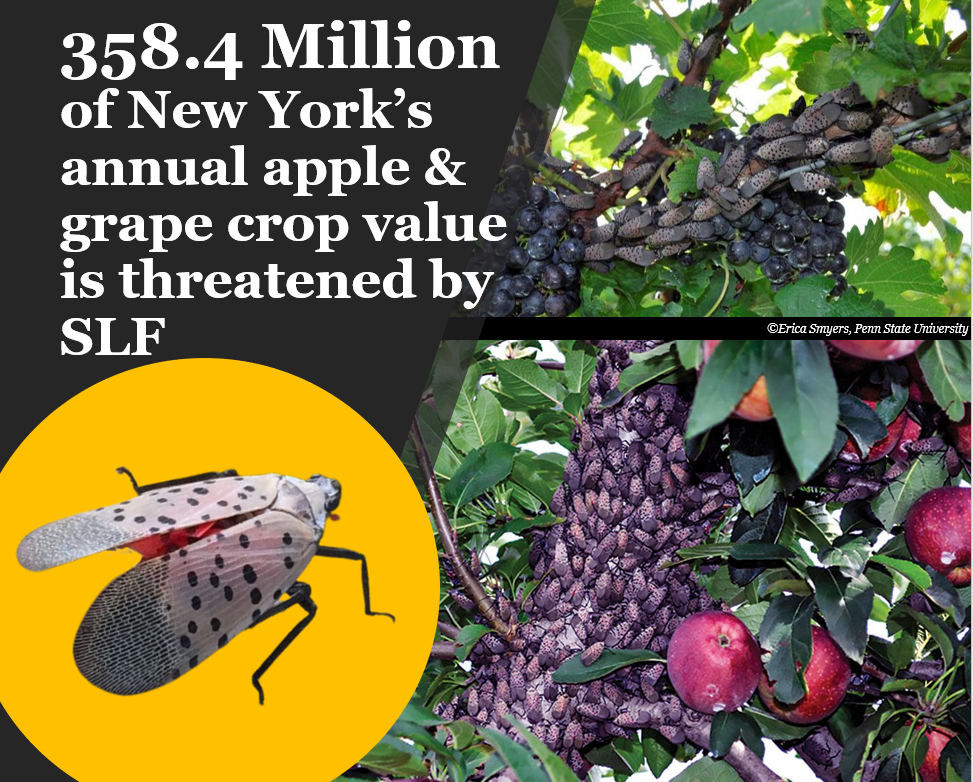
Spotted lanternfly feeds on nearly 70 different plant species including apple and grapes. Being that New York is the second largest apple producer and third largest grape producer in the US the state stands to loose $358.4 million in annual crop yields.
Aquatic Restoration Initiative Phase 1 Assessment Complete
February 16, 2021
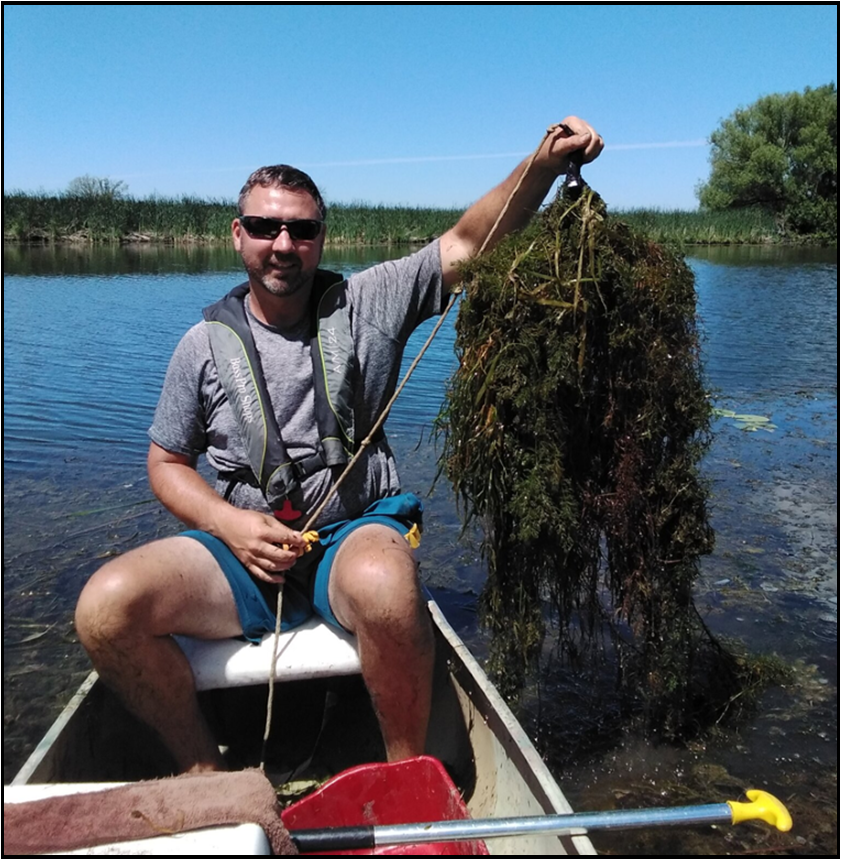
The first phase of this initiative, “Aquatic and Riparian Invasive Species Inventory and Habitat Assessment,” focused on three select tributaries in Eastern Lake Ontario—Sandy Creek, South Sandy Creek and Deer […]
Protecting Connected Landscapes
November 10, 2020
Connected landscapes are critical to sustaining diversity and resiliency in a changing climate.
Local Government Aquatic Invasive Species Toolkit
November 1, 2020
To assist local governments with navigating the regulatory framework associated with
high-risk priority aquatic invasive species.
Partner Spotlight
October 23, 2020
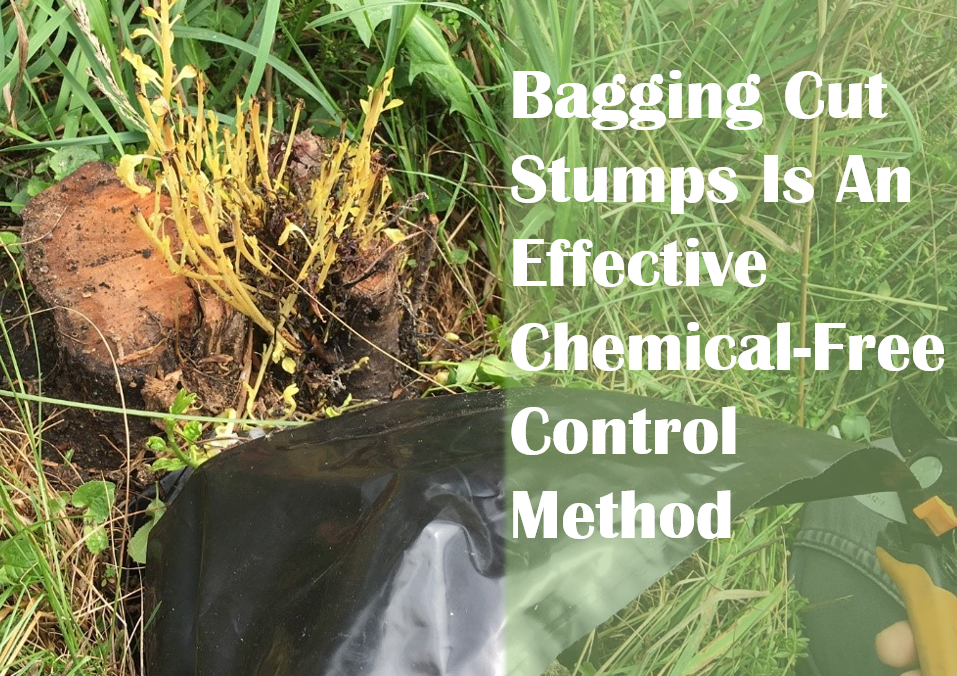
Our partners with the Office of Parks and Historic Preservation have Invasive Species Technicians that are aiding invasive species work throughout the Thousand Islands region. One of their projects involves controlling invasive buckthorn and honeysuckle using a chemical-free approach.
Tiered Species Showcase
October 21, 2020
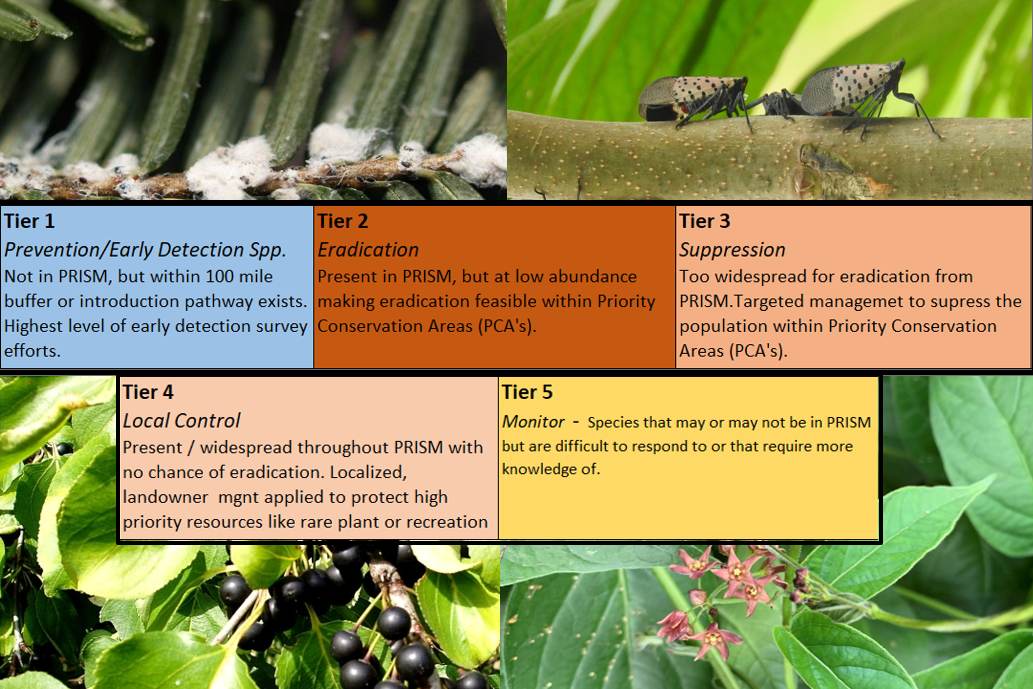
We’ve developed a Tiered Species List that is aimed to help better strategize management of invasive species in our region. The system categorizes species by known presence and feasible management approach’s: prevention, eradication, suppression localized control, and monitoring.
Early Detection Work
October 20, 2020
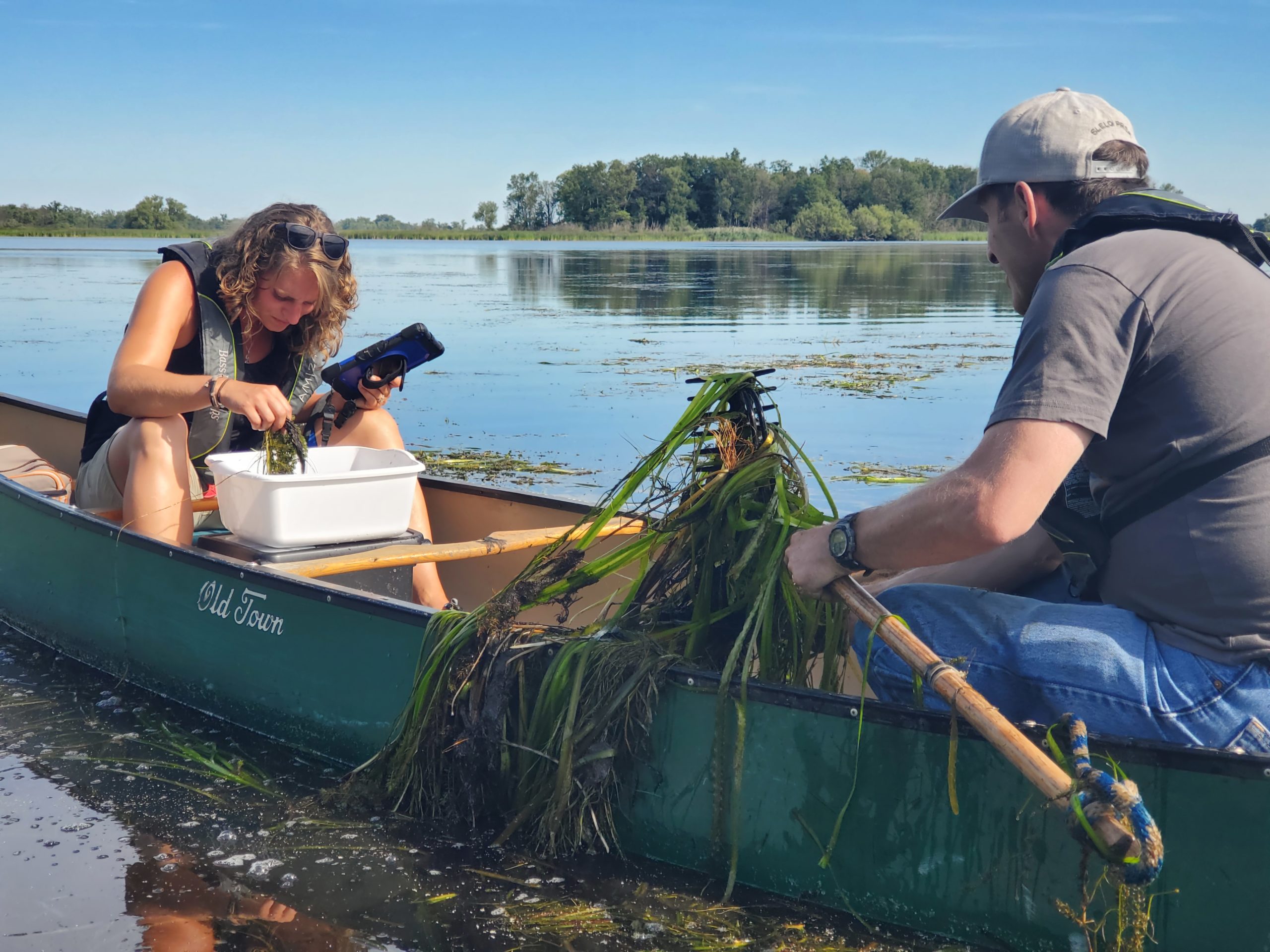
Early detection work is a core mission for SLELO PRISM. Learn how we’ve strenghtened our efforts.
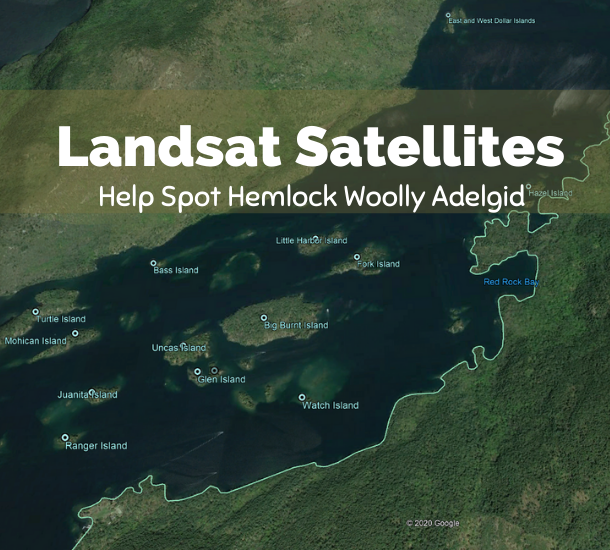
Using Satellites to Spot Hemlock Woolly Adelgid
October 16, 2020
Using advanced remote sensing technologies and computer modeling, hemlock woolly adelgid damage can be detected before significant defoliation or tree mortality occurs, allowing for the efficient deployment of rapid-response field crews to confirm infestations and develop treatment plans.

Prepare for Hemlock Woolly Adelgid
October 15, 2020
View Our Latest Newsletter The rapid response to the recent confirmed presence of HWA at Lake George was made possible due to the years of planning by APIPP, DEC, NYSHI, […]