Learn how 5.7 million acres are protected as a result of our invasive species prevention efforts.

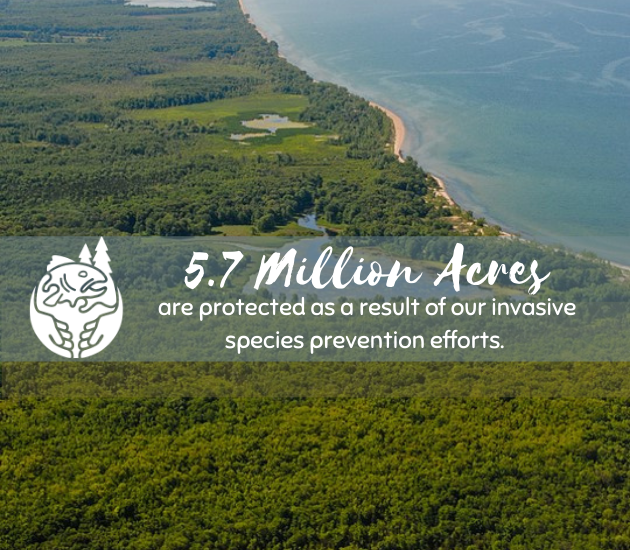
Protection at Scale
October 14, 2020
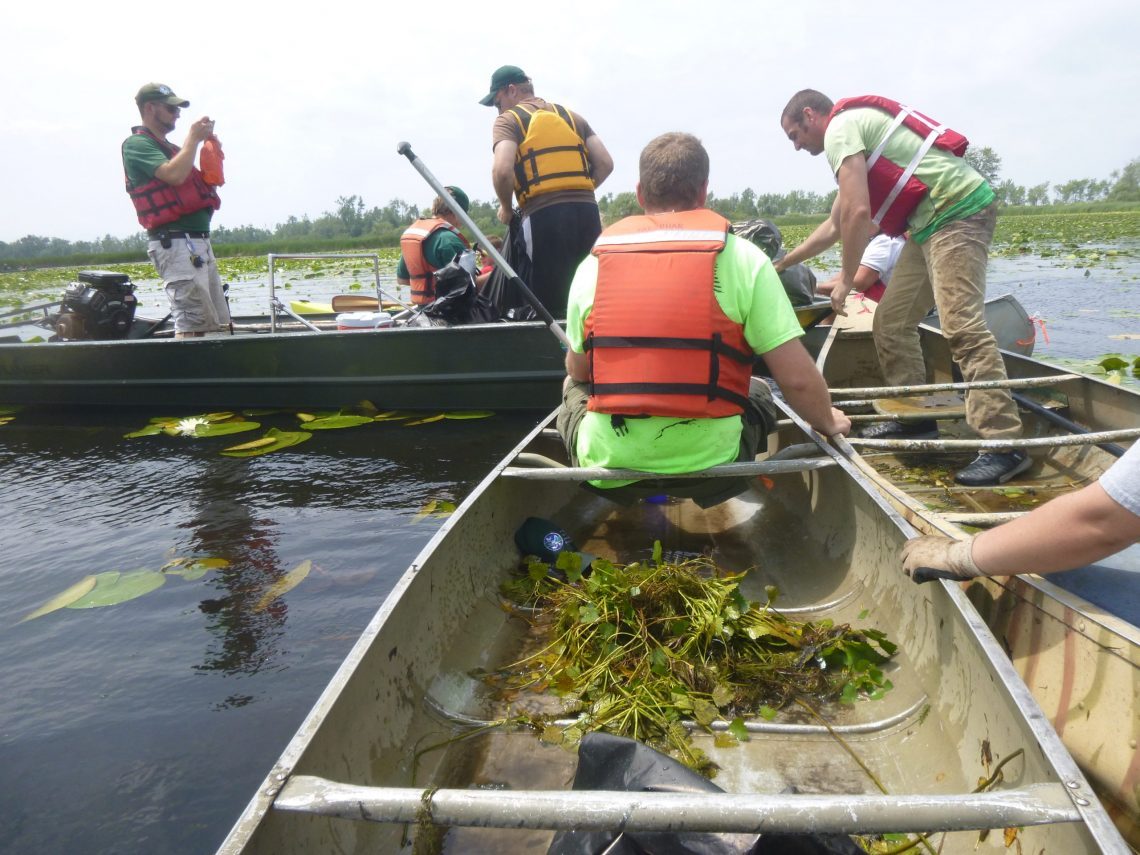
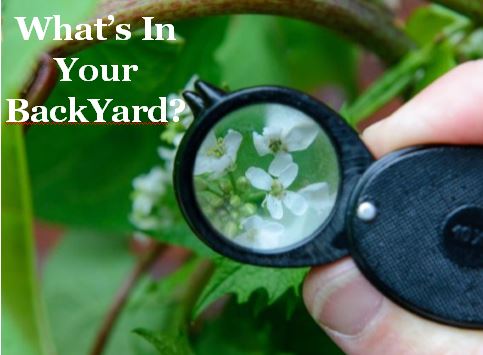
Volunteering for Nature
July 11, 2020
You can help protect your favorite wild and urban places by keeping an eye out for invasive species, reporting observations via iMapInvasives, and by taking steps to control invasives you find on your property.

Terrestrial Coordinator’s Update
July 10, 2020
As part of the effort to combat climate change and invasive species, SLELO PRISM is promoting our Urban Forest Sustainability Initiative, and aiding a restoration project on Tug Hill.
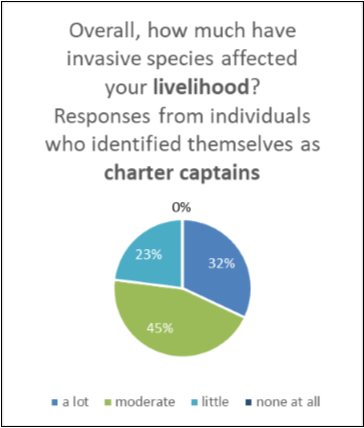
Invasives Role in Local, Regional & State Economies
July 9, 2020
Local and regional communities have been challenged with preventing and controlling invasive species or remediating their impacts at costs ranging from several thousand to millions of dollars.
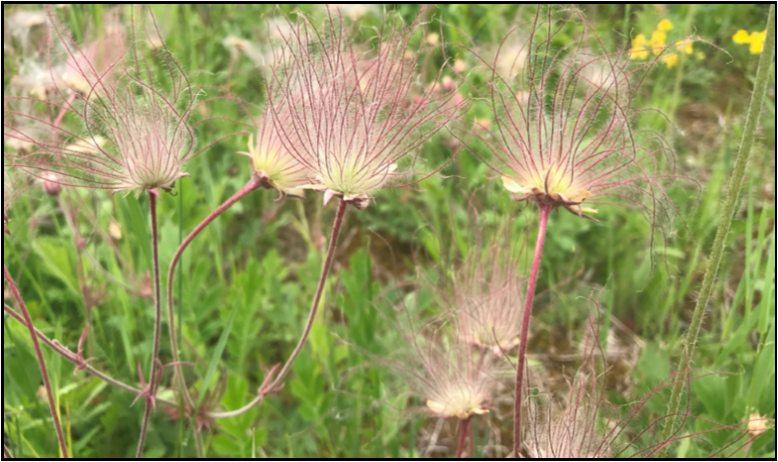
The Natives We Protect In Invasive Species Work
July 8, 2020
We know that invasive species negatively affect biodiversity and we know which invasive species we need to work on; however, it can be difficult to know exactly what you are protecting when you control invasive species.
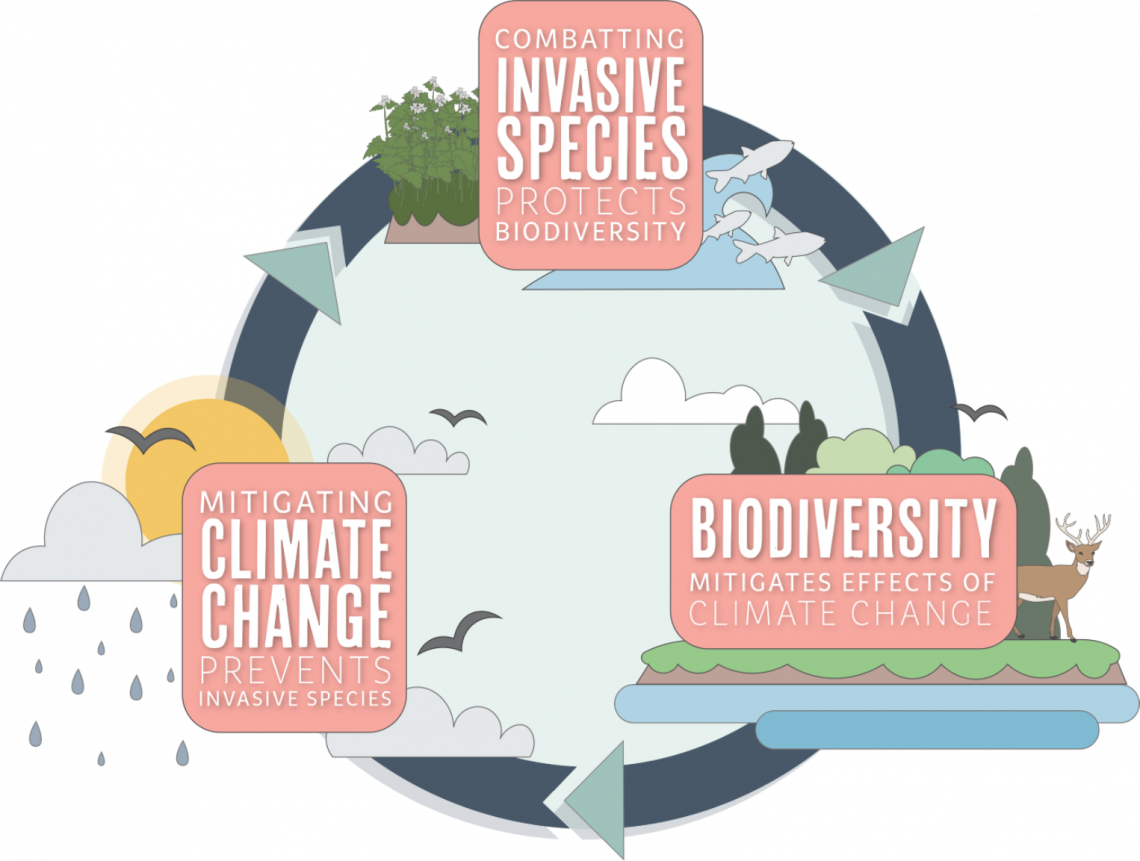
Reversing the Positive Feedback Loop
July 8, 2020
By combating invasive species, we are able to protect indigenous species, thus mitigating the effects of climate change and preventing new invasive introductions. Climate change presents an immense challenge to management but also an unparalleled opportunity…

Managers Memo
May 2, 2020
In the midst of our current global biological event, we have found new ways to work, drawn new analogies and experienced how relatively easy it is to reduce air pollution.
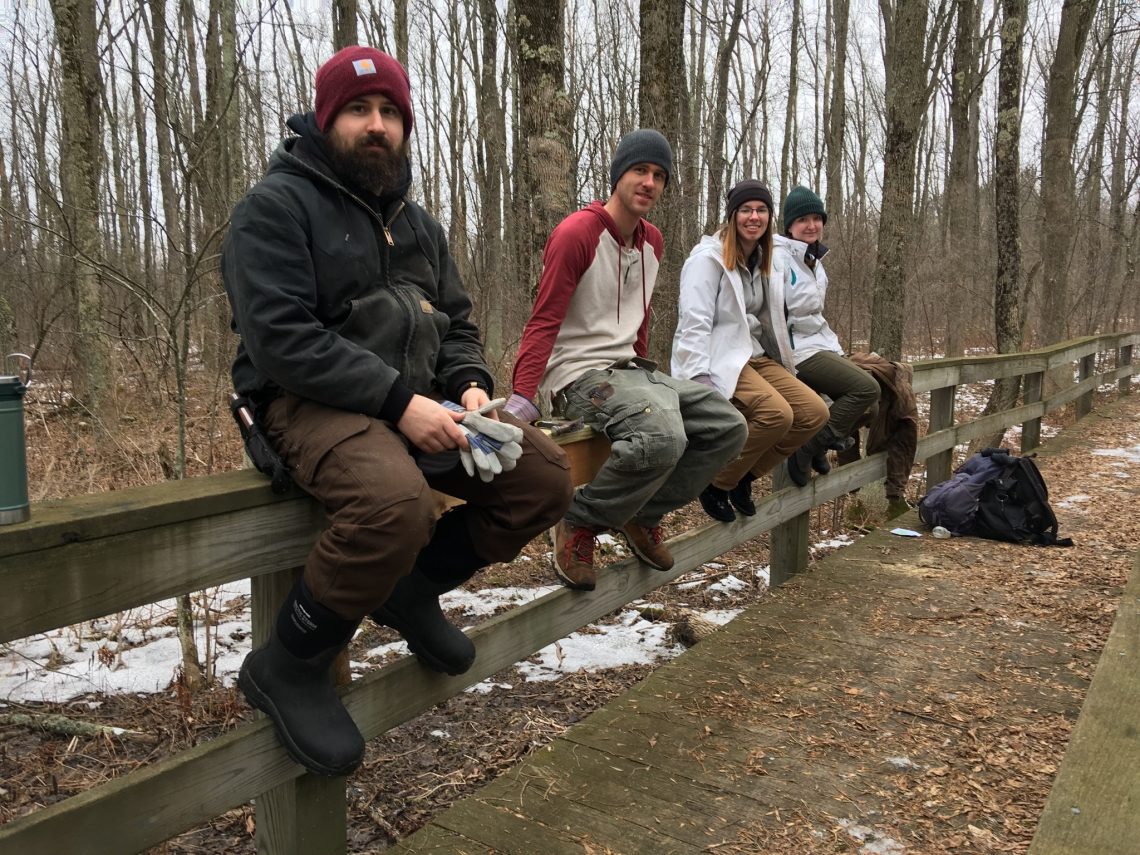
SLELO Partners Kick off Invasive Species Work
May 1, 2020
Student Conservation Association members through the Office of Parks Recreation and Historical Preservation are gearing up for a new season of invasive species work.
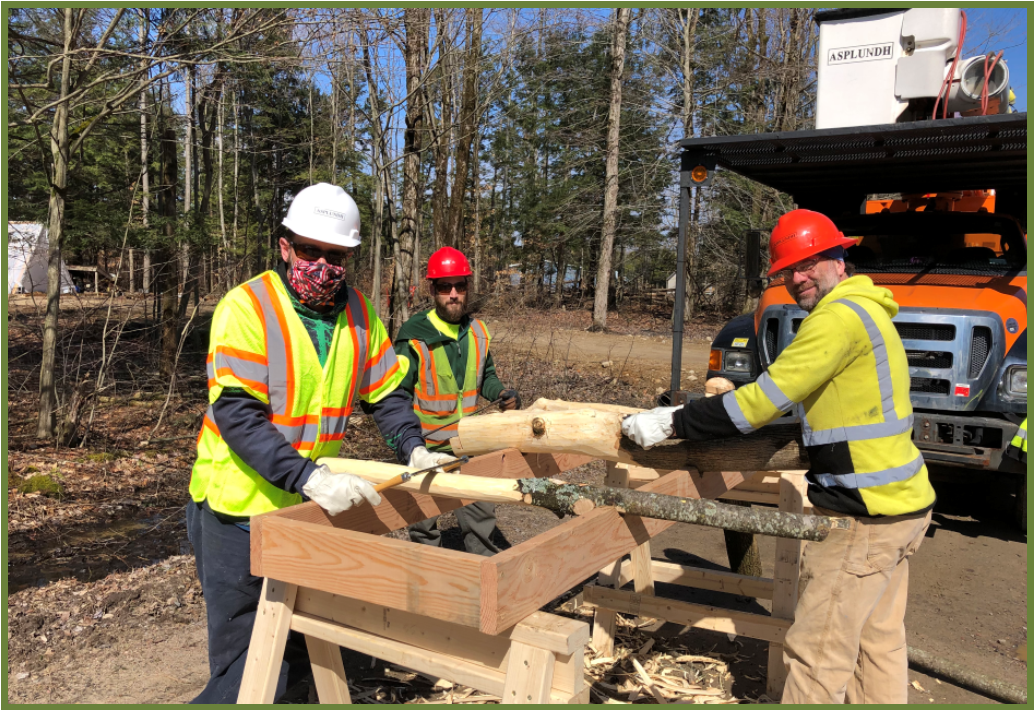
Using Sentinel Trees to Track Emerald Ash Borer
April 30, 2020
Girdling ash trees helps detect the presence of forest pest, emerald ash borer.
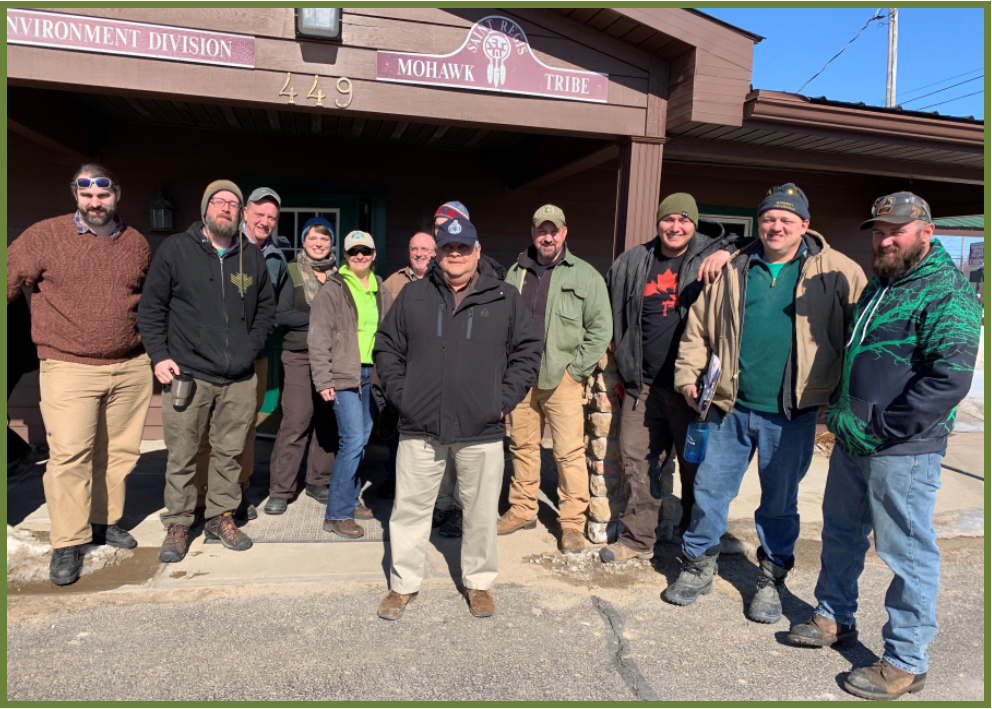
Partner Spotlight
April 29, 2020
Our partners, the St. Regis Mohawk Tribe are developing an integrated response to emerald ash borer. The response will include ways to mitigate impacts that EAB has on culturally significant black ash which is valued by the Tribe and used for traditional basket weaving.