Fall is an ideal time to tackle invasive woody plants on your property. As temperatures cool, many native plants begin going dormant, making invasive species easier to see and access. Woody plants also start moving nutrients into their root systems, which can make properly timed treatments more effective.
Moist autumn soil can make smaller plants easier to remove by hand, while cooler weather offers a comfortable opportunity to complete outdoor projects before winter. With the right approach, you can use the end of the growing season to manage invasive plants and make room for beneficial native species.
Fall Management Tips
Before beginning, correctly identify the invasive plant and research the recommended management method for that species. The best approach will depend on the plant, the size of the infestation and the surrounding habitat.
Remove Small Plants by Hand
Small seedlings and shrubs may be removed manually, especially when the soil is moist. Pull or dig carefully to remove as much of the root system as possible, as many invasive woody plants can regrow from roots left behind.
Use Cut-Stump Treatment for Larger Woody Plants
For larger invasive shrubs and small trees, cut the stem close to the ground and immediately apply an appropriate herbicide to the exposed vascular tissue around the outer edge of the stump. Applying the treatment promptly helps the plant absorb it before the cut begins to seal.
Always read and follow the product label, wear the recommended protective equipment and avoid applying herbicide when rain is expected.
Take Advantage of Late-Season Visibility
Some invasive plants remain green or hold fruit after surrounding native vegetation begins going dormant. This can make fall a helpful time to locate plants such as porcelain berry, invasive bittersweet and glossy or common buckthorn.
Mark larger infestations and create a plan if you cannot address everything at once. Removing fruiting plants before their seeds spread can help reduce future growth.
Monitor and Restore the Area
Invasive plant management is rarely completed in one season. Revisit treated areas to look for seedlings, resprouting stems or plants that may have been missed.
Once invasive plants have been removed, add suitable native species to help restore habitat, reduce open space where invasive plants could return and provide food and shelter for wildlife.
Disposal Guidelines
- Do not compost actively flowering or fruiting plants or bring to a transfer station that may compost the material.
- To reduce the chance of spreading, it is best to chip or burn removed stumps and debris on site.
- Be sure to remove any fallen fruits to avoid repopulating the treatment site. Laying a large tarp down to catch falling fruit at the removal site can be helpful.
- Vines that are tightly wrapped around the tree or located in the tree canopy should be cut at the base, left on the tree, and will eventually dry up and fall apart.
- View a full document of disposal guidelines.
A Native Plant to Consider: Serviceberry

Recommended by Danni Baker
Danni Baker is an organic farmer and forest gardener in Northern New York. She has created a one-acre “Enchanted Edible Forest” featuring more than 300 edible plants and is the author of The Home-Scale Forest Garden: How to Plan, Plant and Tend a Resilient Edible Landscape. She also stars in the eight-episode PBS series The Home-Scale Forest Garden.
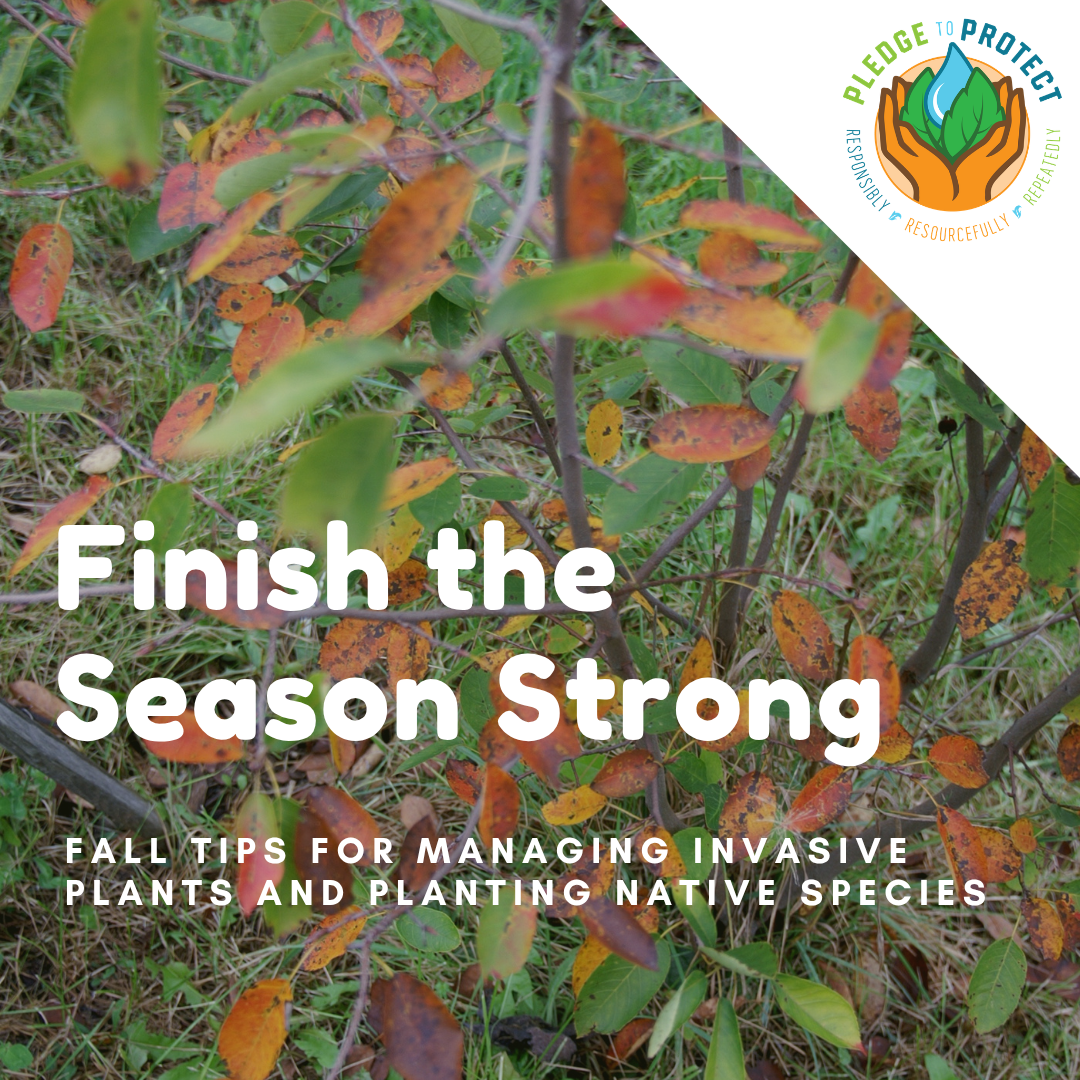
One of Danni’s favorite native plants is the serviceberry (Amelanchier species), also known as juneberry, shadbush or saskatoon.
“I planted several varieties in my edible forest for their lovely early-spring blooms, tasty berries that ripen in June and beautiful fall color. The flowers feed native pollinators early in the season, while the berries are favorites of birds. Serviceberries also tolerate drought and can even be found growing in crevices along the rocky ridges of our farm.”
Serviceberries offer interest across multiple seasons while supporting native wildlife. Their berries also have a long history of human use. Indigenous peoples traditionally combined dried serviceberries with dried meat and fat to make a nutrient-dense food known as pemmican.

Keep an Eye Out for These Invasive Plants

- Easiest to identify from late September-early November when the fruit is visible.
- Blue-purple-colored berries with a speckled porcelain-like shine.
- The Center of woody stems (pith) is white.
- The bark does not peel.

- Easiest to identify during the fall when the fruit is visible.
- Fruit with yellow capsules.
- Fruit growing along the stem (axillary fruit).

- Easily identifiable year-round.
- Holds leaves through the fall with an early spring leaf-out.
- Orange-colored sapwood.
- Distinctive thorns along the branches and terminal buds.
- Elongated dark brown buds.
Join a Fall Restoration Planting

Put these tips into practice during a Land Protectors Learning Experience restoration planting session. Participants will help plant native species while learning about local restoration efforts. Equipment and guidance will be provided. Times are tentative and subject to change.
Session 1
When: October 15, 9 a.m.–2 p.m.
Where: SLELO Field Office, 269 Ouderkirk Rd. Pulaski, NY
Session 2
When: October 16, 9 a.m.– 2 p.m.
Where: Selkirk Fen, meet at 269 Ouderkirk Rd. Pulaski, NY
Session 3
When: October 17, 10 a.m. – 3 p.m.
Where: El Dorado Preserve, Grand Jean Rd. Henderson, NY
Featured Tool: SLELO's Invasive Species Handbook

Not sure what is growing on your property? Use the SLELO Invasive Species Handbook to identify invasive plants, learn about their impacts and review recommended management methods.
In Case You Missed It: Protect Pollinator Habitats

Fall planting is an opportunity to create healthier habitat for pollinators. Replacing invasive plants with native flowers, shrubs and trees can provide the food and shelter that bees, butterflies and other beneficial insects need throughout their life cycles.
Revisit our guide for tips on choosing native plants, reducing pesticide use and creating welcoming spaces for pollinators.
Did you enjoy this blog post? Take our Pledge to Protect and get monthly emails showcasing actions you can take to protect your favorite hiking trails, paddleways, forests, garden, and community from the impacts of invasive species!
Take the Pledge to Protect
The Pledge-to-Protect is a fun, positive, inviting, engaging and rewarding way to participate in invasive species prevention and management.
|
|


