Get the latest terrestrial updates regarding HWA, field surveys, management and restoration efforts.


2026 Spring Terrestrial Updates
April 30, 2026
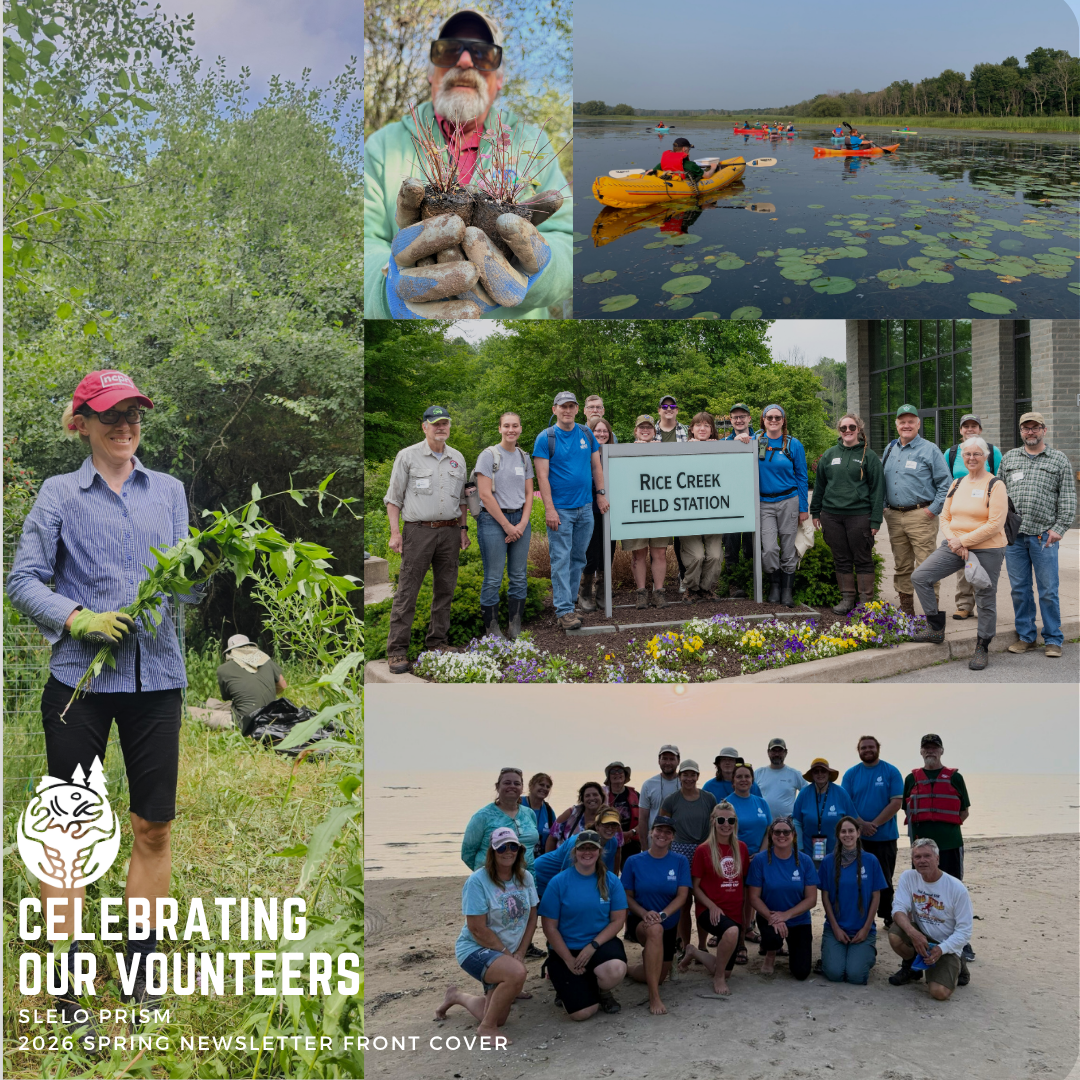

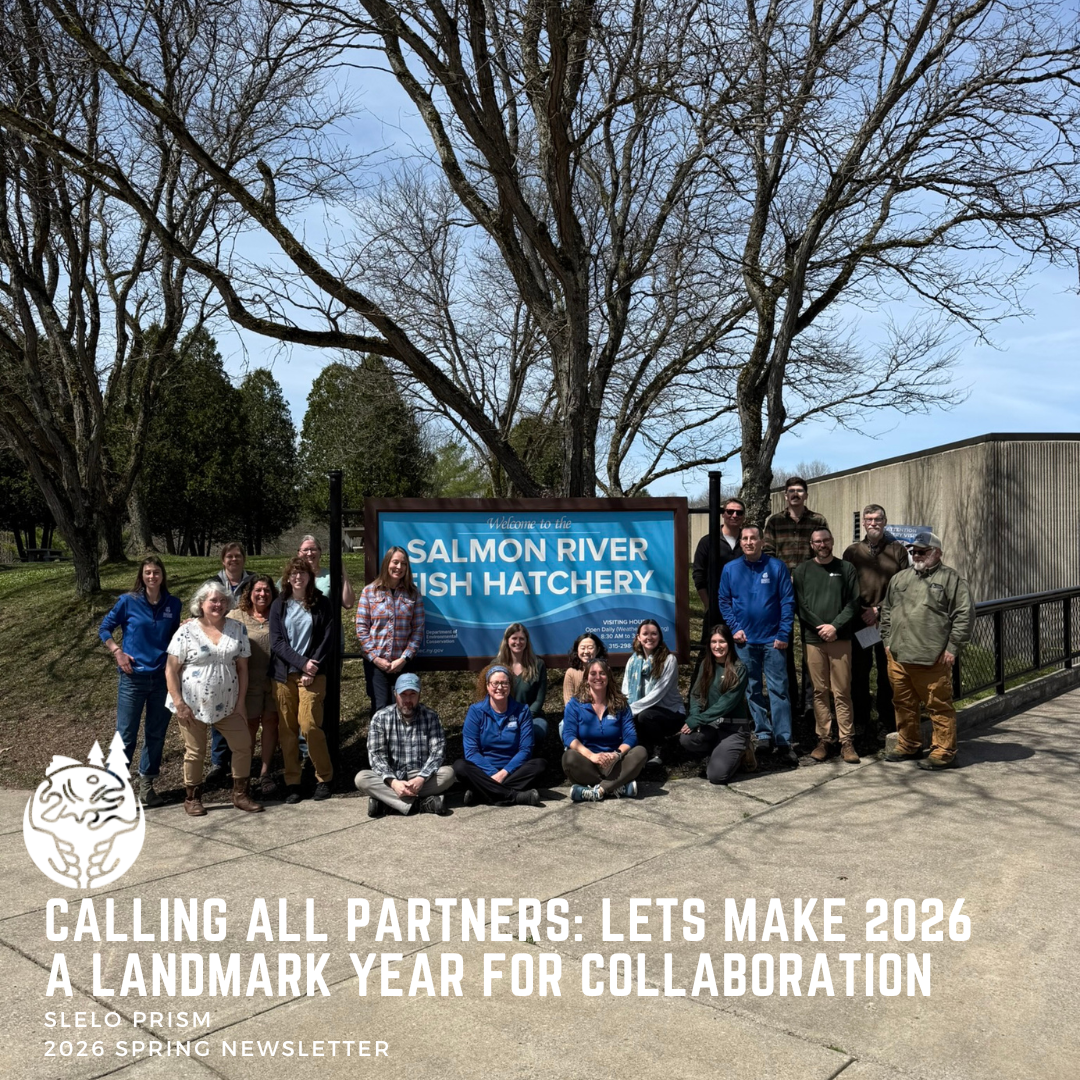
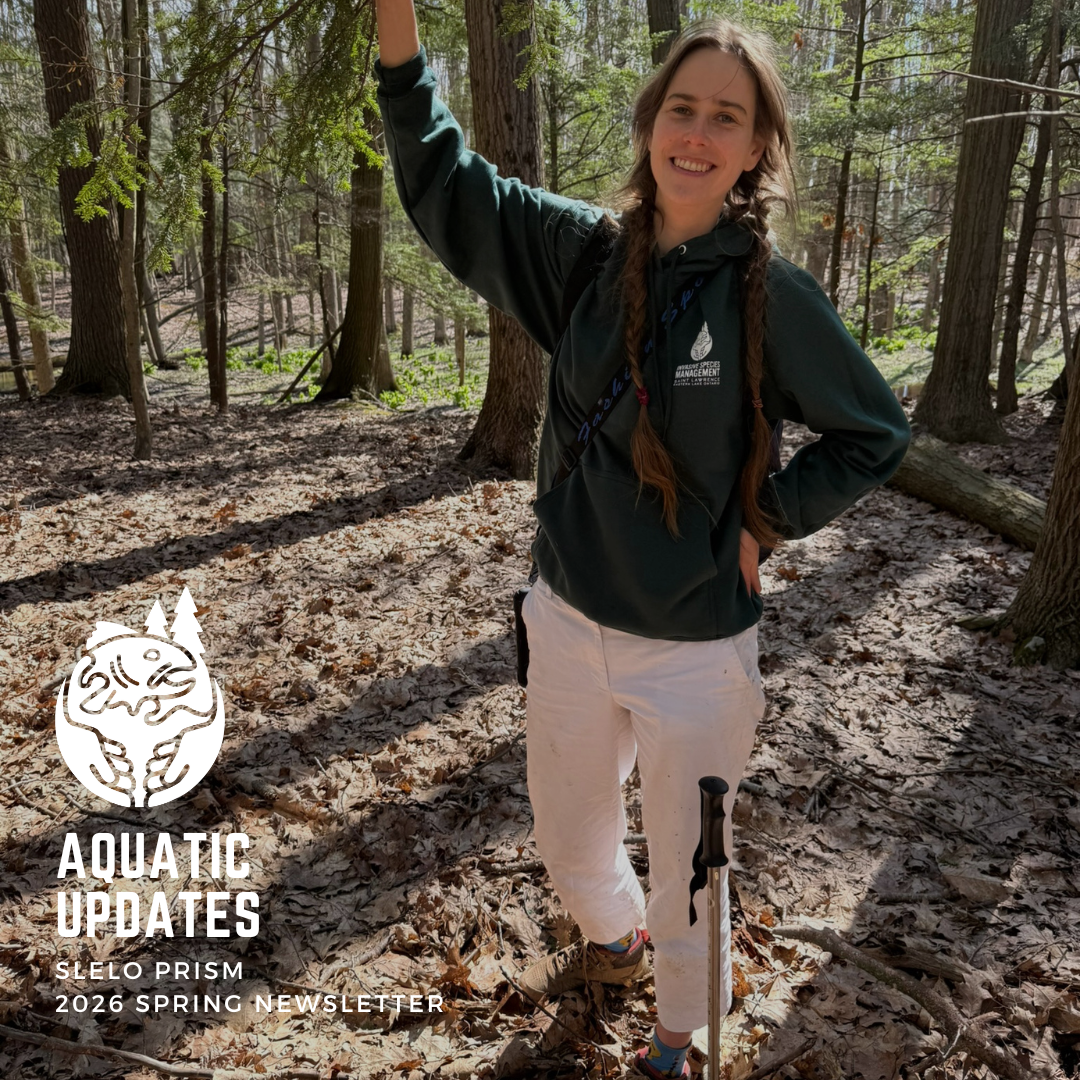
2026 Spring Aquatic Updates
On the horizon for the 2026 field season are early detection surveys, learning opportunities, removals and an exciting aquatic plant restoration pilot project.
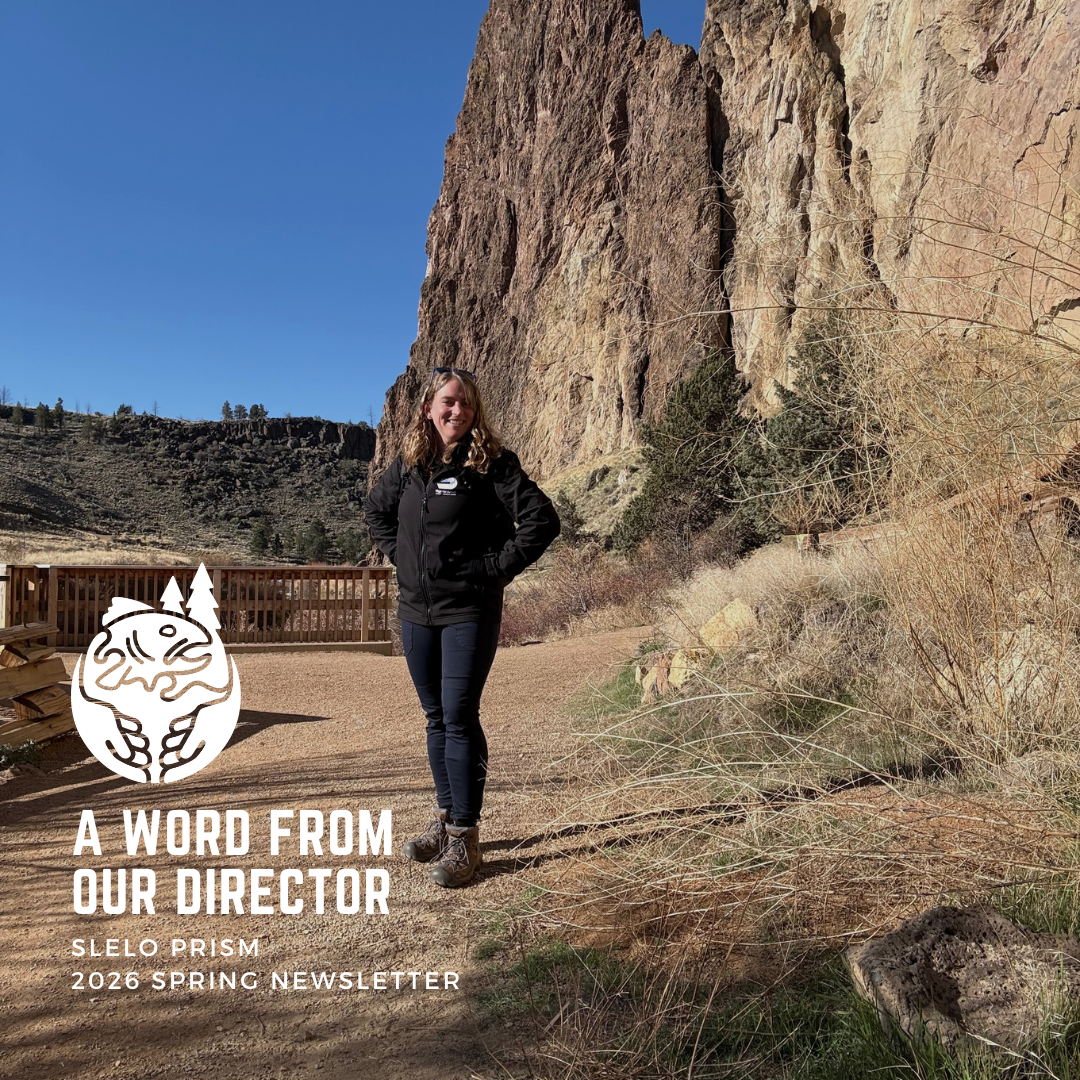
A Word From Our Director: 2026 Spring Newsletter
Spring has brought a renewed sense of energy and optimism that SLELO PRISM is brining into our work. We have an exciting year ahead and look forward to collaborating with our partners!
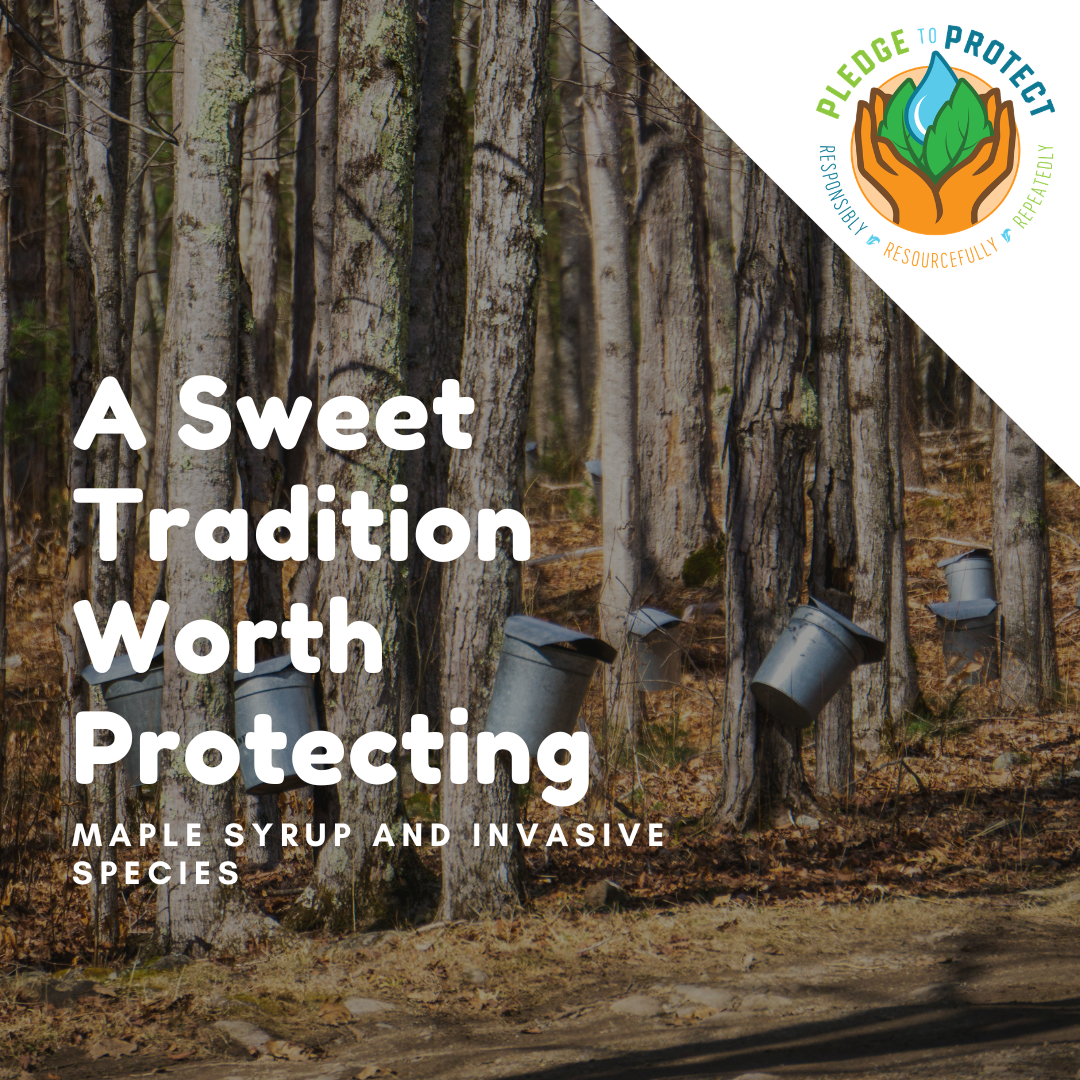
A Sweet Tradition Worth Protecting: Maple Syrup and Invasive Species
March 10, 2026
March is maple syrup month, and who doesn’t enjoy some delicious maple syrup on some nice fluffy pancakes. Check out this Protector’s blog to learn of invasive pests that threaten maple syrup production.
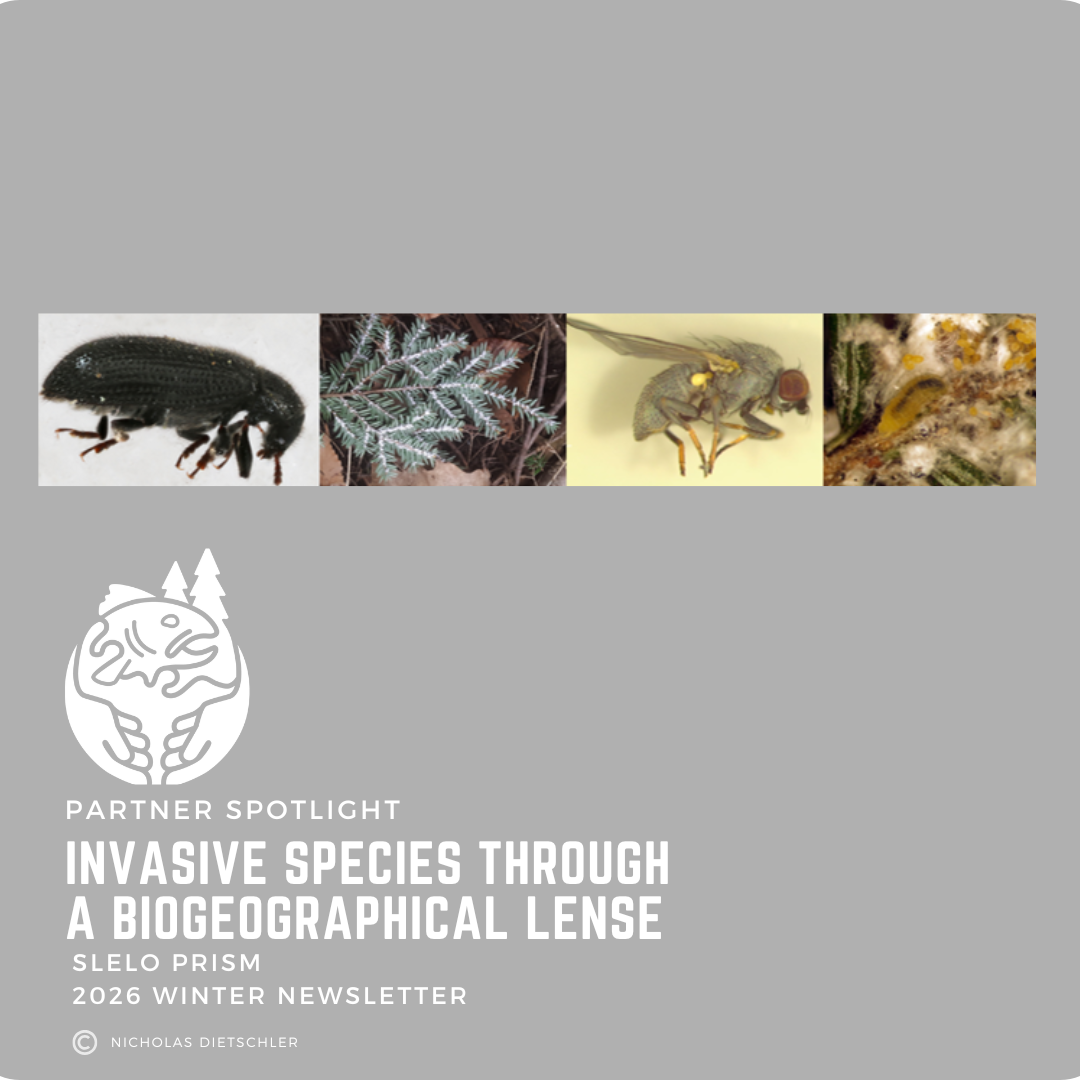
Invasive Species Through a Biogeographical Lens
February 24, 2026
Understanding why invasive pests behave differently across regions requires looking beyond their invaded range and examining their ecology at home. Recent research on hemlock woolly adelgid (HWA) in its native western North American range reveals how predator-prey dynamics shape potential biocontrol strategies. By studying multi-trophic interactions, researchers can better predict how multiple predators may perform when introduced in the East. These insights strengthen biological control programs and offer valuable lessons for managing other invasive forest pests.
2026 Winter Terrestrial Updates
February 24, 2026
The 2025 field season revealed 14 Tiered invasive species across 113 surveyed sites, with common buckthorn and honeysuckle topping the list. As we enter 2026, hemlock woolly adelgid (HWA) survey efforts have expanded to 14 locations, including a new site at Pixley Falls State Park. Recent trainings and collaborative surveys continue to build local capacity for early detection. This spring, HWA mortality surveys will help assess winter impacts and guide management strategies moving forward.
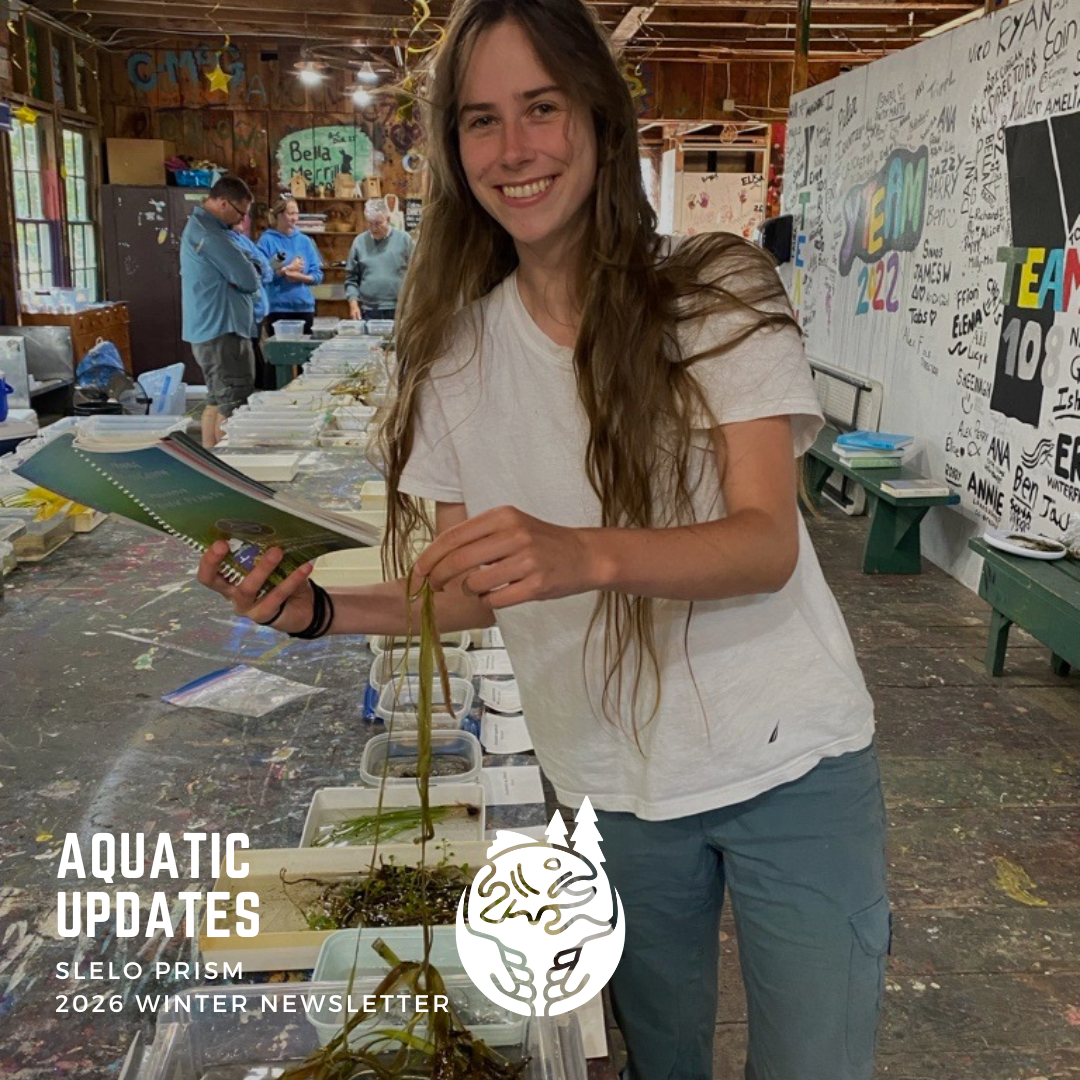
2026 Winter Newsletter: Aquatic Updates
February 24, 2026
SLELO’s aquatic restoration work continues to grow through hands-on education, regional collaboration, and targeted invasive species management. In 2025, our AISLE training series helped 17 new Water Protectors adopt 12 waterbodies for monitoring and reporting. We are also expanding aquatic invasive species control efforts, including water chestnut removals and new planning for Fanwort management. Looking ahead to 2026, we aim to pilot aquatic plant restoration in partnership with SUNY Oswego to support healthy, resilient waterways.
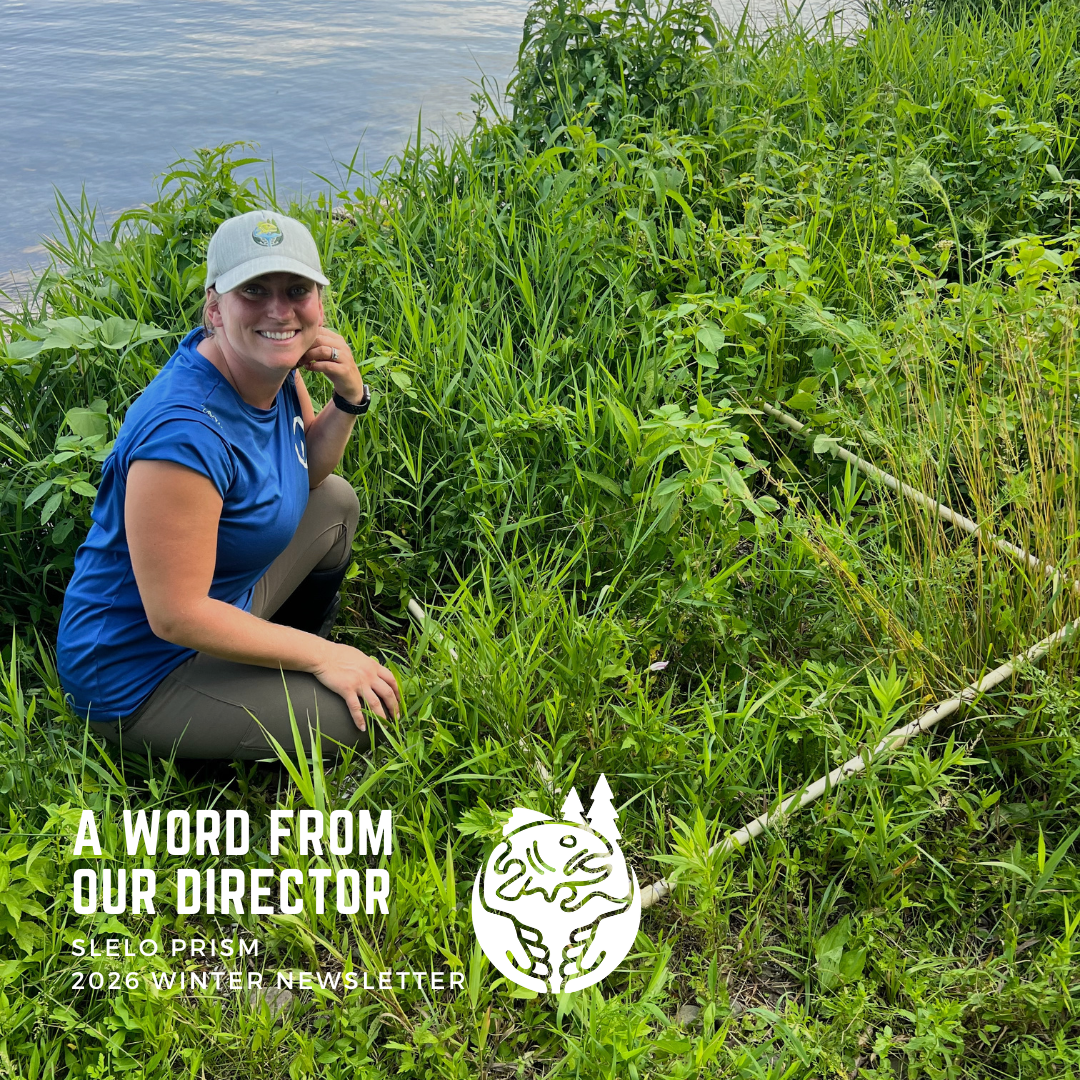
A Word From Our Director: 2026 Winter Newsletter
February 24, 2026
As we move through the winter season, it’s a meaningful time to reflect on the progress we made together in 2025 and to look ahead with renewed purpose. This past year, our collective efforts strengthened ecological resilience across the SLELO region, ranging from expanded early detection networks to impactful restoration at our Priority Conservation Areas. These accomplishments highlight the dedication of our staff, partners, and volunteers and demonstrate the power of collaboration. As we embark on 2026, we do so with momentum, clarity, and a shared commitment to protecting the lands and waters we cherish.

Reflecting on 2025 Accomplishments
February 11, 2026
SLELO PRISM made significant strides in strengthening the ecological resilience of the St. Lawrence Eastern Lake Ontario region. Through collaborative efforts in prevention, monitoring, management, restoration, and community engagement, we advanced our mission to protect native ecosystems and stay ahead of emerging environmental threats.
We invite you to explore these achievements in detail in our 2025 Annual Report. As we move into 2026, continued partnership, community involvement, and science driven action will be essential to sustaining a healthy, resilient, and connected region for generations to come.

Understanding SLELO’s Tiered Approach to Invasive Species Management
February 11, 2026
New York’s PRISM Network uses a Tiered List approach to guide invasive species management based on abundance, spread, and feasibility of action. SLELO refines this statewide framework into a focused regional priority list that helps partners act strategically. Species span the full invasion curve—from prevention targets like Hydrilla to management-driven species like knotweeds and HWA. This data-driven approach ensures that limited resources achieve the greatest ecological benefit.