Our Aquatic Invasive Species Learning Experience (AISLE) has empowered over 100 participants to protect New York’s freshwater ecosystems. Through hands-on learning and the Water Protectors initiative, volunteers are adopting local waterbodies, monitoring for invasive species, and building a community of informed stewards. With year three on the horizon, AISLE continues to grow—and you’re invited to join the movement!
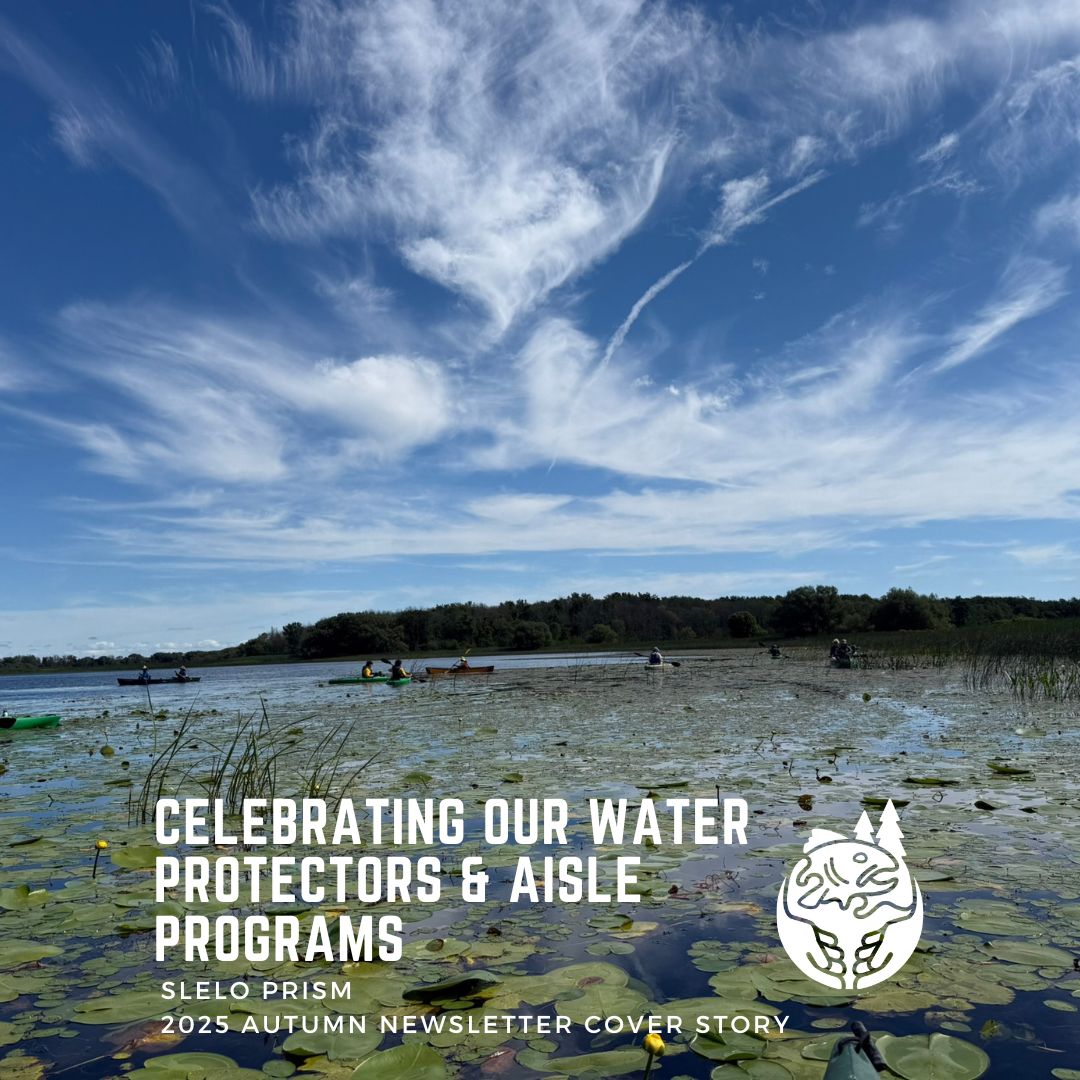
Celebrating our Water Protectors and AISLE Program
November 10, 2025
Funding and Research Opportunities
November 10, 2025
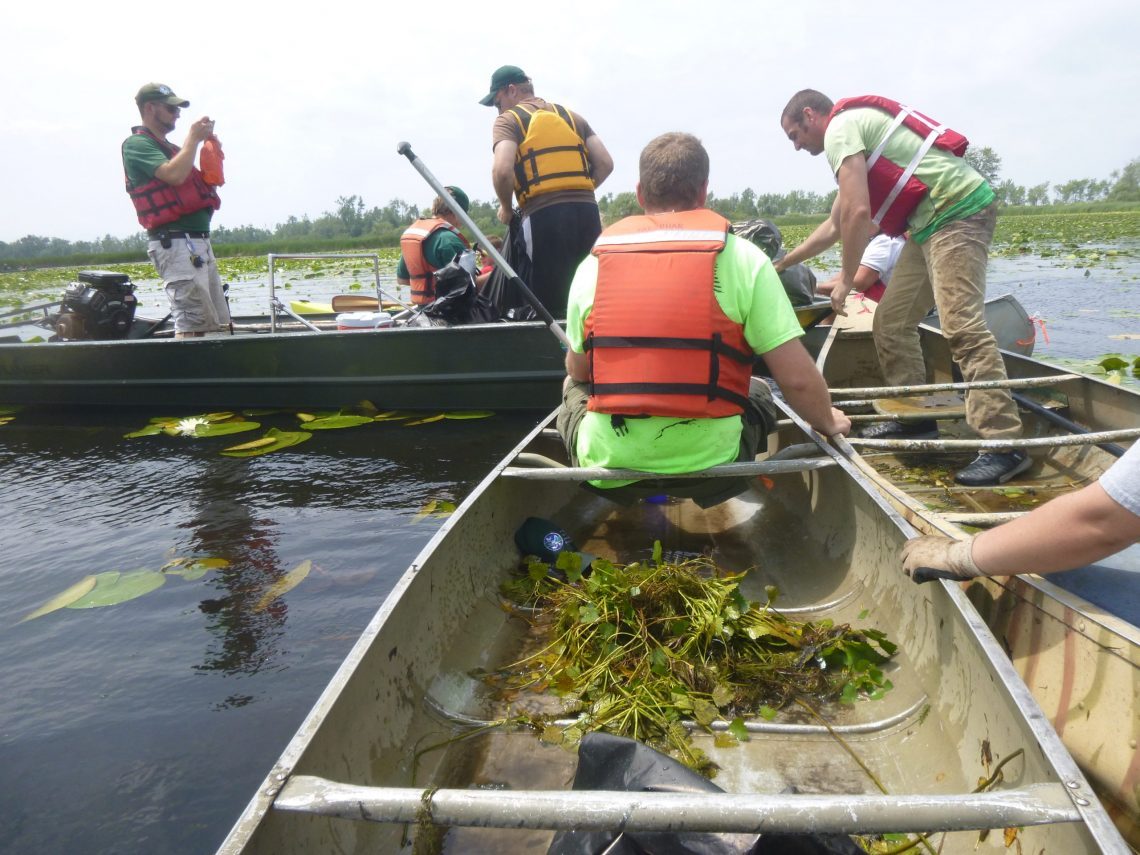
New York State is offering exciting funding and research opportunities to support environmental conservation and invasive species management.
A New Landscape Pest: Box Tree Moth
November 10, 2025
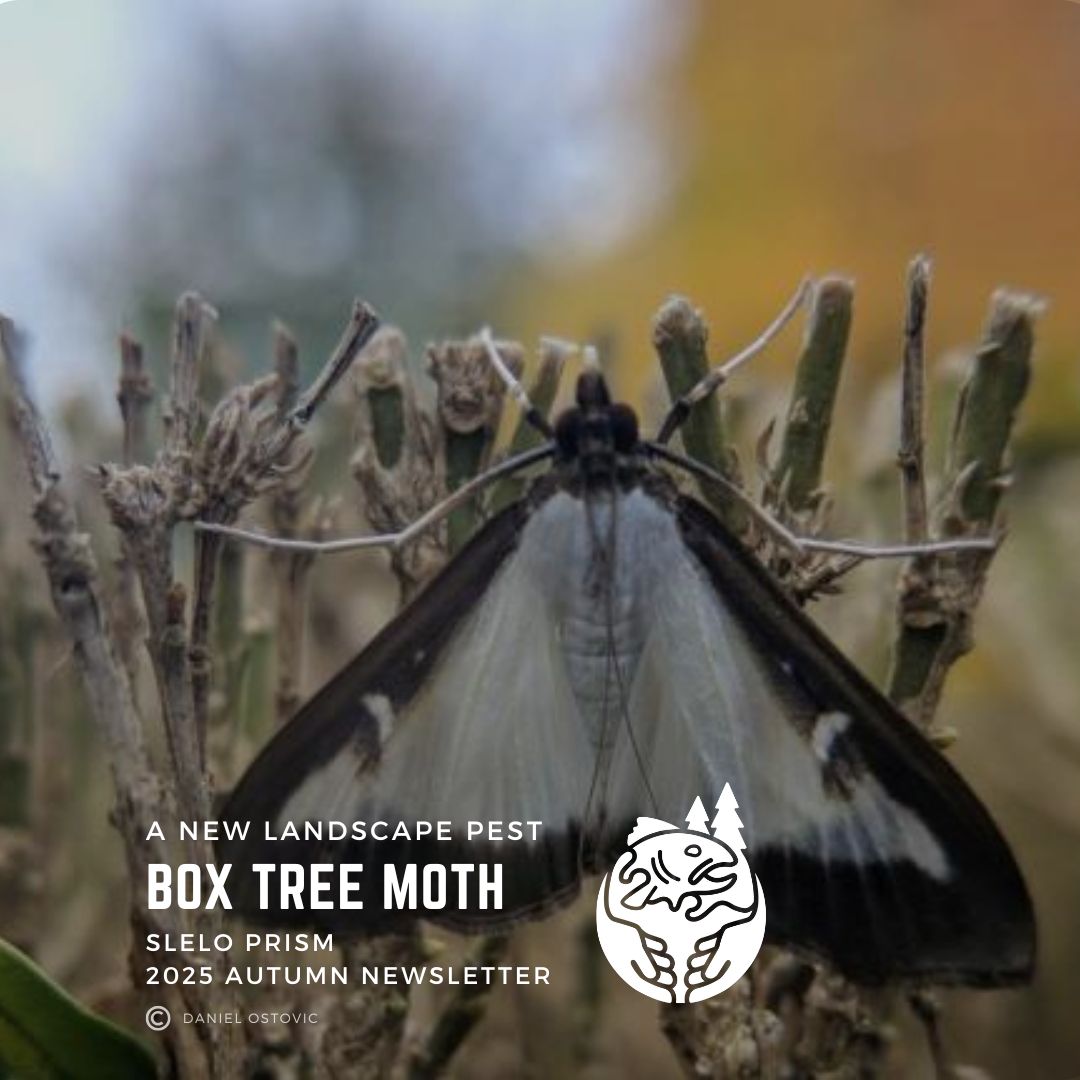
Gardeners and landscapers in the St. Lawrence and Eastern Lake Ontario region should be alert—box tree moth is on the move. First detected in New York in 2021, this invasive pest can defoliate and kill boxwood shrubs within weeks. Its caterpillars hide deep in the foliage, making early detection critical. Cornell IPM offers resources for identifying and managing this pest, including organic treatment options and alternative plant suggestions.
Partner Spotlight: Reforestation Taking Place in Jefferson County
November 10, 2025
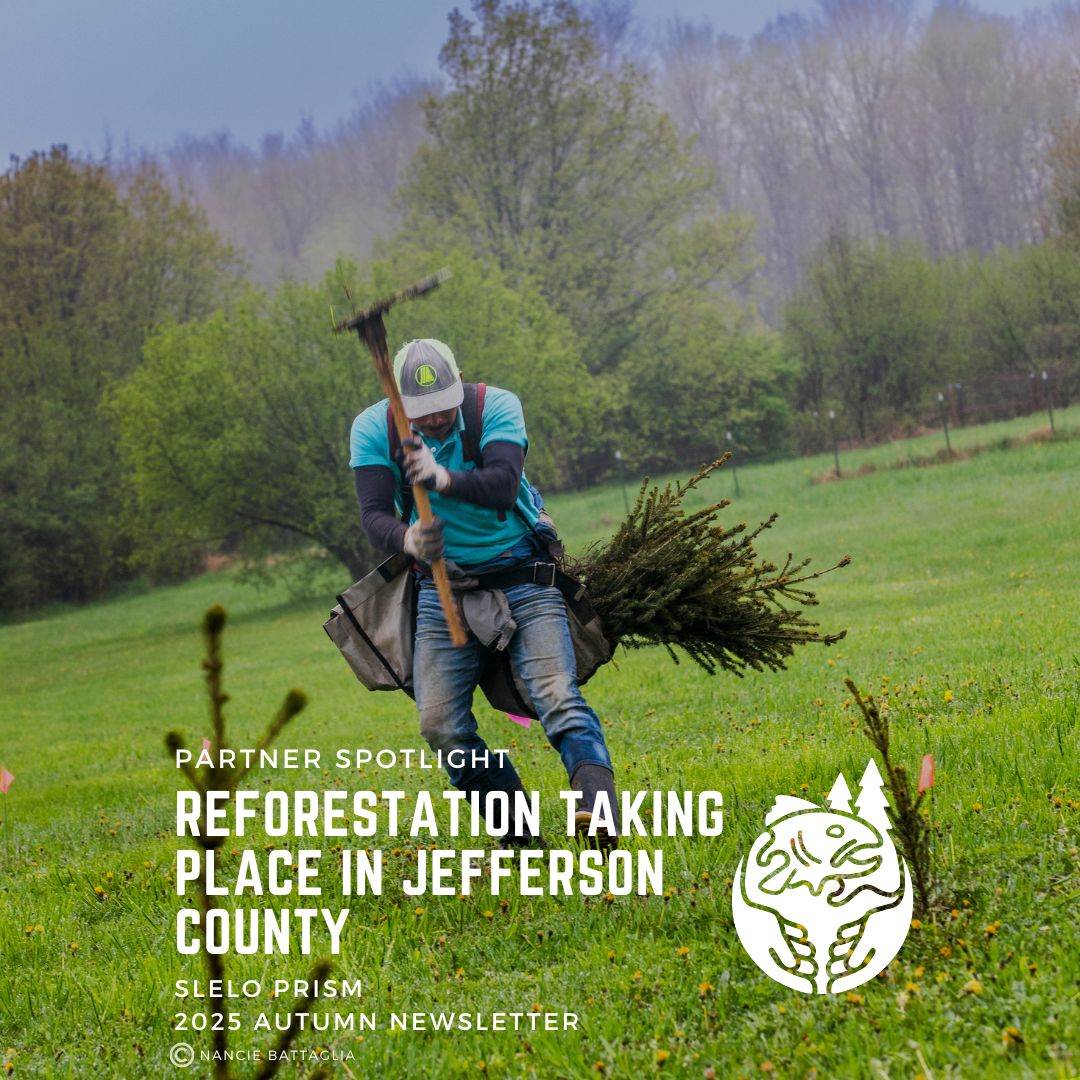
The Nature Conservancy, in partnership with the Jefferson County Soil and Water Conservation District, is leading a bold reforestation effort in Jefferson County—one of New York’s top areas for tree planting. As part of the state’s goal to plant 680 million trees by 2040, this collaboration is testing innovative landowner incentives and planting strategies to scale up reforestation, restore ecosystems, and fight climate change.
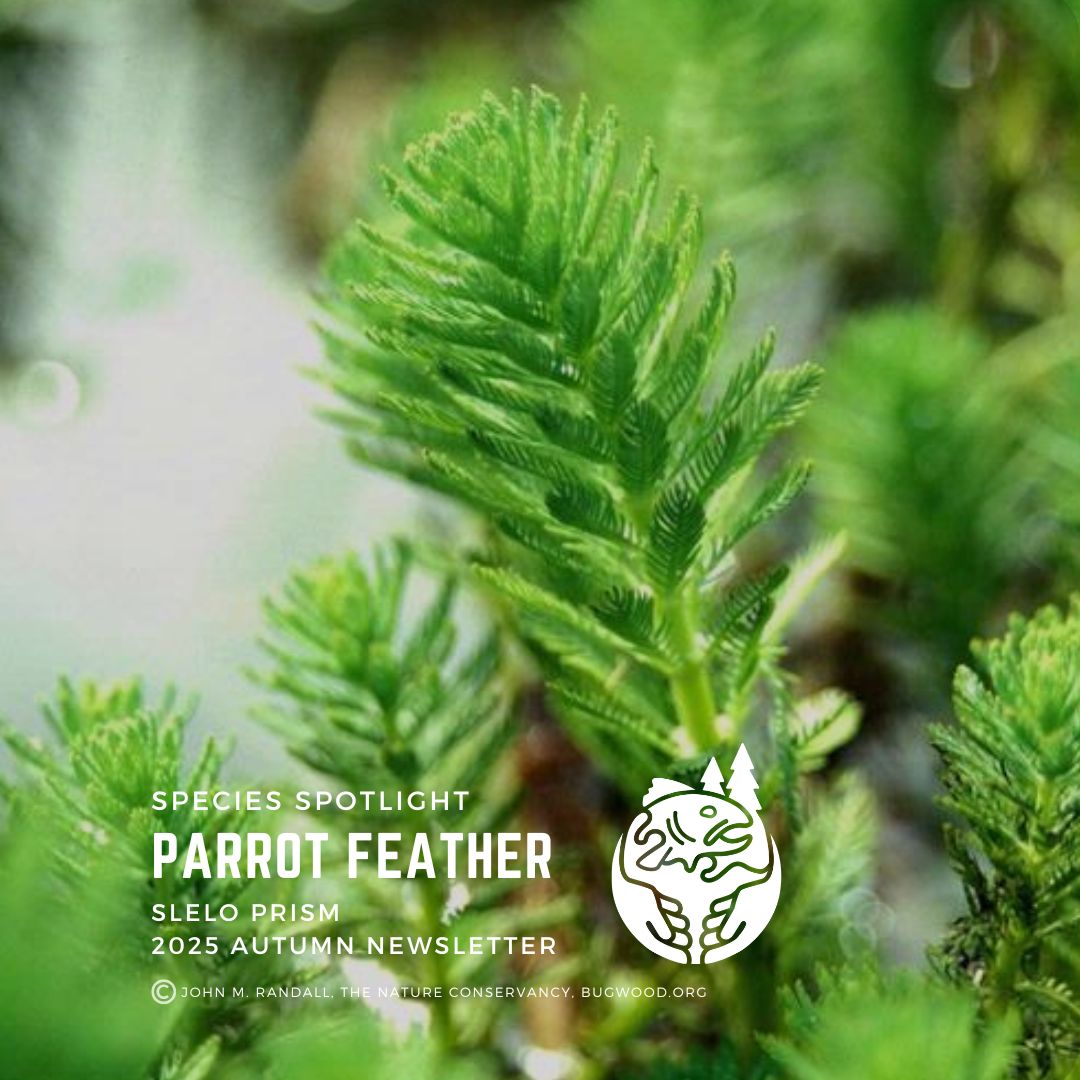
Species Spotlight: Parrotfeather
November 10, 2025
Parrotfeather (Myriophyllum aquaticum) may look stunning in garden ponds, but this invasive aquatic plant is spreading rapidly across North America. With its feathery foliage and ability to form dense mats, it outcompetes native species and disrupts ecosystems. Recently detected in Onondaga County, early action is key to preventing its costly spread and protecting New York’s waterways.
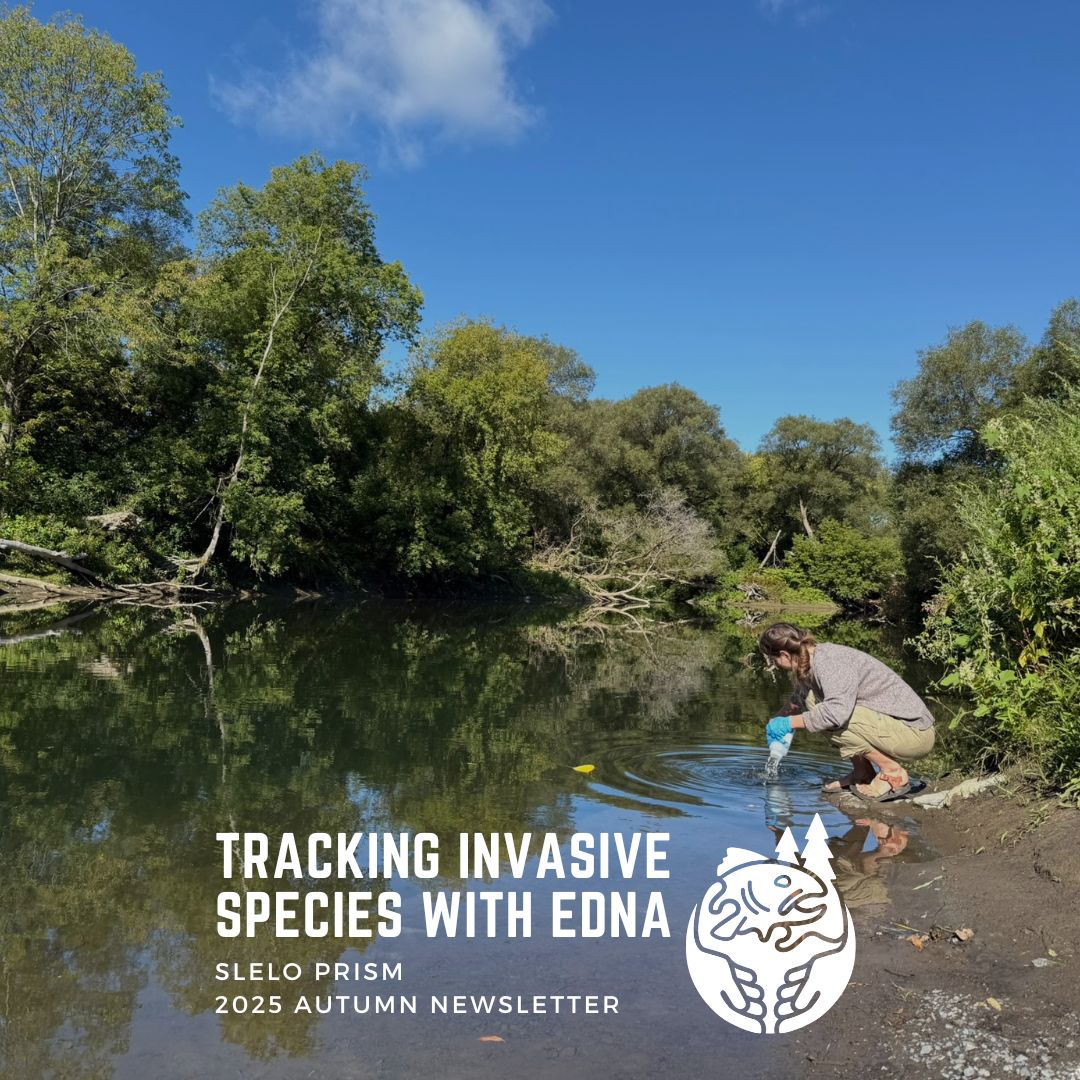
Tracking Invasive Species with eDNA
November 10, 2025
Researchers at SUNY Oswego’s Aquatic Conservation Laboratory are teaming up with SLELO PRISM to track invasive species in the Lake Ontario watershed using eDNA technology. This innovative approach helps detect threats early—before they spread—boosting efforts to protect native ecosystems.
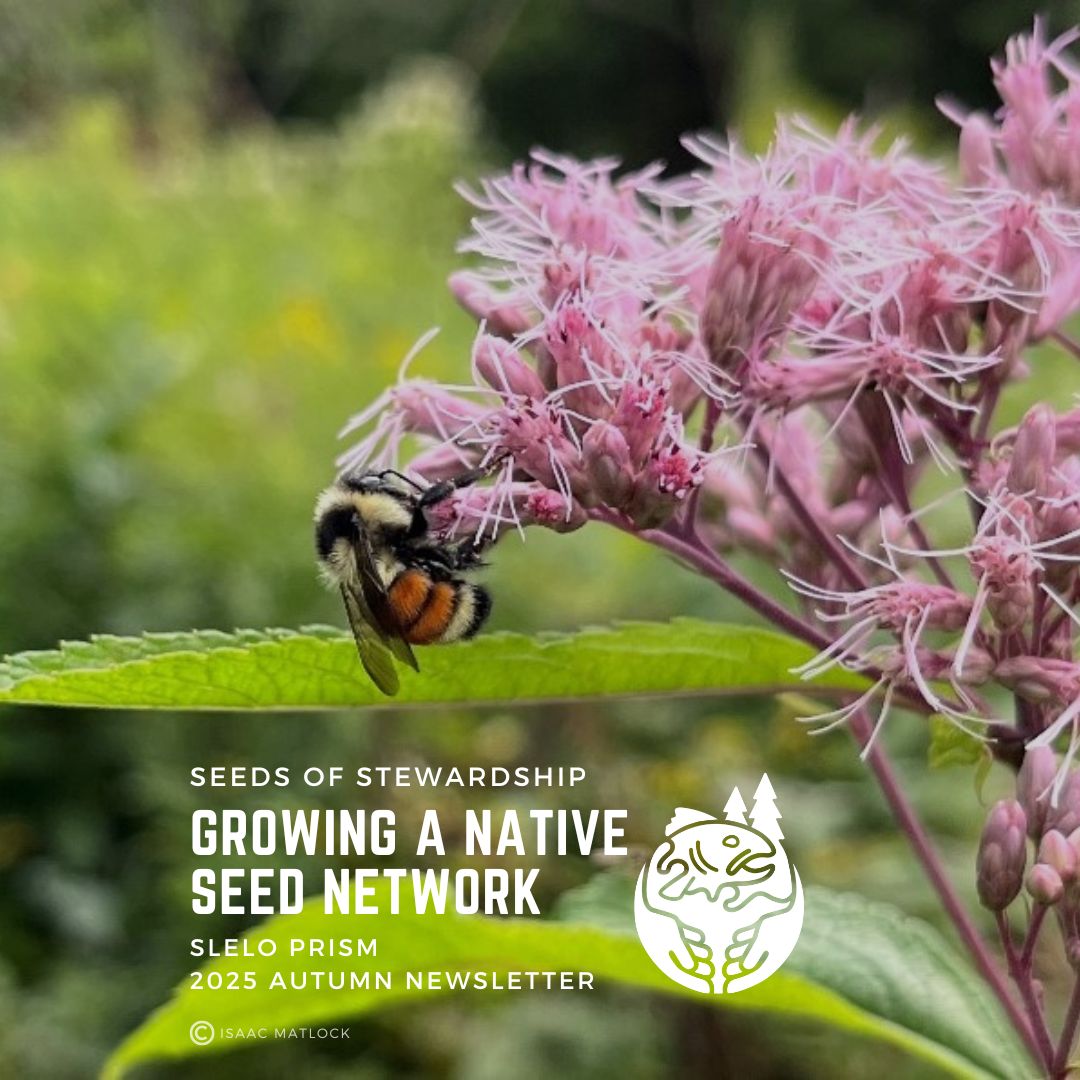
Seeds of Stewardship: Growing a Native Seed Network for Our Region
November 10, 2025
A new initiative, Seeds of Stewardship, is taking root across Jefferson, Lewis, and St. Lawrence counties. Led by Cornell Cooperative Extension of Jefferson County, the project aims to build a regional native seed network that supports eco-systems, restores habitats, and strengthens our connection to the land and water.
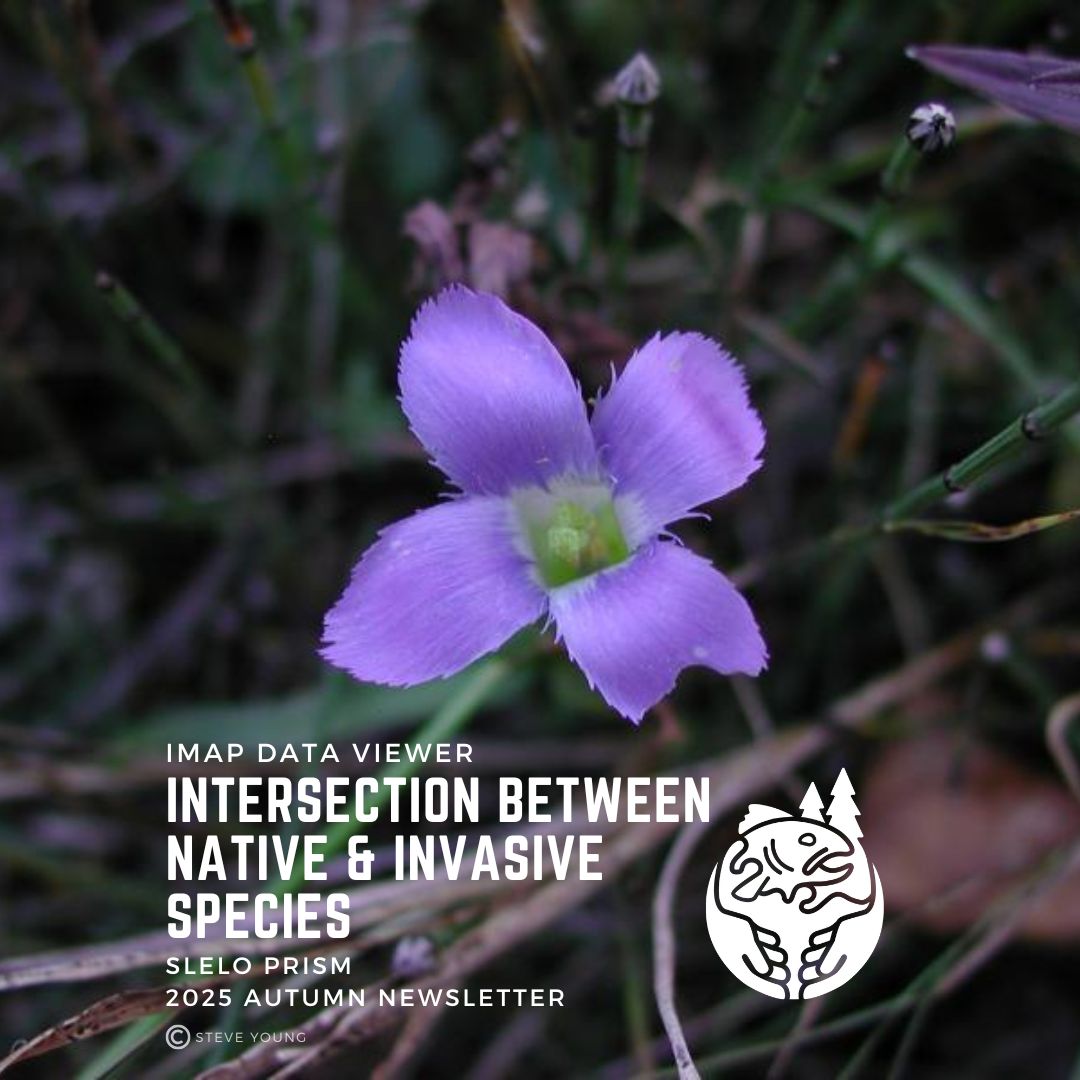
iMap Data Viewer: Intersection Between Native & Invasive Species
November 10, 2025
The New York Natural Heritage Program manages iMapInvasives, tracking invasive species and their impact on rare species. A shared map viewer helps PRISM staff target biodiversity protection efforts.
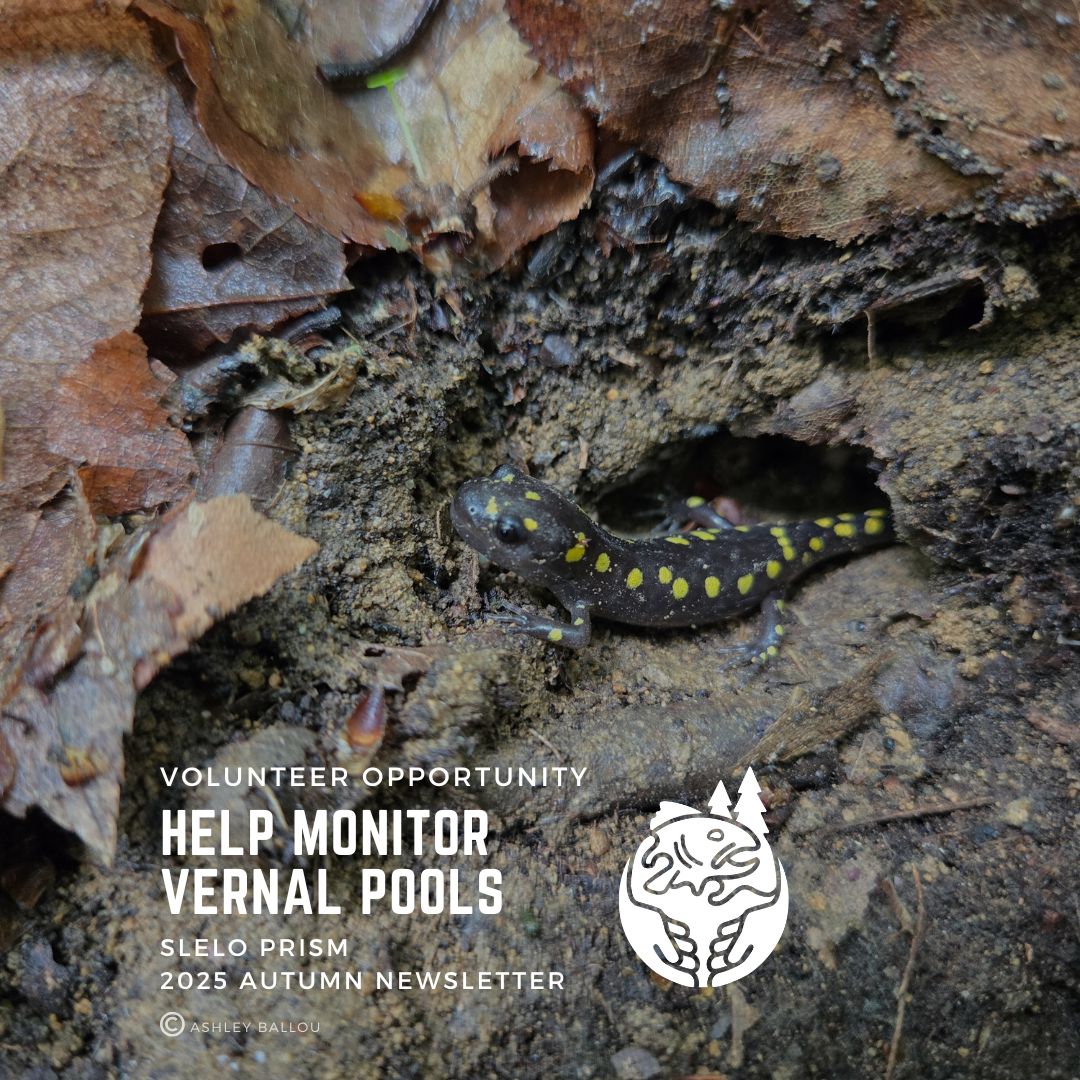
Volunteer Opportunity: Help Monitor Vernal Pools
November 10, 2025
The New York Natural Heritage Program is recruiting volunteers to enhance knowledge of vernal pools through a new community science program called NY POOLS. See how you can help!
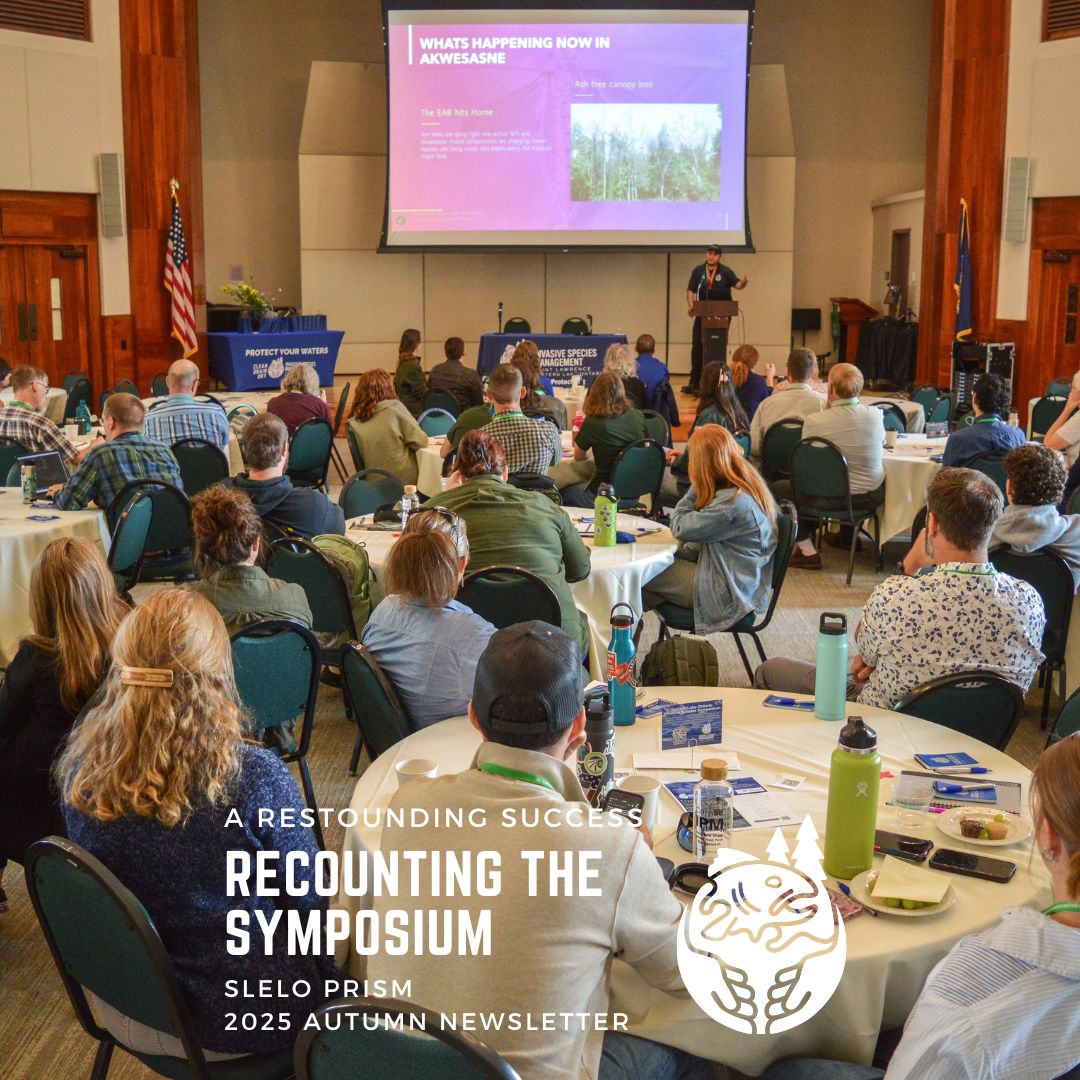
A Resounding Success: 2025 Eastern Lake Ontario Invasive Species Symposium
November 10, 2025
The energy was electric at SUNY Oswego’s Sheldon Hall Ballroom on June 12th, as over 100 passionate attendees gathered for the most successful Eastern Lake Ontario Invasive Species Symposium to date! With 20 dynamic presenters, 14 engaging exhibitors, and a keynote address from the renowned Robin Wall Kimmerer, the event was a vibrant celebration of collaboration, innovation, and ecological stewardship.