Tree health can be impacted by many factors, including invasive species. You can help by monitoring tree health in your community.

Community Protectors: Monitor Tree Health
January 26, 2022
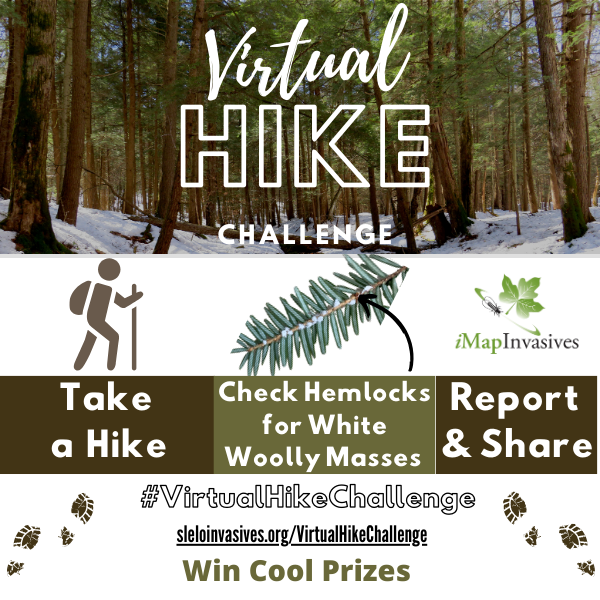
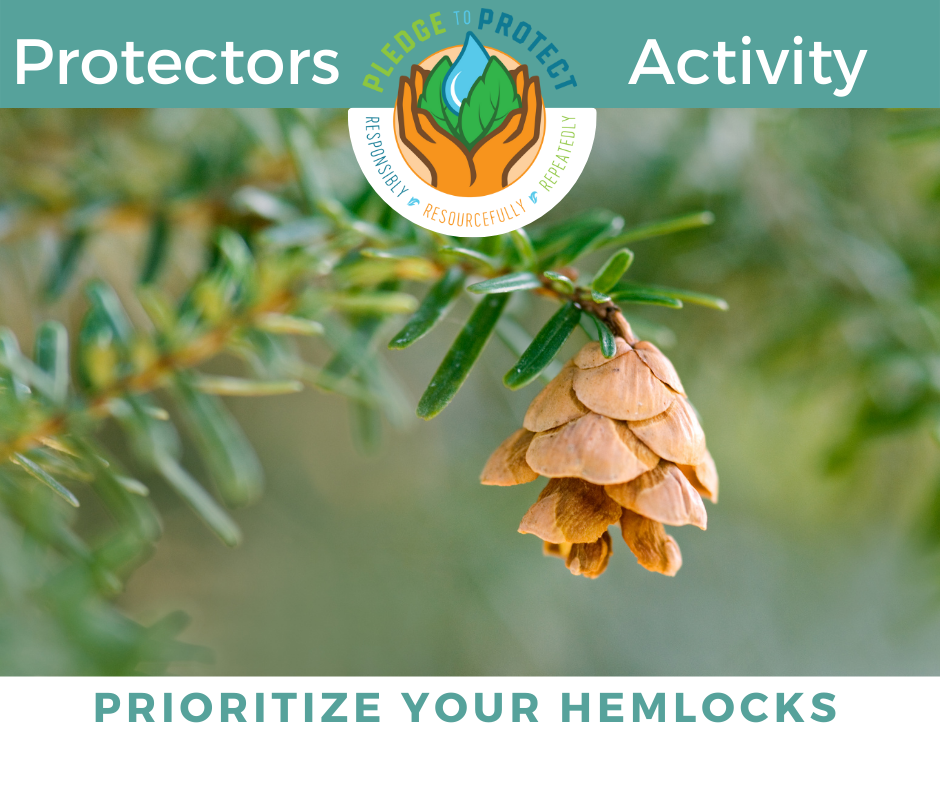
Forest Protectors: Prioritizing Hemlocks
January 19, 2022
With HWA spreading across New York state and along the east coast, having a hemlock conservation plan in place, before your hemlocks are infested with this invasive pest, will allow you to put your resources towards the protection of the hemlocks you value the most.
Garden Protectors: Plan to Plant
January 12, 2022
Winter is a great time to start planning for your garden. Learn what plants are native to your zipcode with a native plant finder tool, and view native plant lists to help get you started. Choosing to grow native plants helps to stop the spread of invasive plants and supports pollinators!
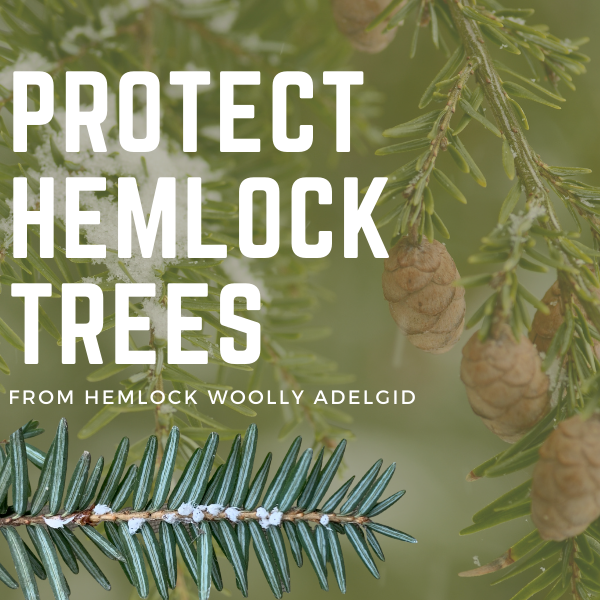
Land & Trail Protectors: Protect Hemlocks
January 5, 2022
Hemlock woolly adelgid (HWA) is an invasive pest that threatens the health of our forests by killing hemlock trees. Learn how you can help protect hemlock trees from HWA.
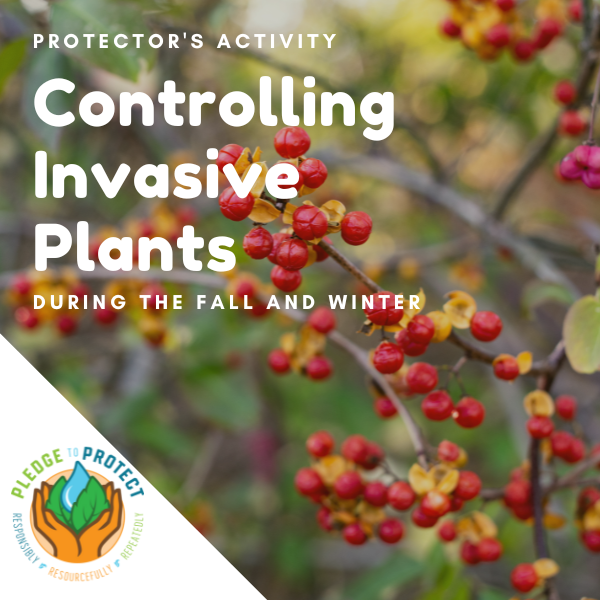
Controlling Invasive Woody Plants
October 8, 2021
Fall and winter are ideal seasons to control invasive shrubs. During these seasons, plants switch from drawing nutrients to their leaves and start drawing nutrients to their roots as part […]
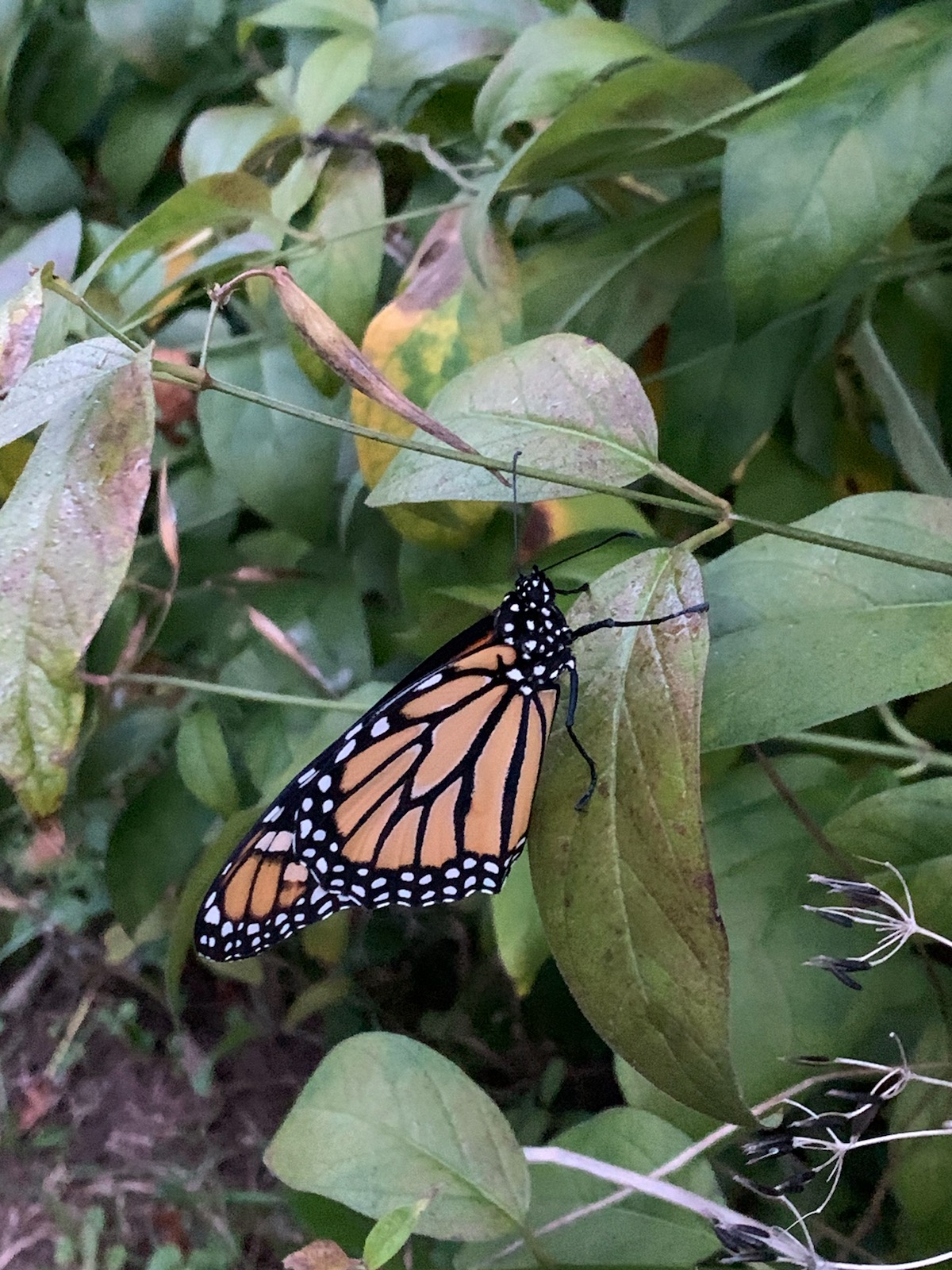
Protect Monarch Butterflies
September 1, 2021
About Monarch Butterflies In September and October, monarch butterflies will be laying their eggs on native milkweed using a combination of chemical and visual cues that have evolved over time. […]
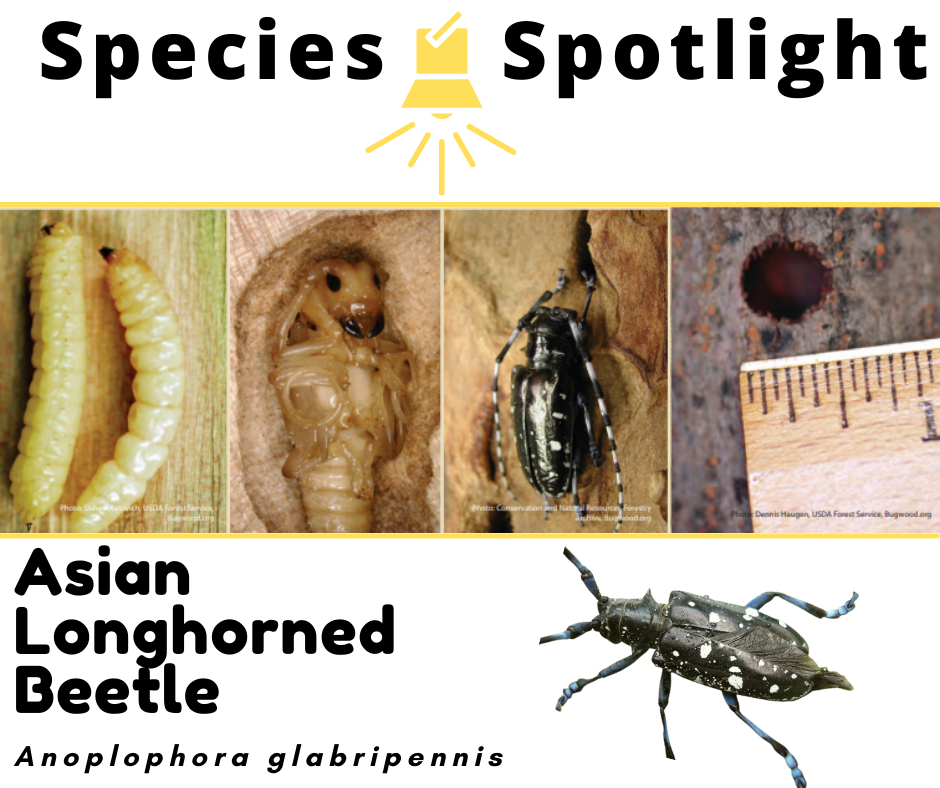
Species Spotlight: Asian Longhorned Beetle
August 13, 2021
Description The long-horned beetle, ALB (Anoplophora glabripennis), is a wood-boring invasive insect native to China and Korea. It was first seen in the US in the mid-1990s, possibly introduced on […]

Billboards in SLELO!
To showcase our Pledge to Protect outreach initiative we’ve placed billboards throughout the SLELO region.
Protector’s Activity: Native Alternatives to Common Invasive Garden Plants
May 9, 2021
Many invasive plants were once considered desirable ornamentals that were intentionally introduced to our gardens and landscapes only to escape into our natural environments. Learn of native alternatives to common invasive garden plants.