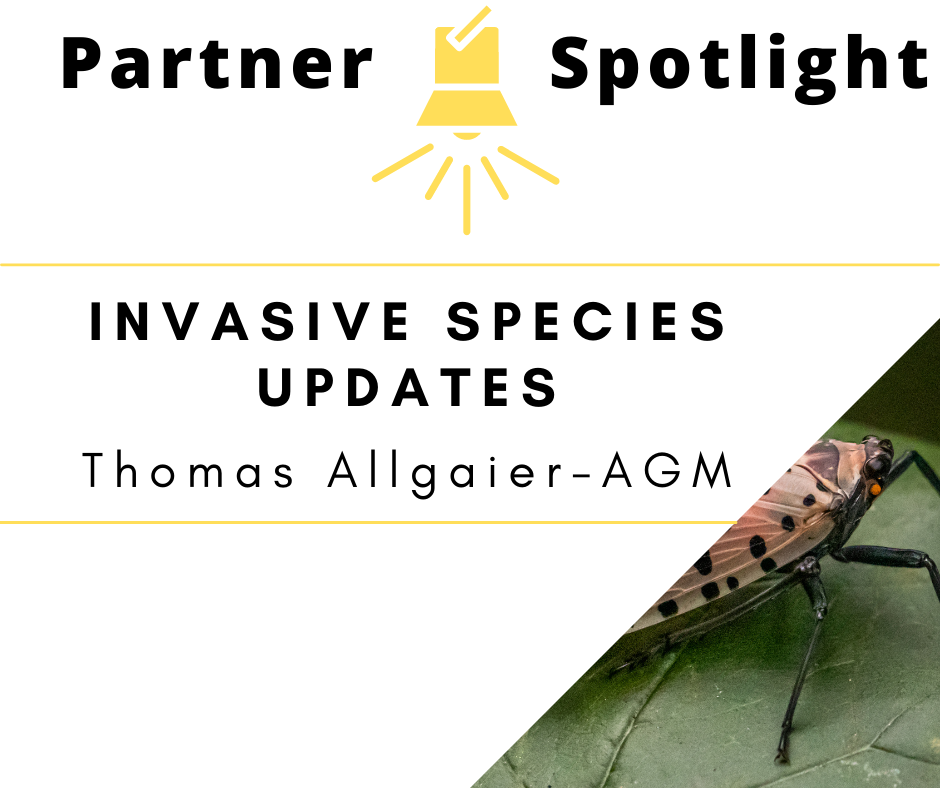
Get the latest updates on invasvie species distribution in the state from the NYS Department of Agriculture and Markets.
Invasive Species Distribution Updates
October 26, 2021
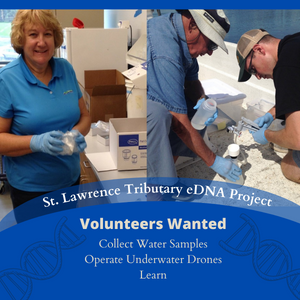
Volunteerism at the Molecular Level
October 26, 2021
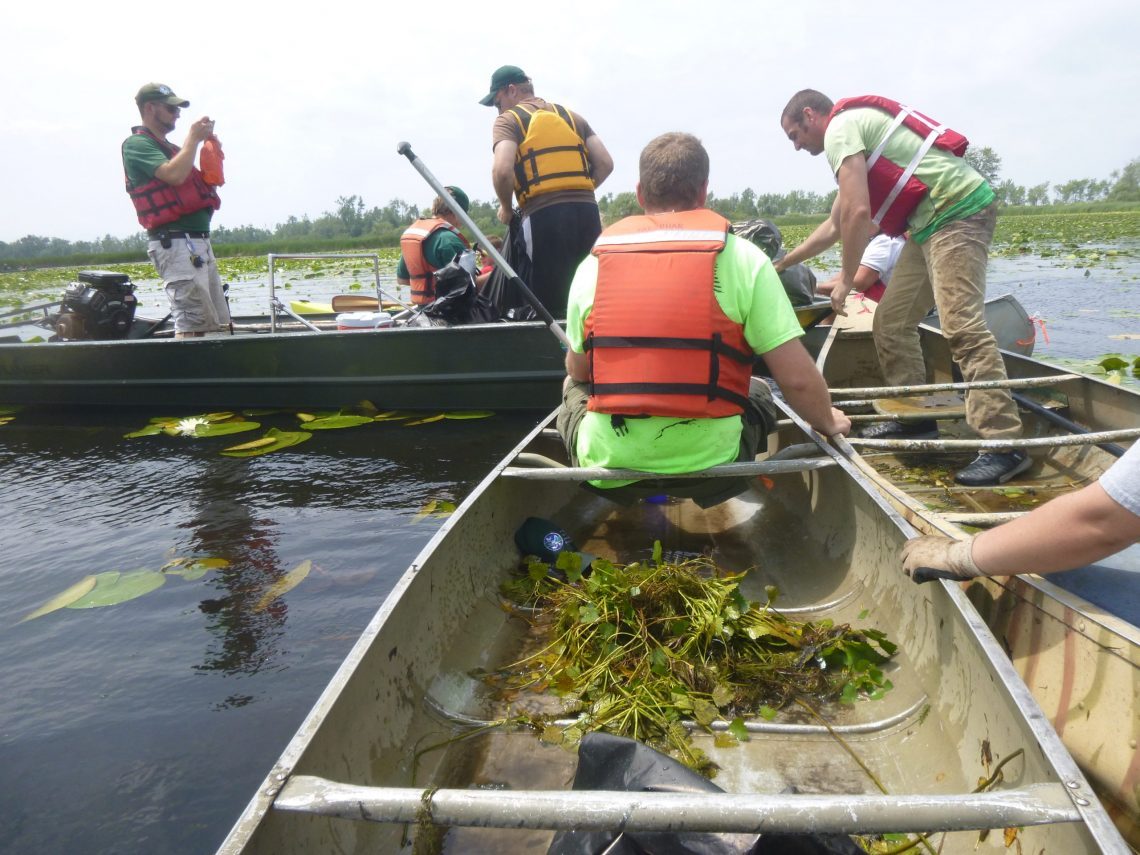
Learn about how water samples can help detect the presence of aquatic invasive and native species and get involved.
Species Spotlight: Beech Leaf Disease
July 26, 2021
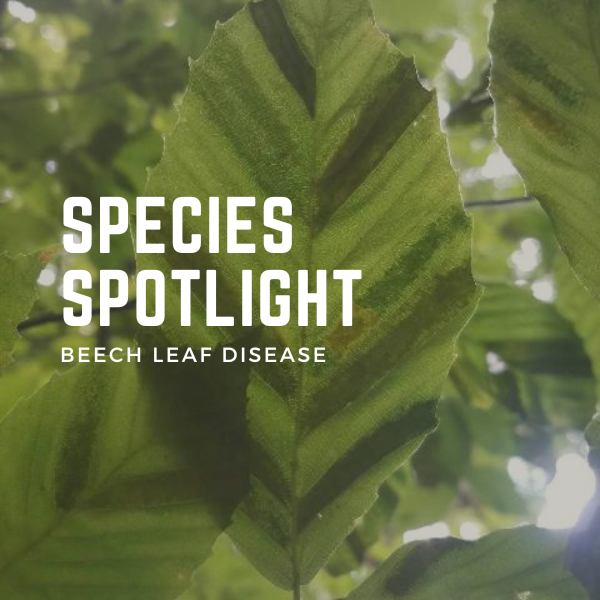
Beech leaf disease (BLD) is the newest threat to beech trees and is spreading rapidly. In New York, BLD has been found in 14 new counties this year, for a total of 35 infected counties. It was recently found in Oswego county in the SLELO region, and nearby on the southwestern edge of the Adirondacks.
Nature Knows no Boundaries
May 5, 2021
Humankind is a fan of creating boundaries, we like to think of things in terms of here or over there, ours or theirs, but nature knows no boundaries. The work we do to prevent the spread of an invasive forest pest or aquatic plant expands beyond our regional counties and other manmade borders, these efforts impact large-scale connected land and water scapes.
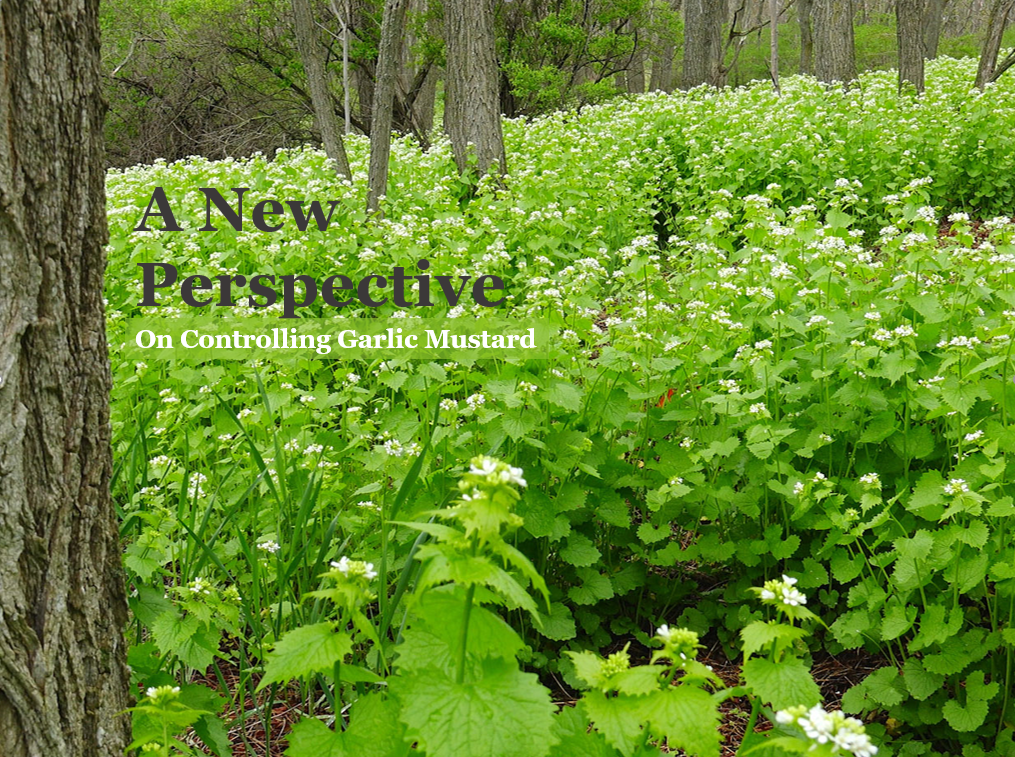
When Doing Nothing is Better?
May 5, 2021
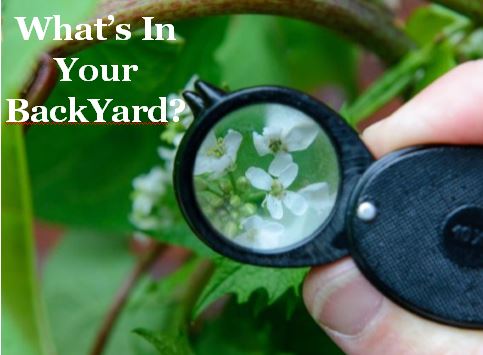
Garlic mustard is one of the most common invasive plants found in backyards, along roadsides and within our natural areas and forests. There is a new perspective regarding the control of this common invader and it isn’t what you may think.
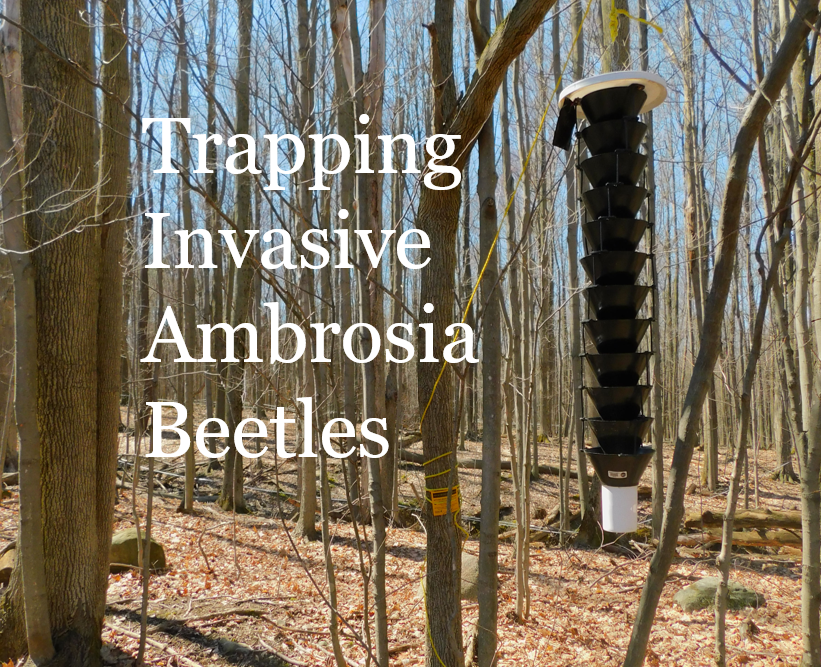
Trapping Invasive Beetles
May 5, 2021
The St. Lawrence Seaway is a high risk area for the introduction of Ambrosia beetles. These invasive beetles can attack freshly cut lumber and lumber in decks before it is dried, and they cause pinhole defects and dark staining in the outer wood. Galleries formed in the sapwood or heartwood also cause damage. SLELO is monitoring traps in the region to aid an early detection effort lead by the NYSDEC.
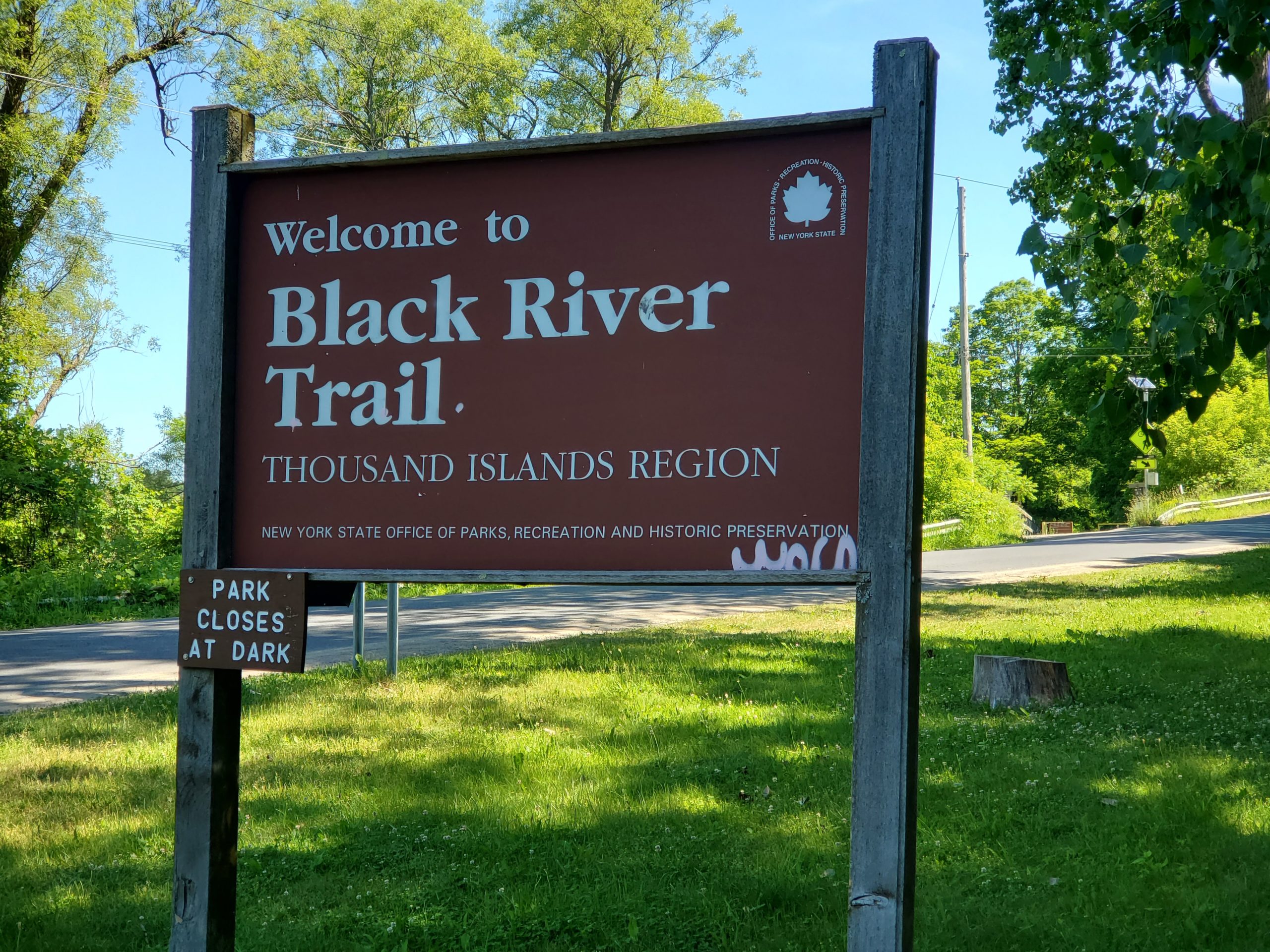
Prioritizing Restoration on the Black River Trail
May 4, 2021
85 Riparian Acres have been prioritized for restoration on the Black River Trail.
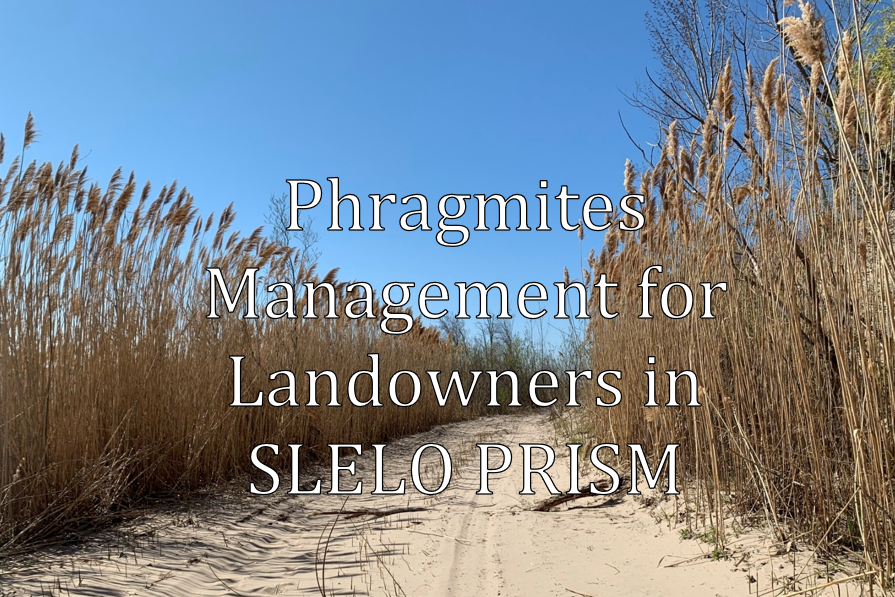
Phragmites Management for Landowners in the SLELO Region
May 4, 2021
As a landowner, it is important to preserve native biodiversity and protect your assets from the negative impacts of invasive species. Common reed or Phragmites australis, is one of the most common invasive plants in the SLELO region. Landowners who have this plant on their property can help control the spread of this plant through a variety of feasible control techniques.
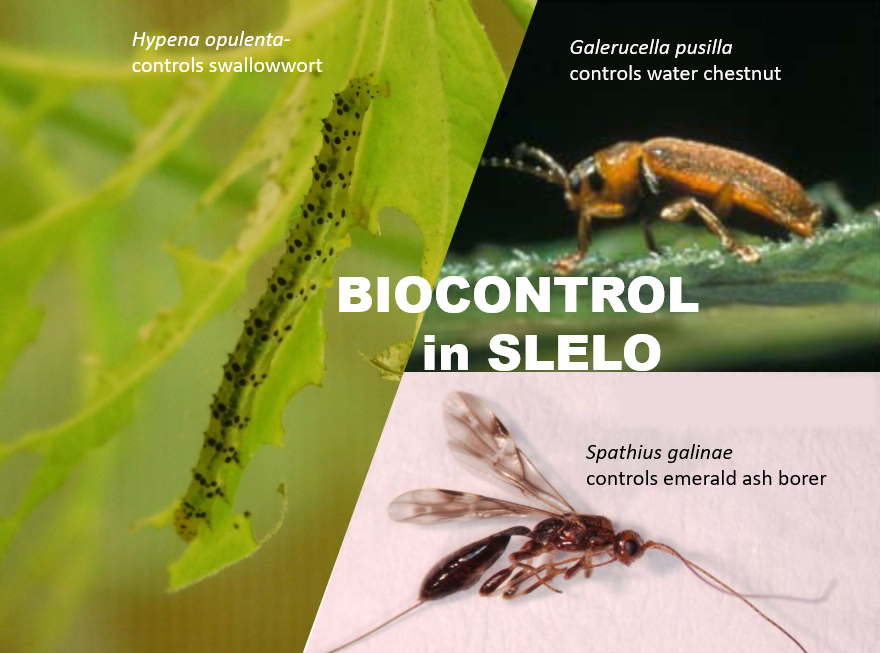
Biocontrol Use in SLELO
March 10, 2021
The main benefit of using biocontrol is that they conduct the management for you, keeping invasive species populations in check and reducing the need for human intervention.
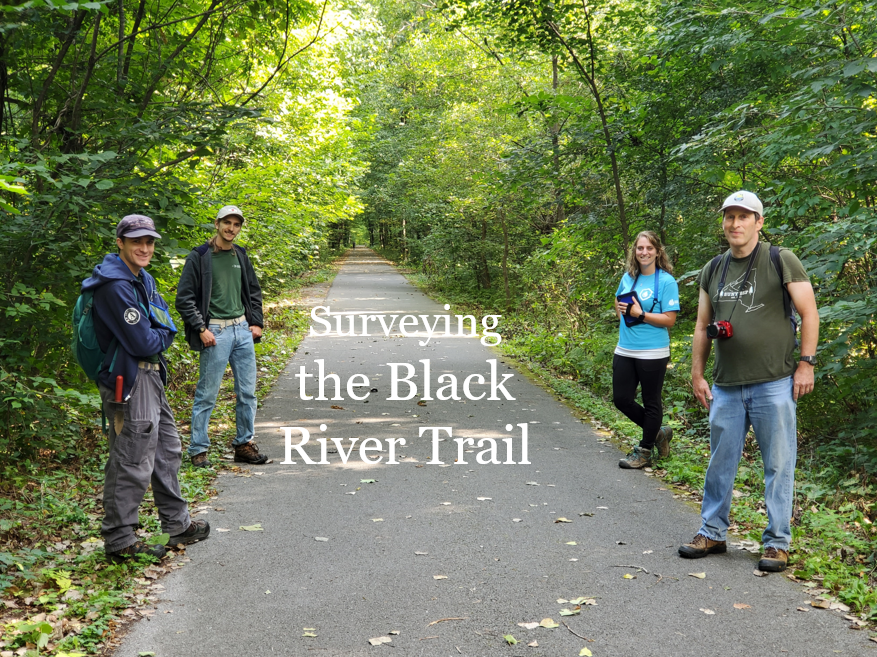
Black River Trail Feasibility Study
March 8, 2021
Over the summer Brittney and Robert (our Early Detection Team), and partners with Parks, conducted a survey to determine the feasibility of invasive species removal/control and restoration work.