This Protector’s Activity was contributed by Laurel Downs, the Forest Health Conservation Coordinator with The Nature Conservancy.
What's The Issue?
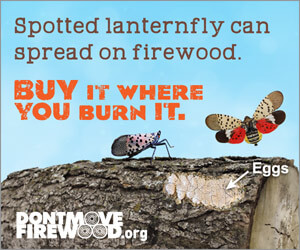
Did you know that transporting firewood can unknowingly spread invasive forest pests and diseases to new areas? Invasive species like the emerald ash borer(Agrilus planipennis), invasive longhorned beetle (Anoplophora glabripennis), and spotted lanternfly(Lycorma delicatula) can hide within firewood for months, even surviving harsh winters. When firewood is moved from one location to another, these species often emerge and cause devastating damage to forests.
Due to the prevalence of hitchhiker pests, many states and parks have rules to encourage the use of local and/or certified, heat-treated firewood. For example, here in New York it is against the law to move untreated firewood more than 50 miles from where it originated. To be considered “treated” in New York, a government certified facility must subject the firewood to a heat-treatment process that is hot enough – and for long enough – to kill any pests in the wood (in New York this standard is 71° C (160° F) for 75 minutes). The state prohibits the entry of firewood that does not meet this standard! (View Firewood Regulations).
What Can You Do to Help?
Your firewood choices matter and you can help slow the spread of tree-killing pests and diseases by following some best practices, no matter where you are!
Buy or source firewood from where you’ll burn it.
Buy certified, heat-treated firewood (it’s the ONLY safe firewood to travel with).
Responsibly gather firewood on-site when permitted.
By sourcing your firewood locally, and keeping it local, you dramatically reduce the risk of accidentally transporting invasive species that could go on to decimate tree populations in new areas.
What to Look For
It’s nearly impossible to tell if firewood contains harmful insects. If you need to travel with firewood, make sure to purchase certified, heat-treated firewood (in New York, look for the label “New York Approved Heat-treated Firewood/Pest Free” with the producer’s name and address), or keep the firewood as close as possible to its original source.
Follow the rules to protect our trees! Any firewood you transport in New York should include documentation of its source, origin, or heat treatment. Even if you’re traveling with firewood cut for personal use, carry aSelf-Issued Certificate of Origin – this can save you from losing your firewood or facing a hefty fine!
Use these tools to learn more about firewood regulations and where to source local firewood.
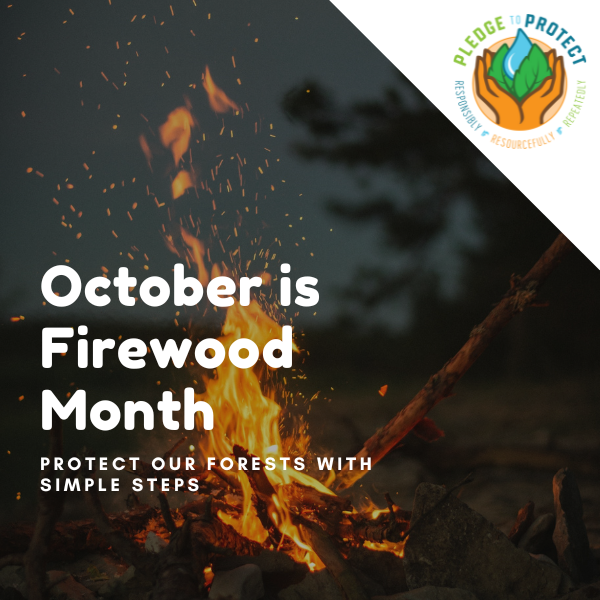
Help spread the word! October is one of the best times to enjoy the outdoors in New York and a popular season for camping. It’s also the perfect time to remind friends and family about the risks to forest health caused by moving firewood.
Use the premade graphicsand captions below to encourage others to buy firewood near their destination. Many parks sell firewood at the campground store or can direct you to nearby vendors. This helps protect trees—and saves space in your trunk! (Get more graphics and sources in the Don’t Move Firewood Resource Library)
Be a happy camper and source local firewood to prevent the spread of invasive tree pests. #dontmovefirewood @sleloprisminvasives
Protect the places you love and source local firewood. #dontmovefirewood @sleloprisminvasives
Quick tips for #firewoodmonth 1) Buy or source firewood locally; 2) Buy certified heat treated firewood; 3) Responsibly gather firewood on-site when permitted. #dontmovefirewood @sleloprisminvasives.
Stop the spread of invasive pests by burning local firewood. #dontmovefirewood @sleloprisminvasives
Burn local firewood to prevent the spread of the spotted lanternfly and other invasive pests. #StopSpottedLanternfly @SLELOPRISM
When you think about sustainable #forestproducts, think local #firewood! Buy it where you’ll burn it. #dontmovefirewood @sleloprisminvasives
#Firewood is an important #forest product for many rural communities. Buy local or harvest with a permit. #dontmovefirewood @sleloprisminvasives
#Trees cut for firewood often died due to insects or disease. Protect your favorite places – don’t bring #dontmovefirewood @sleloprisminvasives
Want to protect #wildlife? Don’t move #firewood. It can spread invasive pests hidden inside. #dontmovefirewood @sleloprisminvasives
Moving firewood long distances can spread forest pests. Your firewood choices matter. Don’t move firewood – instead, buy firewood where you’ll burn it, buy certified, heat-treated firewood, or responsibly gather on site when permitted. You can protect the places you love by preventing the spread of forest pests that hide in firewood! #dontmovefirewood @sleloprisminvasives
Transporting #firewood can spread pests. Buy local or certified heat-treated firewood, or responsibly gather it on site! #dontmovefirewood @sleloprisminvasives
Support the #forestproducts industry and prevent the spread of invasive species, all at once! Buy certified, heat-treated #firewood. #FirewoodMonth #dontmovefirewood @sleloprisminvasives
Did you enjoy this blog post? Take our Pledge to Protect and get monthly emails showcasing actions you can take to protect your favorite hiking trails, paddleways, forests, garden, and community from the impacts of invasive species!
Take the Pledge to Protect
The Pledge-to-Protect is a fun, positive, inviting, engaging and rewarding way to participate in invasive species prevention and management.
Here’s How It Works:
Fill out the pledge form below and select the outdoor areas you spend the most time in.
Check your inbox for your confirmation email.
Explore the resources in the virtual toolkits or download the PDFs.
Earn a virtual badge for each pledge you take.
Every month, you’ll receive a special Pledge-to-Protect email about a prevention/management activity to help you fulfill your pledge OR a highlight of an invasive species to keep an eye out for.