ST. LAWRENCE EASTERN LAKE ONTARIO PARTNERSHIP FOR REGIONAL INVASIVE SPECIES MANAGEMENT
Since 2020, our ecological restoration efforts have focused on revitalizing priority conservation areas—natural spaces with exceptional ecological value. By removing invasive species and reintroducing native vegetation, we aim to restore the structure, function, and biodiversity of these ecosystems so they can thrive independently. This work is made possible through the dedication of volunteers, independent contractors, and collaborative partners, whose support we deeply appreciate.
Explore below to learn more about how we’re working to enhance the biodiversity and resiliency of natural systems in our region.
2024 & 2025 Restoration Efforts:
Over two vibrant autumn seasons, our restoration efforts brought over 2,200 native plants back to life across some of our most treasured natural areas. In 2024, Black Pond WMA, Deer Creek WMA, and El Dorado Preserve welcomed 1,086 new native plants. The following year, we expanded our reach—adding Selkirk Fen Preserve to the mix—and planted another 1,200 native plants. These milestones were made possible thanks to the incredible support of our partners and the tireless dedication of volunteers who continue to help us restore biodiversity, one plant at a time!


2023 Restoration Efforts
The restoration of South Sandy Creek at Lakeview WMA unfolded in three transformative phases: initial site assessment, invasive species management and monitoring, and full-scale restoration in 2023. The project targeted aggressive monocultures of knotweed, phragmites, and goutweed that had overtaken the riparian zones, with the goal of restoring native biodiversity and boosting the ecosystem’s resilience to climate change and other stressors.
Beginning June 23rd, 2023, a team of 45 contributors—including volunteers who made up 25% of the effort—logged over 650 person-hours to revitalize nearly 30 acres of habitat. In just five days, they planted 6,272 native species, enduring hot, rainy weather to breathe life back into the creek’s banks.
Since then, nearly 4 acres of invasive growth have been treated, clearing the way for native plants that support pollinators like monarch butterflies and provide food and shelter for wildlife. Species like oaks, willows, sedges, and bur reeds were chosen for their ecological value. These plantings are expected to sequester over 400,000 pounds of CO₂ over the next 30 years, even with a projected 50% mortality rate. They also help stabilize streambanks, reduce runoff, and improve water quality—while offering paddlers a more scenic experience. Continued management will focus on suppressing remaining invasives and monitoring long-term ecosystem recovery.


Phase III of the Aquatic Restoration Initiative is now complete. This year, 3.2 acres of riparian invasive species, knotweed (Reynoutria japonica) and common reed, were treated at South Sandy Creek. Following treatment, many dead stands were mechanically cut and/or removed from the site. This was followed the second phase of restoration, where 18 native species, including spotted Joe Pye weed, green-headed coneflower, common sneezeweed, and a series of grass and rush species were spread across the treatment areas. The final report and presentation on results can be found below. Any partners interested in this work can contact Brittney Rogers for more information.
Phase II of the Dunes Restoration Initiative is now complete. This year, 2 acres of common reed (Phragmites australis), were treated at North Sandy Pond. Prior to treatment, dead standing biomass was mechanically cut and removed from the site. This was followed by a native species inventory where 107 plant species were identified. Approximately 1,500 individual plants, of 20 native species were planted around the project site to improve stability of the dunes ecosystem. The final report on results can be found below. Any partners interested in this work can contact Brittney Rogers for more information.


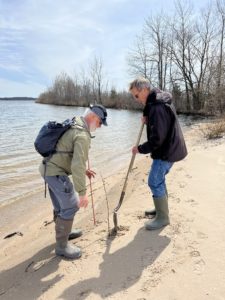

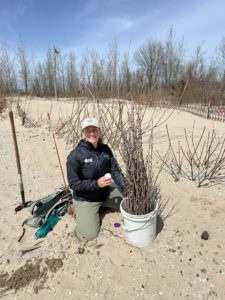
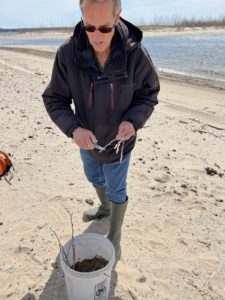


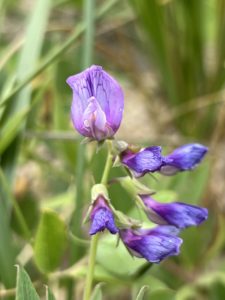

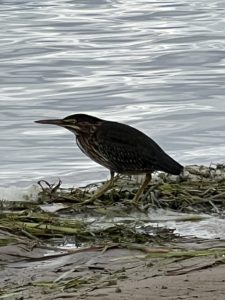


Phase II of the Aquatic Restoration Initiative is now complete. This year, 3.2 acres of riparian invasive species, knotweed (Reynoutria japonica) and common reed, were treated at South Sandy Creek and Sandy Creek. Following treatment, many dead stands were mechanically cut and/or removed from the site. This was followed the first phase of restoration, where 11 native species, including spotted Joe Pye weed, green-headed coneflower, common sneezeweed, and a series of grass and rush species were spread across the treatment areas. The final report and presentation on results can be found below. Any partners interested in this work can contact Brittney Rogers for more information.


The first phase of this initiative began our “Aquatic and Riparian Invasive Species Inventory and Habitat Assessment.” The assessment focused on three select tributaries that may be impacted by aquatic and riparian invasive species. The study was completed to also gain a better understanding of the presence of species such as; non-native crayfish, gobies, and mussels; macrophytes such as fanwort, water hyacinth, and hydrilla; and near shore plant species, like knotweed (Reynoutria japonica)knotweed, common reed, and oriental bittersweet. The results of the assessment identified the most deserving areas in need of eradication, suppression, restoration, or management of invasive species and the need for restoration, and serves as the foundation for this project.
To scale-up this initiative, this work will focus on building partnerships with organizations within NYS and the Great Lakes Region, and information will be disseminated to any interested parties through outreach and educational resources. Any partners interested in this work can contact Brittney Rogers for more information.


Program Director Brittney Rogers brittney.rogers@tnc.org
Education, Outreach, & Communications Coordinator Megan Pistolese-Shaw megan.pistolese@tnc.org
Terrestrial Restoration and Resiliency Coordinator Robert Smith robert.l.smith@tnc.org
Aquatic Restoration & Resiliency Coordinator
Adrien Owens Adrien.Owens@tnc.org
Conservation & GIS Analyst Carolyn Koestner carolyn.koestner@tnc.org
During this time the best way to contact our team is via email.

